


 37
37Incheon Landing Operation! Touch Down in Incheon, Your First City in Korea


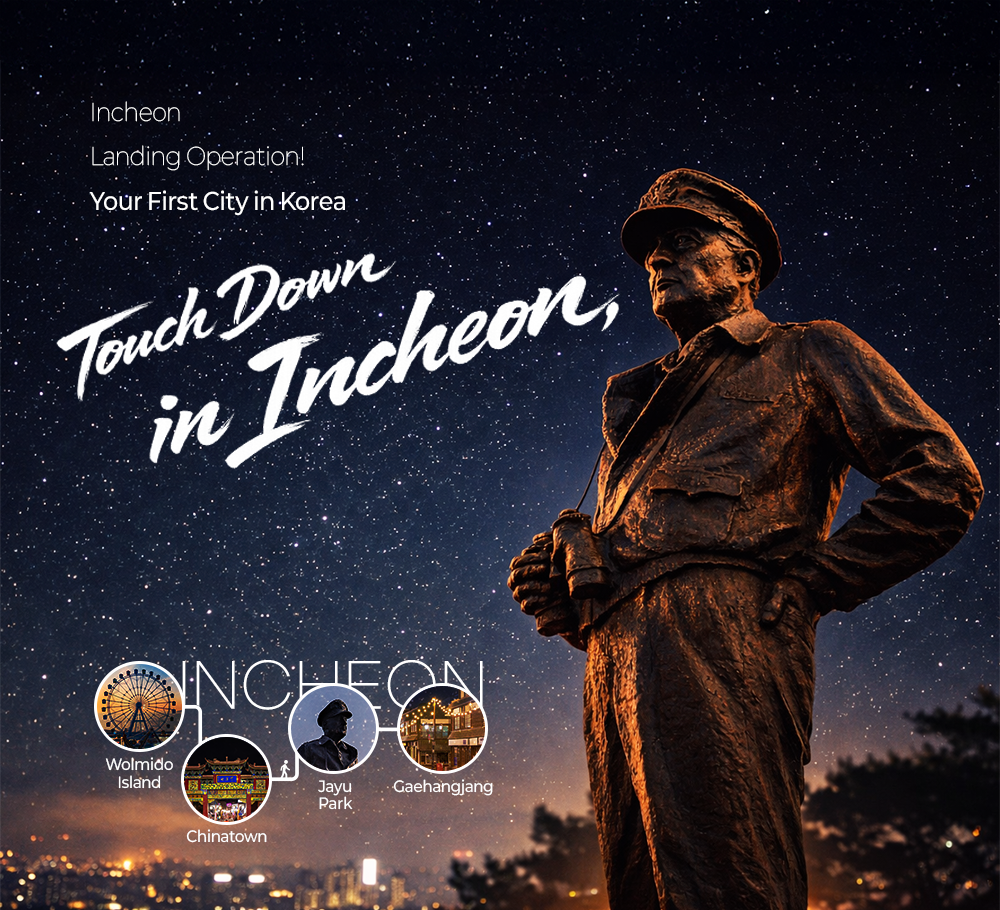
Some first meet this city by plane. Others, by train.
But Incheon began not with an airport or a station—it began at the sea.
A port city always opens to the sea first.
Only then do its alleys, streets, and everyday life take shape.
This journey follows that very flow.
Let’s begin our first journey of 2026—landing in Incheon.
✔️ Estimated Time: About 4–5 hours
✔️ Getting Around: Mostly on foot, with a short bus ride
✔️ Recommended For: First-time visitors to Incheon / Traveling with international guests / History-themed trips
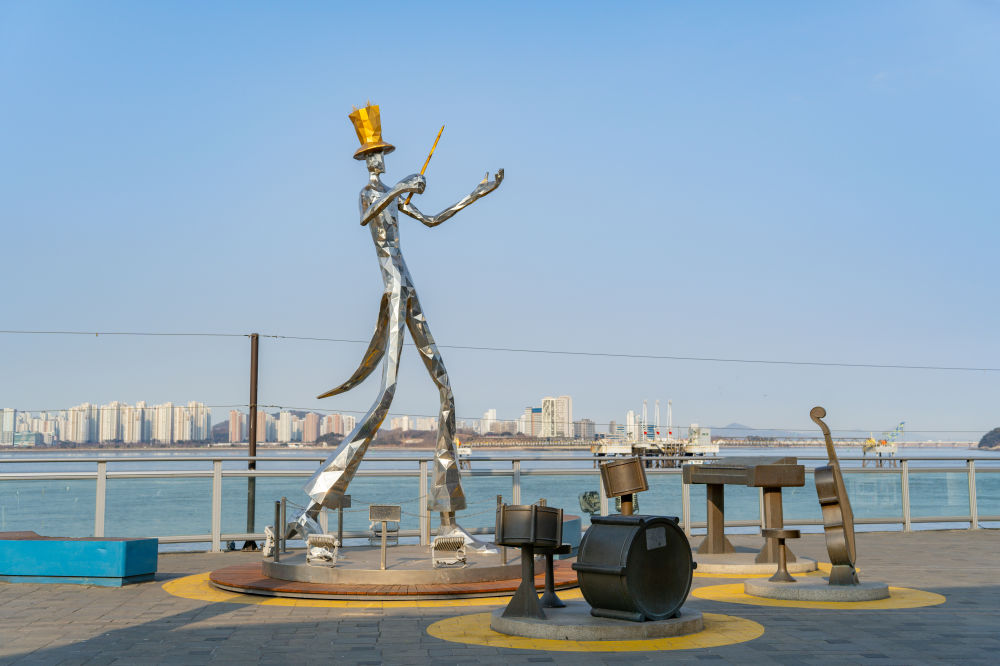
SPOT1 Wolmido Island
The Sea Where the Incheon Landing Operation Began
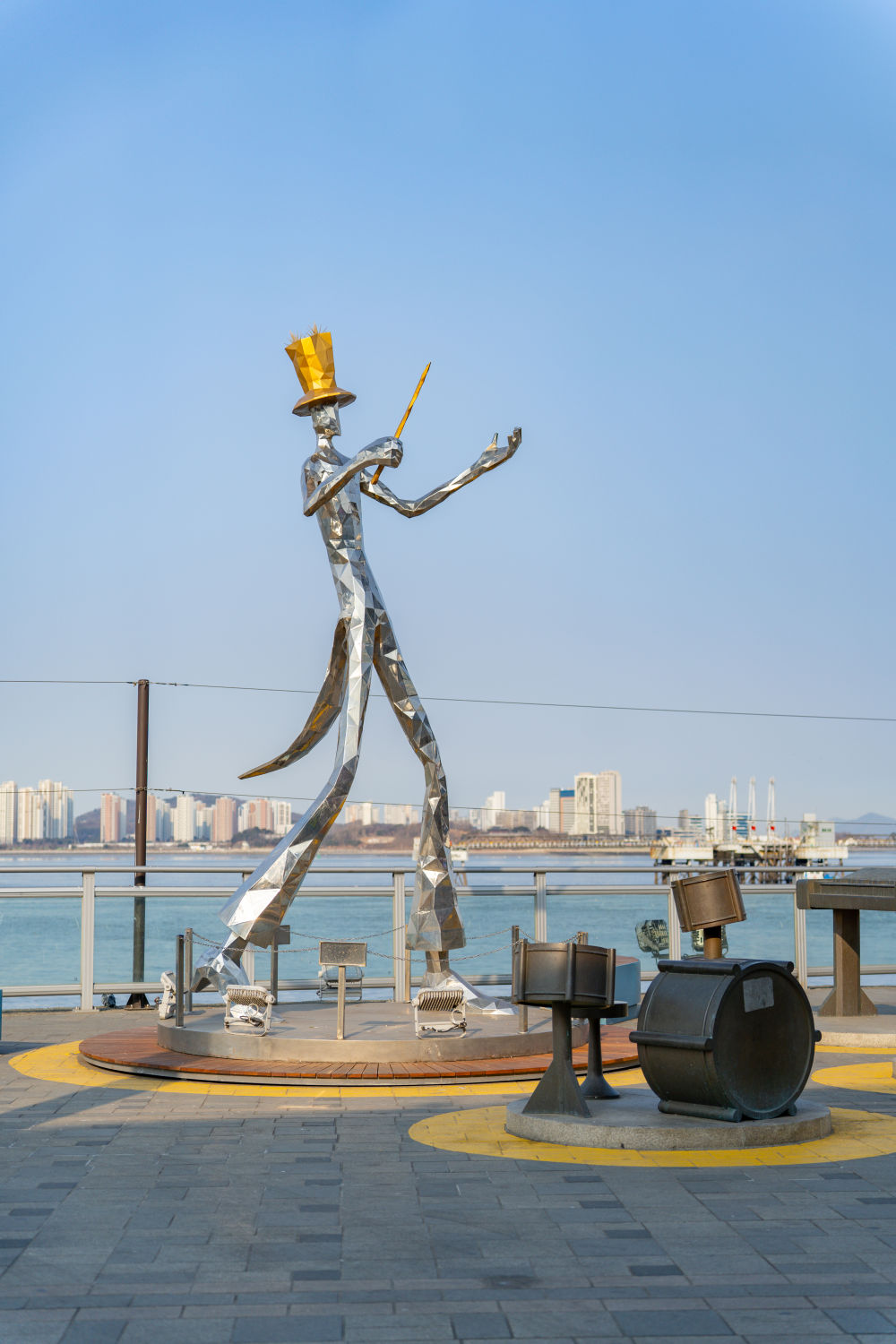
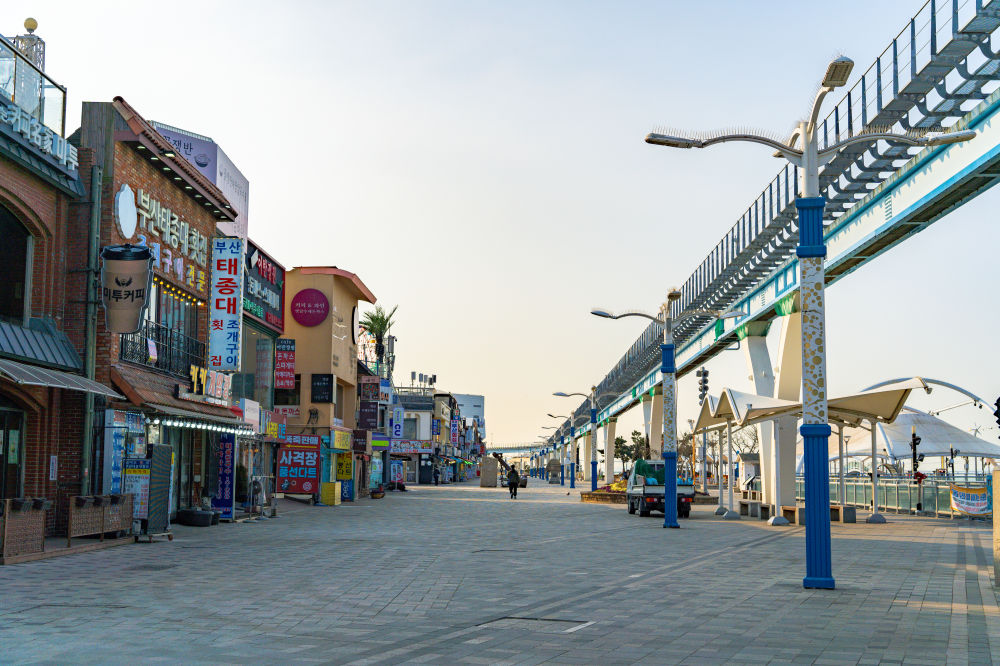
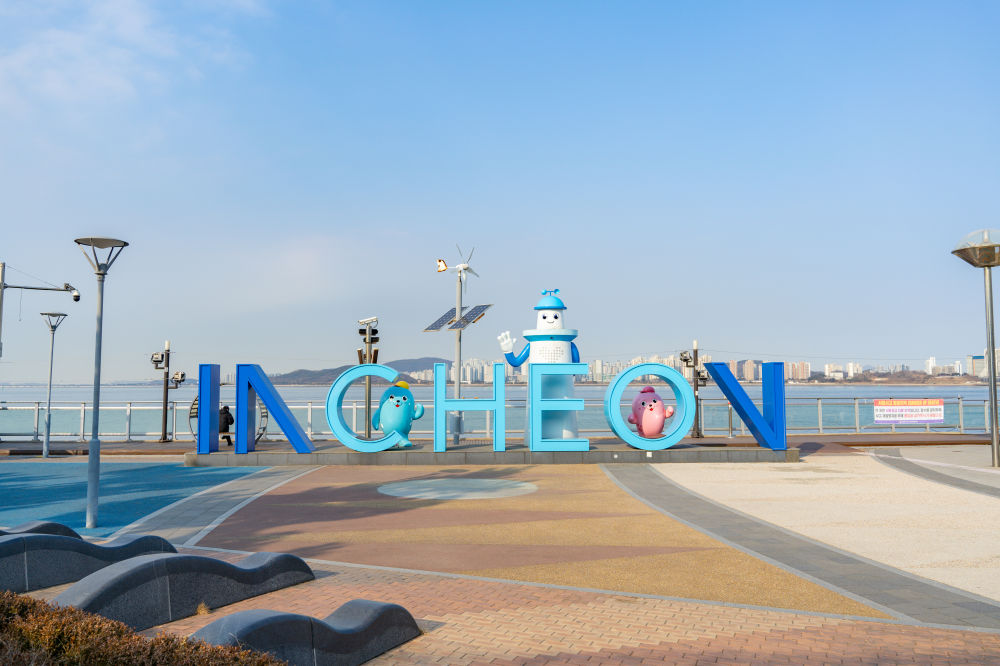
Today, Wolmido Island is a calm, welcoming place filled with laughter.
But in September 1950, the Incheon Landing Operation began just off this shore.
✈️ For an Incheon tour, start not toward the ferry terminal,
but along the Wolmido Island breakwater instead.
This stretch, facing the open sea, best captures the sense of a “landing.”
- Address36-1, Wolmimunhwa-ro, Jung-gu, Incheon
- Operating HoursOpen year-round
- Inquiries+82-32-764-0842
- Photo SpotThe midpoint of the promenade, where the sea and Incheon’s city mascot come into view together
- Getting ThereFrom Incheon Station → Wolmido Island (bus, approx. 10–15 minutes)
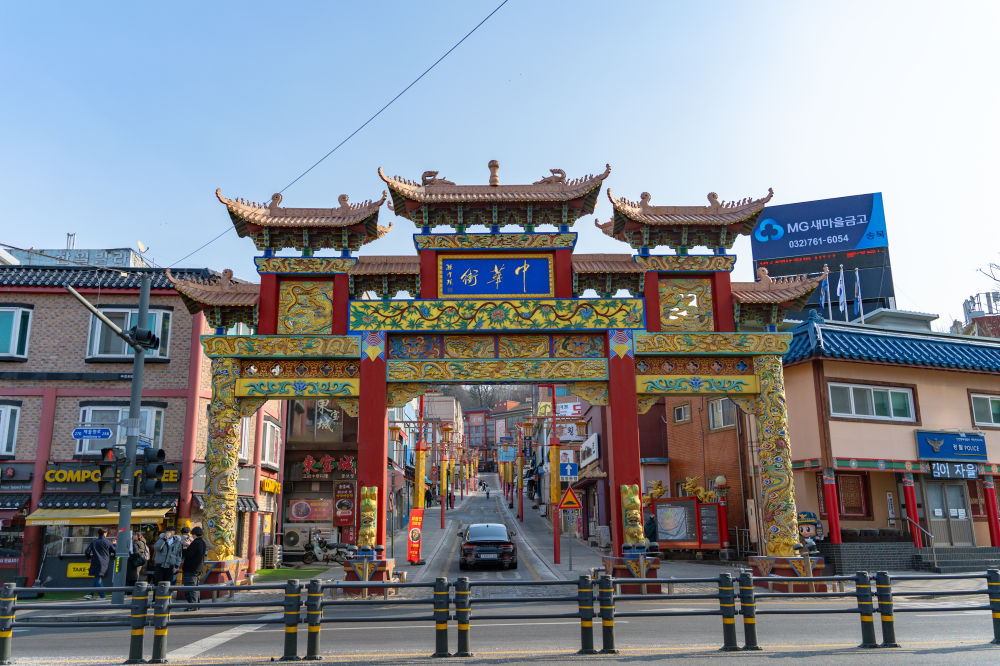
SPOT2 Chinatown
Where People Gathered After the Landing
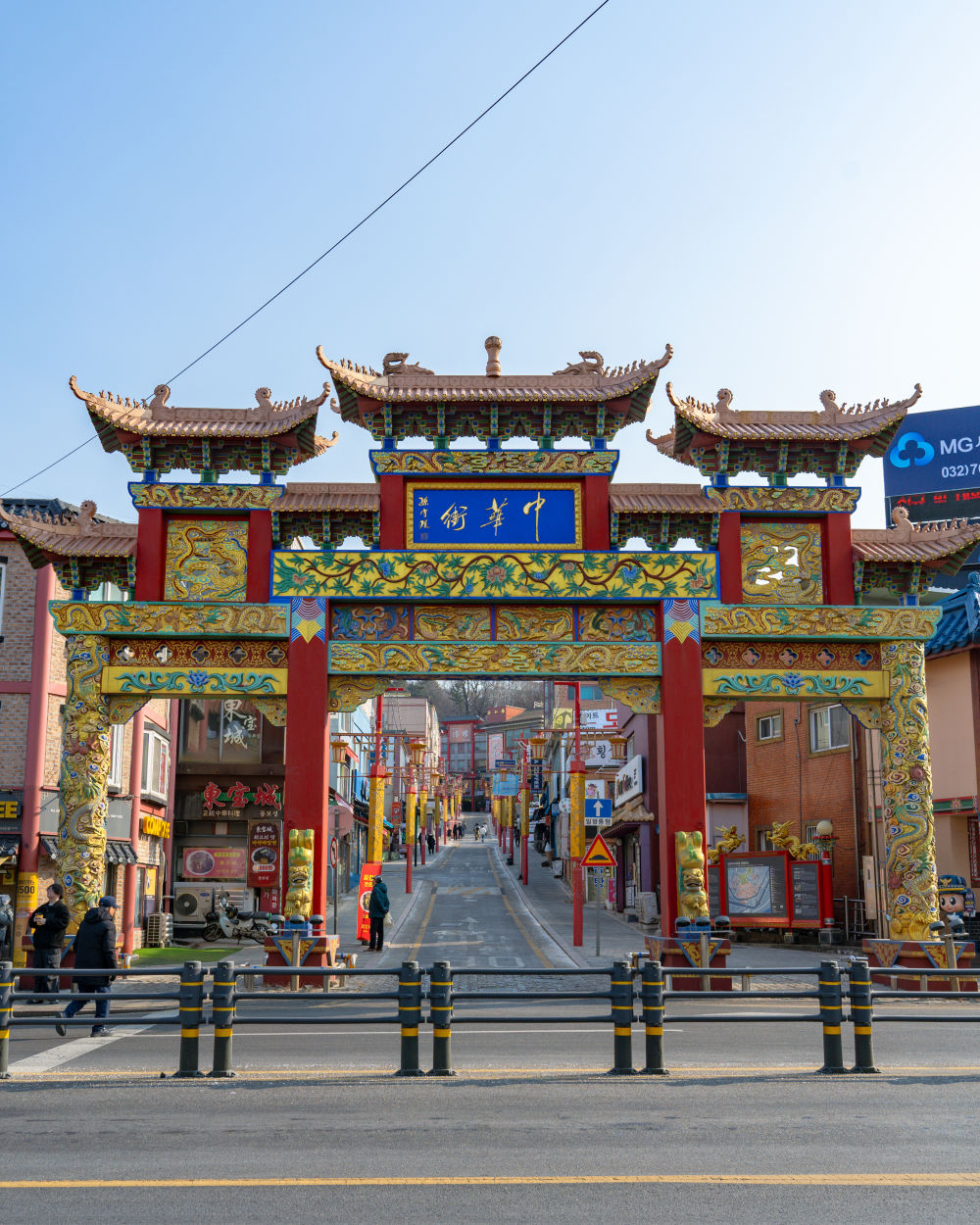
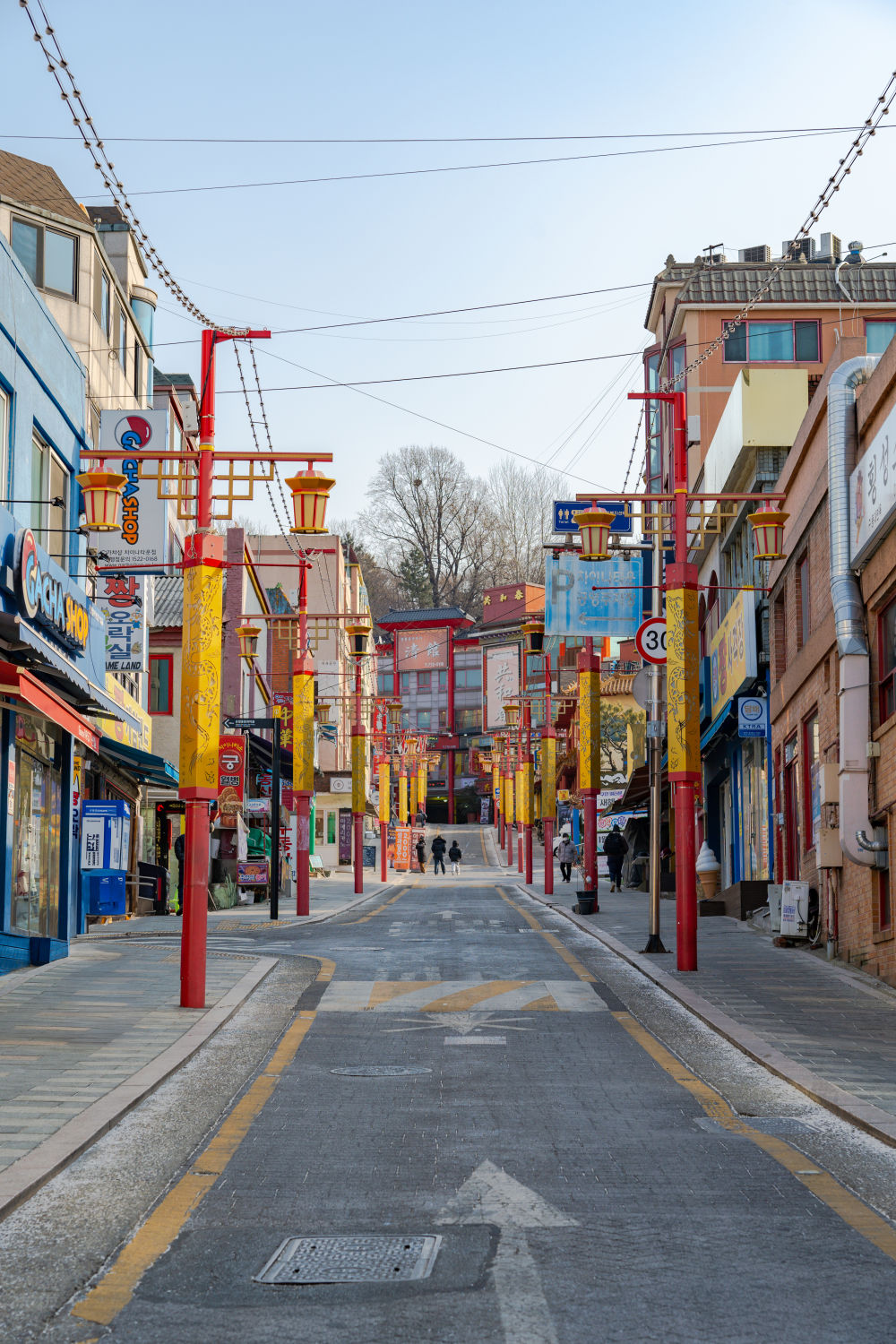
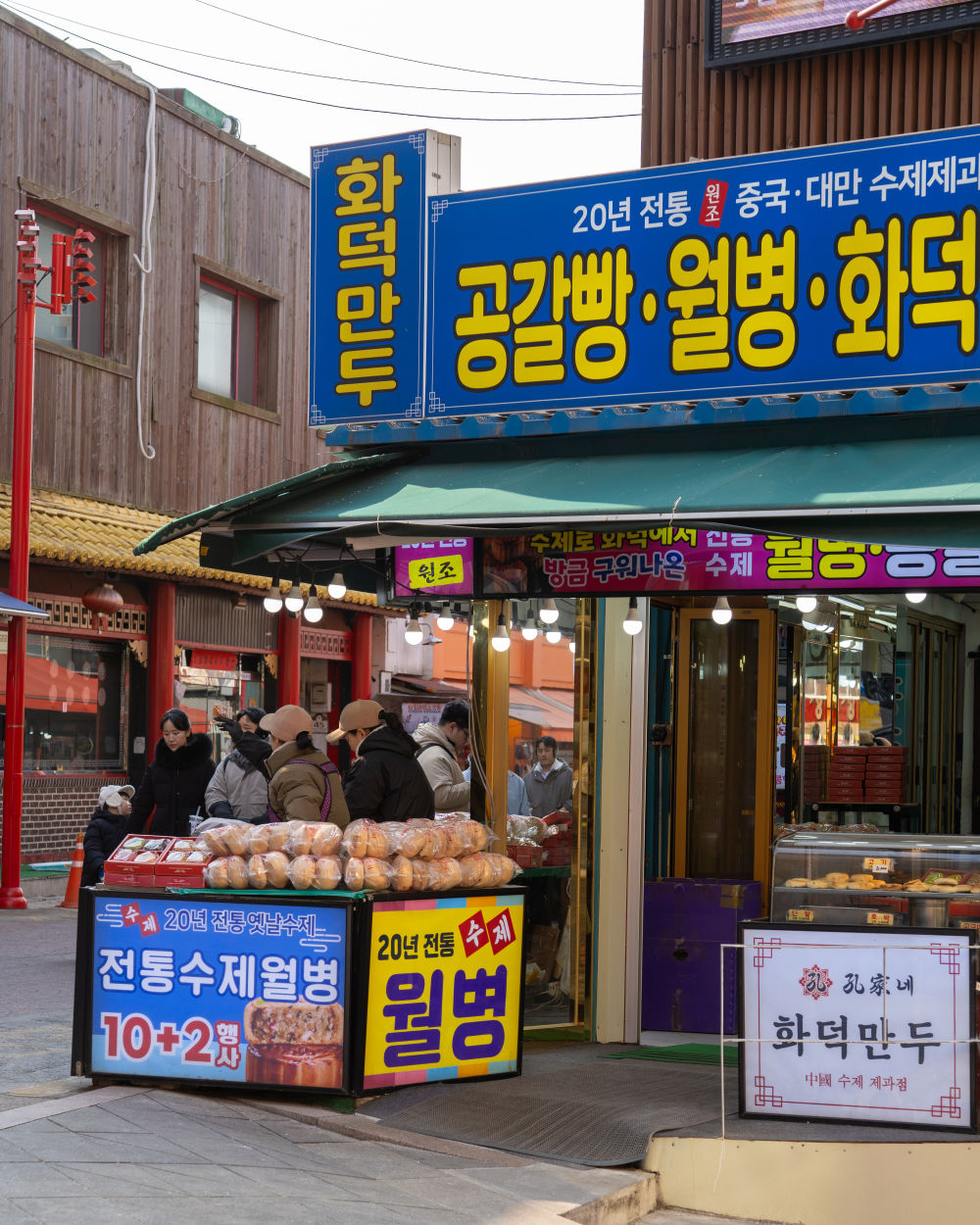
After the landing, the first place to emerge was not a military facility,
but a street where people naturally came together.
Chinatown is more than just a tourist attraction.
As Incheon grew into a port city, this was where global influences first took hold.
Even today, people of many nationalities gather here,
their cultures and everyday lives blending effortlessly.
If you’re looking for a light bite before a meal,
try the oven-baked mandu and crunchy balloon bread found throughout Chinatown’s alleyways.
- Address12-17, Chinatown-ro 26beon-gil, Jung-gu, Incheon
- Operating HoursVaries by shop
- Websitehttp://ic-chinatown.co.kr/
- Photo SpotThe street behind the pailou, or Chinese archway, lined with red decorations
In winter, the contrast between white snow and red accents is especially striking. - Getting ThereWolmi Culture Street → Chinatown (bus, approx. 10–15 minutes)
SPOT3 Chinatown Dining ㅣ Gonghwachun
The Birthplace of Black Bean Sauce Noodles, A Taste of History in Incheon
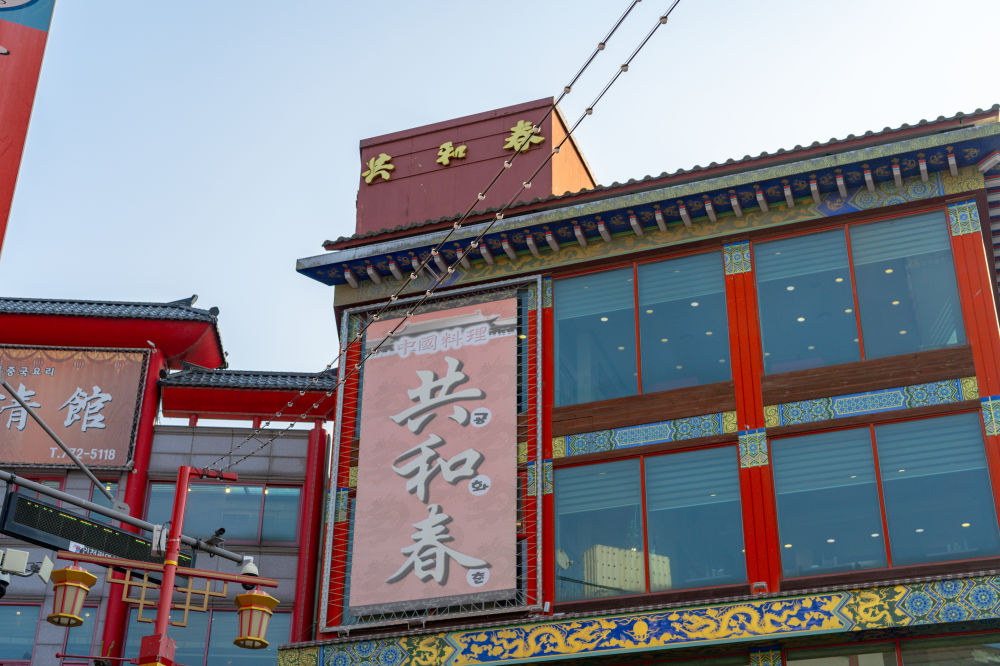
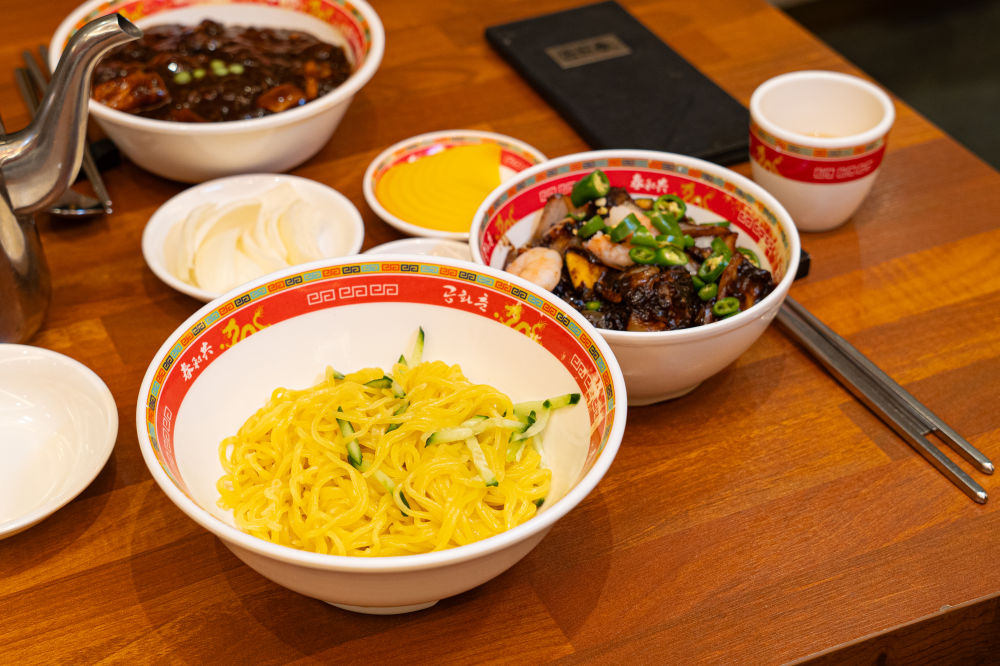
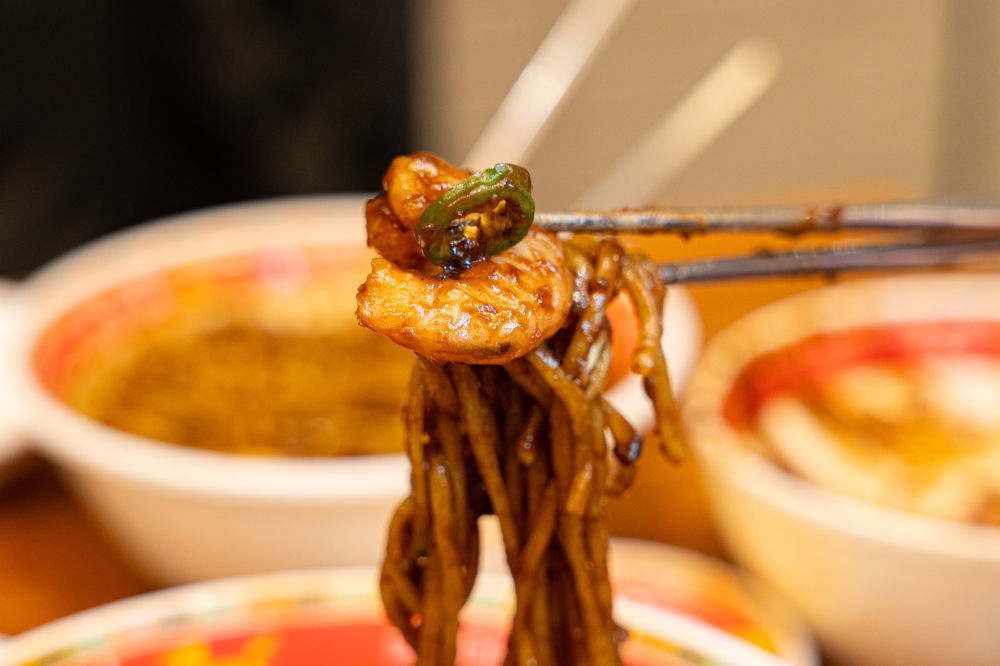
Korean-style black bean sauce noodles trace their roots to Incheon Chinatown.
Among the area’s historic eateries, Gonghwachun stands out as a century-old institution, long central to the story of this black bean sauce noodle dish.
The sauce is deep, the flavors honest. Nothing flashy—just a taste that stays with you. One bite, and you know you’ve truly arrived in Incheon.
Chinatown gets busy around lunchtime, so it’s best to come before 11 a.m. or after 3 p.m., once the afternoon break has passed.
- Address43, Chinatown-ro, Jung-gu, Incheon
- Operating HoursDaily 10:00–21:30
- Inquiries+82-32-765-0571
- Getting ThereMainly walk-in / Average wait time is about 20–30 minutes
SPOT4 Jayu Park & A Statue of General MacArthur
The Hill That Remembers the Incheon Landing Operation
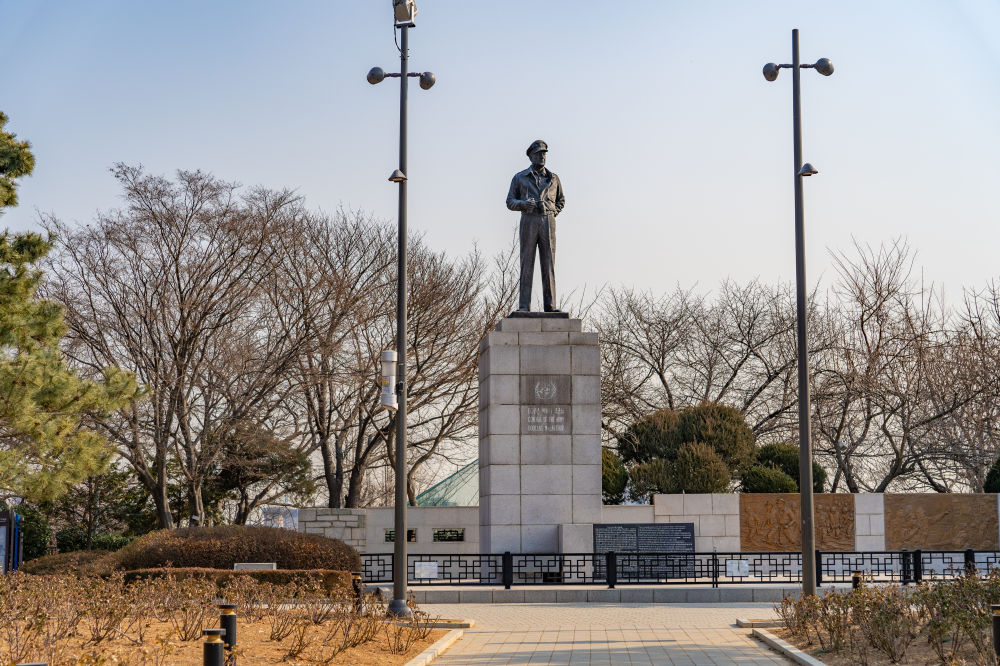
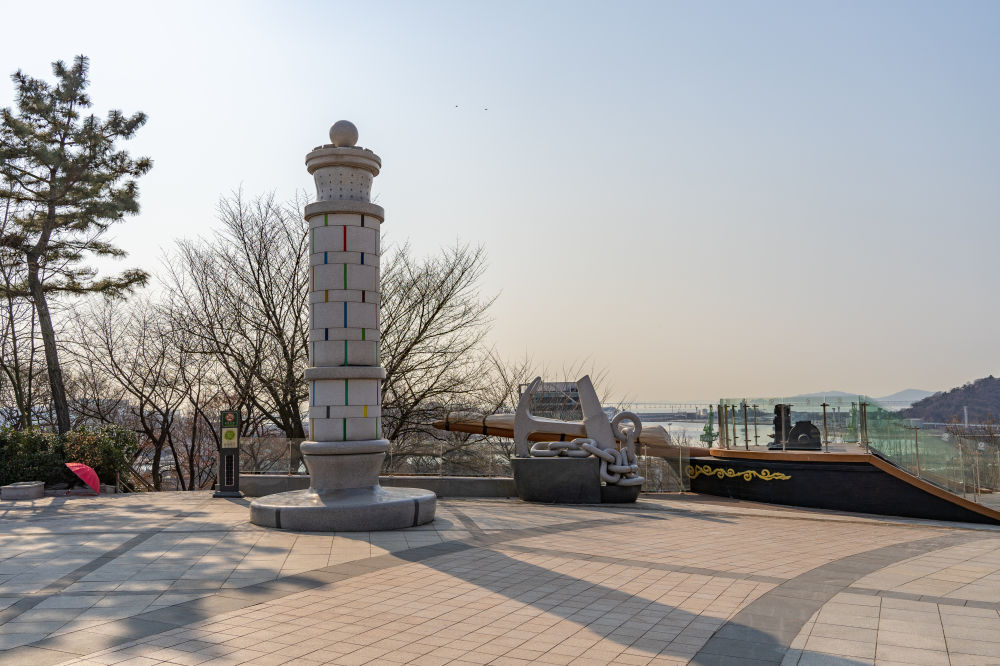
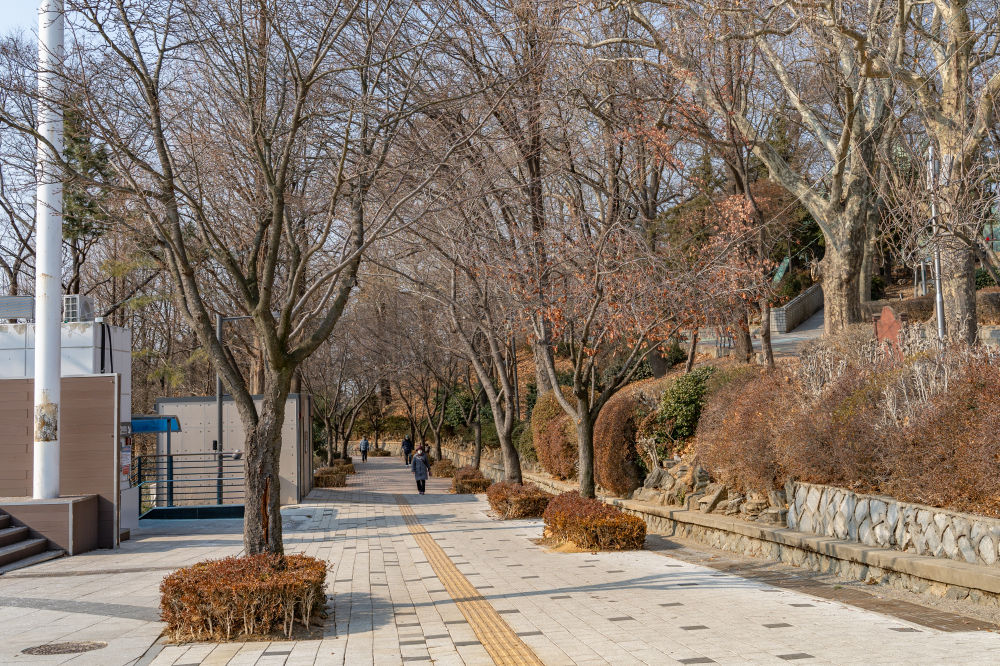
Once you’ve had a satisfying meal,
follow the uphill path behind Chinatown and make your way up to Jayu Park.
At the heart of the park stands a statue of General MacArthur,
who commanded the Incheon Landing Operation.
It marks Incheon as more than a port, but a turning point in the war.
Look past the statue, and Incheon Port spreads out below.
A journey that began at the sea now leads you into the city.
- Address1-1, Songhak-dong 1-ga, Jung-gu, Incheon
- Operating HoursOpen year-round
- FacilitiesParking, restrooms, walking paths
- Getting ThereAbout a 10–15 minute walk from Incheon Chinatown
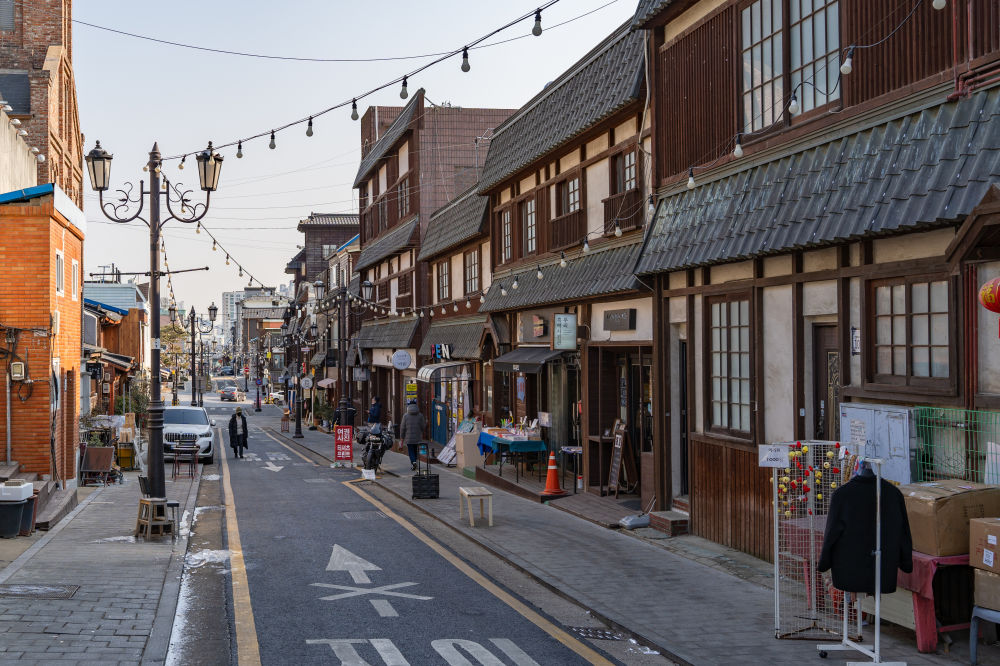
SPOT5 Gaehangjang Open Port Area Cultural District
Life in Incheon After the Landing
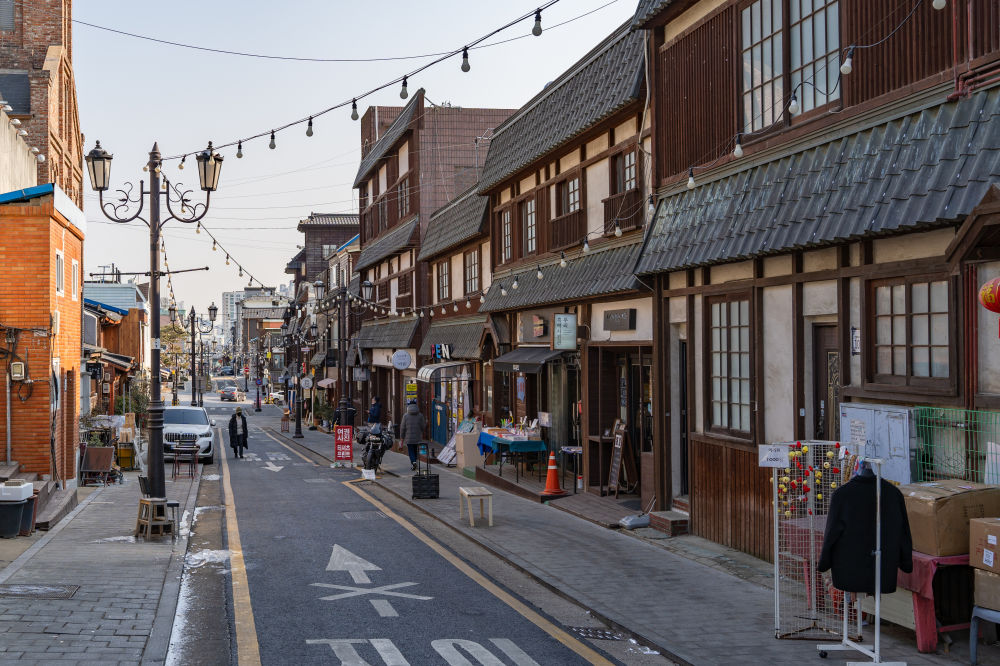
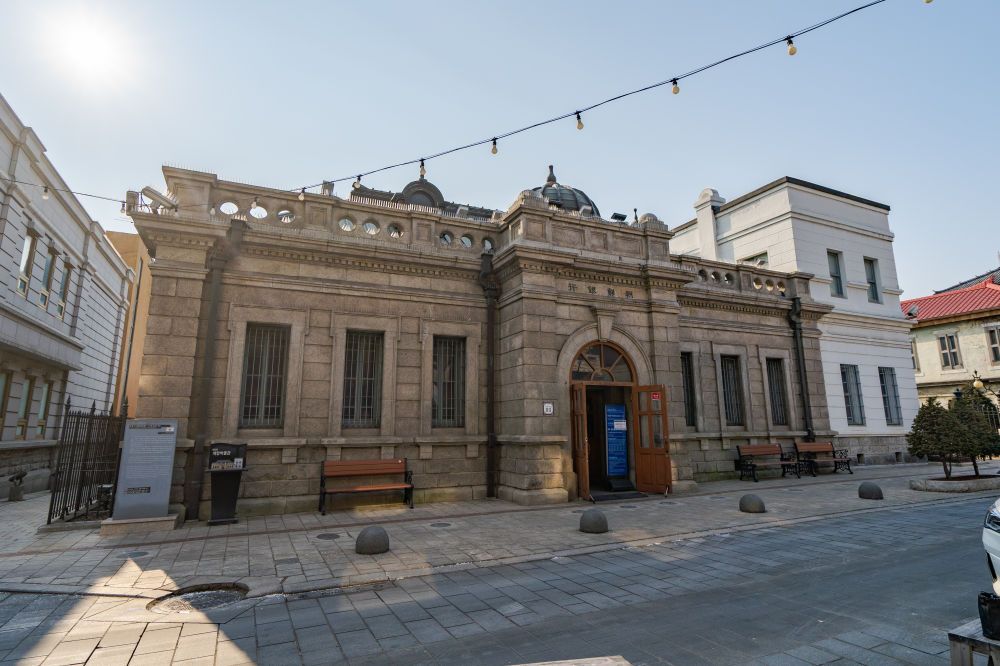
Follow Gaehangnuri-gil Street below Jayu Park,
and the Gaehangjang Open Port Area Cultural District comes into view—
a place shaped by layers of everyday life since Incheon first opened as a port.
It isn’t flashy, but the architecture and alleyways of the early modern port era remain largely intact, creating the feeling of stepping back in time.
You can stop by the Incheon Open Port Museum,
or simply wander through the lanes at an easy pace,
browsing small shops and cafés as traces of the past linger along the way.
- Address24, Gwan-dong 1-ga, Jung-gu, Incheon
- Operating HoursOpen year-round
- Inquiries+82-32-760-6456
- Getting ThereAbout a 10-minute walk from Jayu Park to Gaehangnuri-gil Street
SPOT6 Café in Gaehangjang Open Port Area ㅣ Café pot_R
A Quiet Moment to Pause
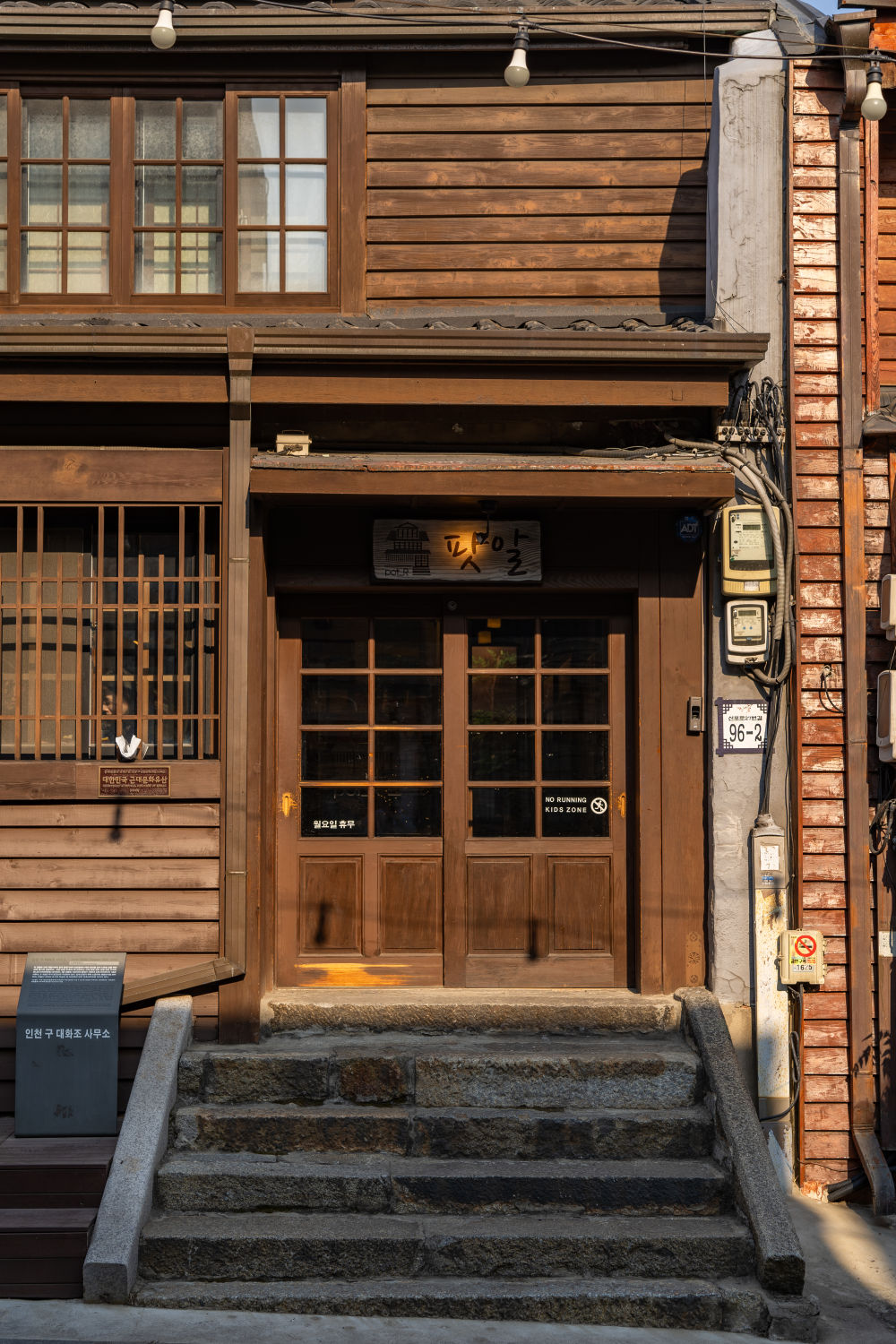
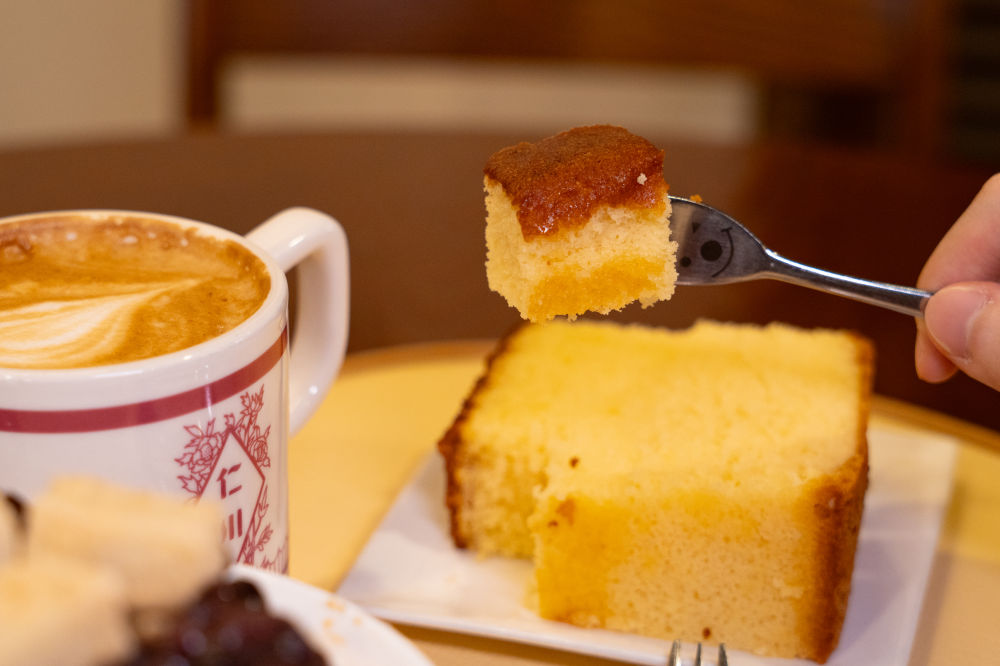
Tucked into the alleys of the Gaehangjang Open Port Area Cultural District,
small cafés occupy buildings from the port’s early days.
Among them, Cafe pot_R stands out.
With low ceilings, an aged wooden structure, and an early modern façade,
the space beautifully captures the area’s calm, nostalgic character.
Wrap up your first trip of the year at an easy pace,
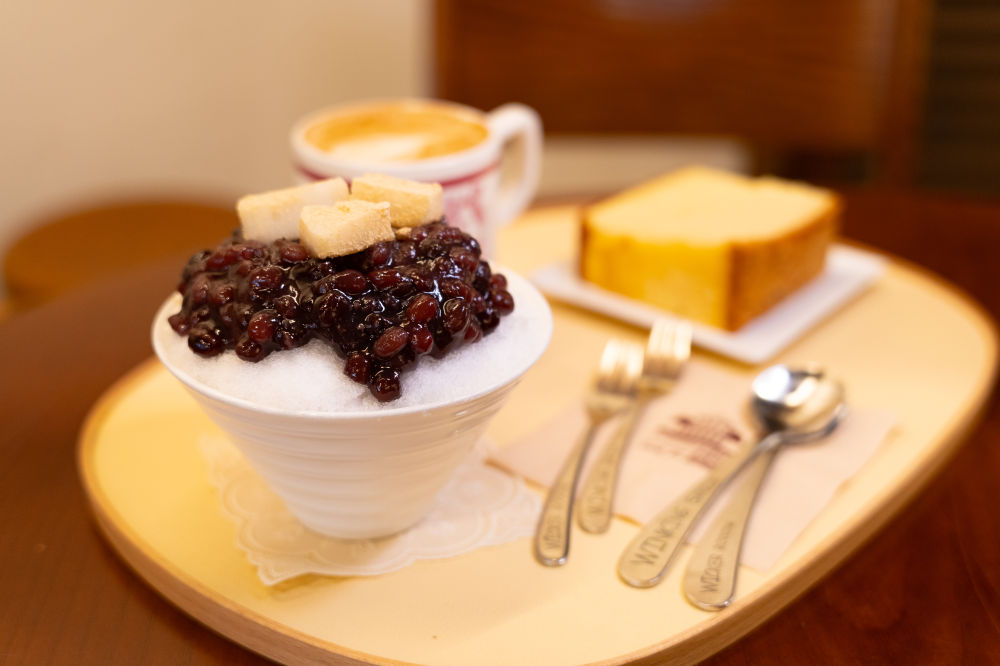
enjoying a bowl of shaved ice with red bean toppings inside a 103-year-old wooden building.
- Address96-2, Sinpo-ro 27beon-gil, Jung-gu, Incheon
- Operating HoursTuesday-Sunday 10:30–21:00 (Closed on Mondays)
- Inquiries+82-507-1381-8691
- Photo SpotThe front of the wooden exterior; window seats
- While You’re ThereTry the shaved ice with red bean toppings and castella / Weekend afternoons can be busy

-
- 29 Jeonggak-ro (1138 Guwol-dong), Namdong-gu, Incheon 21554, Korea
- TEL : +82-32-120 / FAX : +82-440-3009
Copyright 2020(c) Incheon Metropolitan City.
All right reserved. -
General Tourism Inquiries
1330 / 032-832-3031 -
ITOUR SNS


