


 21
21Island Travel Course in Incheon | Baengnyeongdo, Korea’s Northernmost Island with a Billion Years of Geological History



Baengnyeongdo Island is the eighth-largest island in Korea. Among the country’s islands not connected to the mainland by a bridge, it is the third largest after Jejudo and Ulleungdo. Its location is equally remarkable. Situated 192 km from Incheon Port, it is South Korea’s northernmost island in the West Sea and lies just 12 km in a straight line from North Korea’s Yongyon Peninsula.
After the Korean War, refugees who settled on Baengnyeongdo Island brought the culture of Hwanghae Province with them, creating a distinctive island community. Here, the determination of residents who carved out a life on the island’s barren land coexists with a persistent sense of military tension, making Baengnyeongdo a place where the modern history of the Korean Peninsula is vividly condensed.
Yet the island holds a history that stretches back far beyond human civilization. Baengnyeongdo is a geological treasure where rock formations dating back one billion years are exposed at the surface. A vast sedimentary basin formed during the Neoproterozoic Era was transformed by prolonged tectonic activity and later sculpted by rising sea levels and erosion into the island’s distinctive landscape. In particular, the sedimentary structures of Dumujin and the folds of Yongteurim Rock are recognized as invaluable geological features that provide important clues to understanding the formation of the Korean Peninsula’s crust.
A journey to Baengnyeongdo Island is about more than simply admiring beautiful scenery. It is an opportunity to discover the island’s stories and trace the passage of time recorded in its ancient rock layers. Beyond its remarkable geology, the island also offers the rich culinary traditions of Hwanghae Province and a thriving natural ecosystem, providing countless experiences to explore and enjoy. To truly appreciate everything Baengnyeongdo has to offer, a three-day, two-night itinerary or longer is highly recommended. Planning your accommodations, route, and transportation in advance will ensure a more rewarding journey.

Travel Writer Kim Min-soo Kim Min-soo has traveled to more than 300 islands across Korea. He is the author of Islands Are Wonderful, A Night on the Island, 100 Island Journeys in Korea, and several other books. Through magazines, newspapers, and television, he continues to share stories about Korea’s many islands. His work bridges the mainland and the islands, creating connections stronger and more enduring than any physical bridge.
SPOT1 Dumujin
Discover spectacular sea cliffs shaped by one billion years of geological history
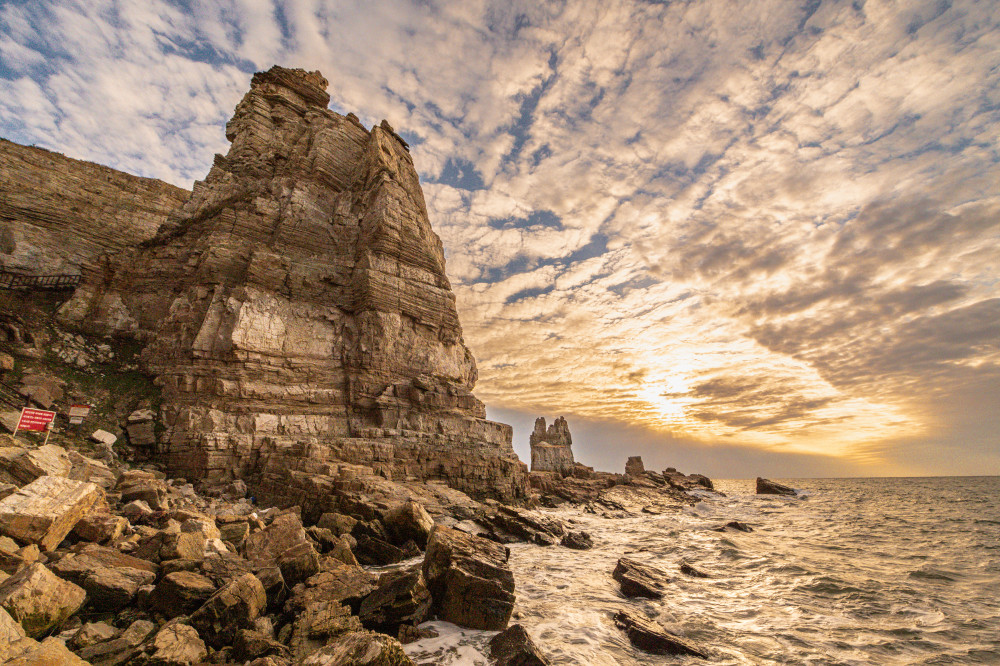
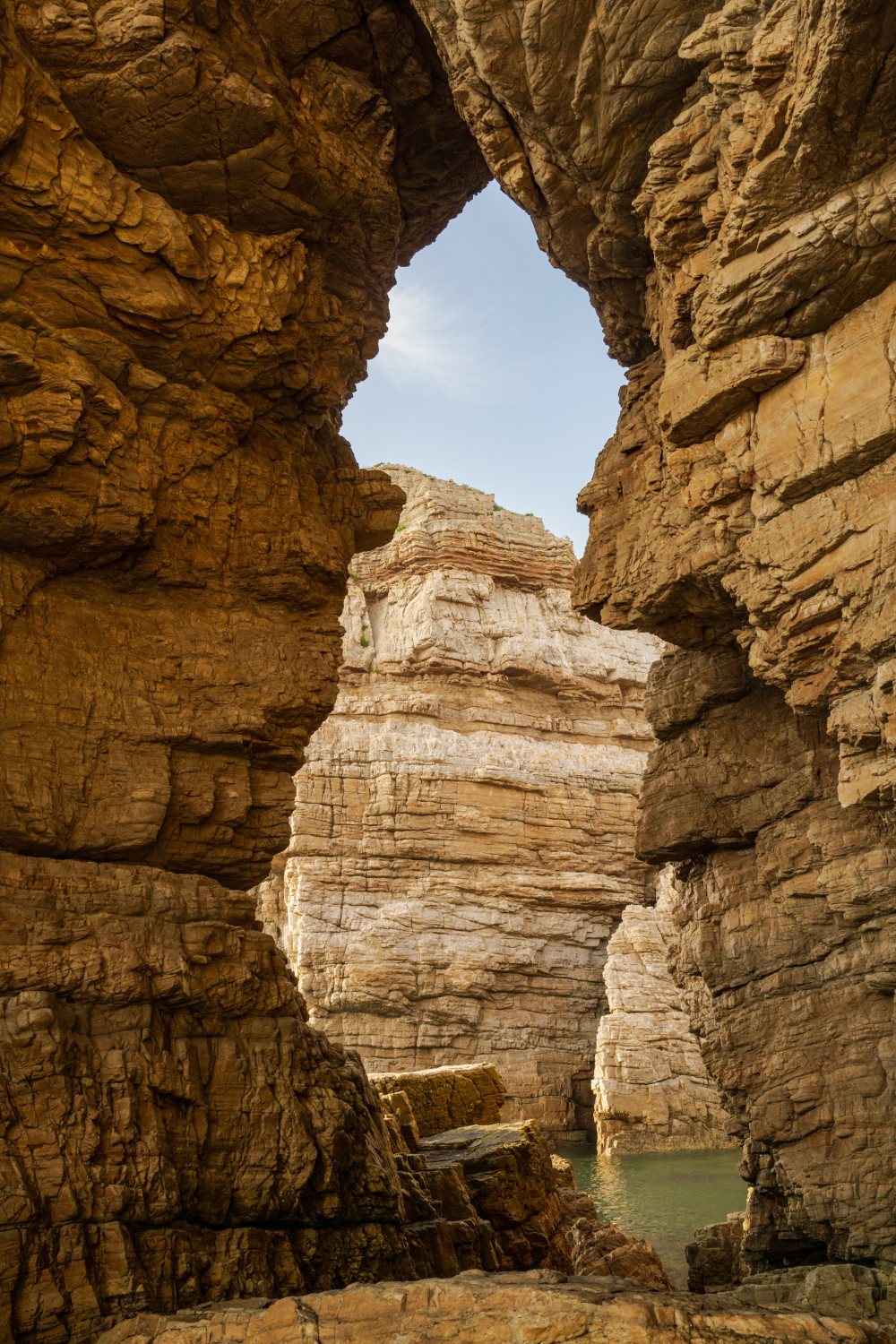
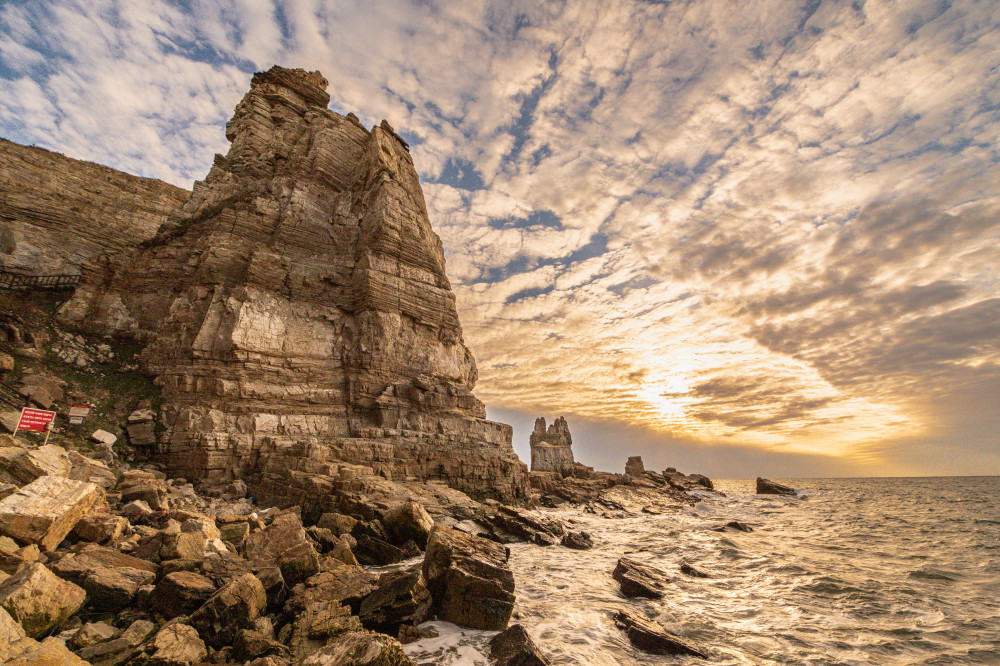
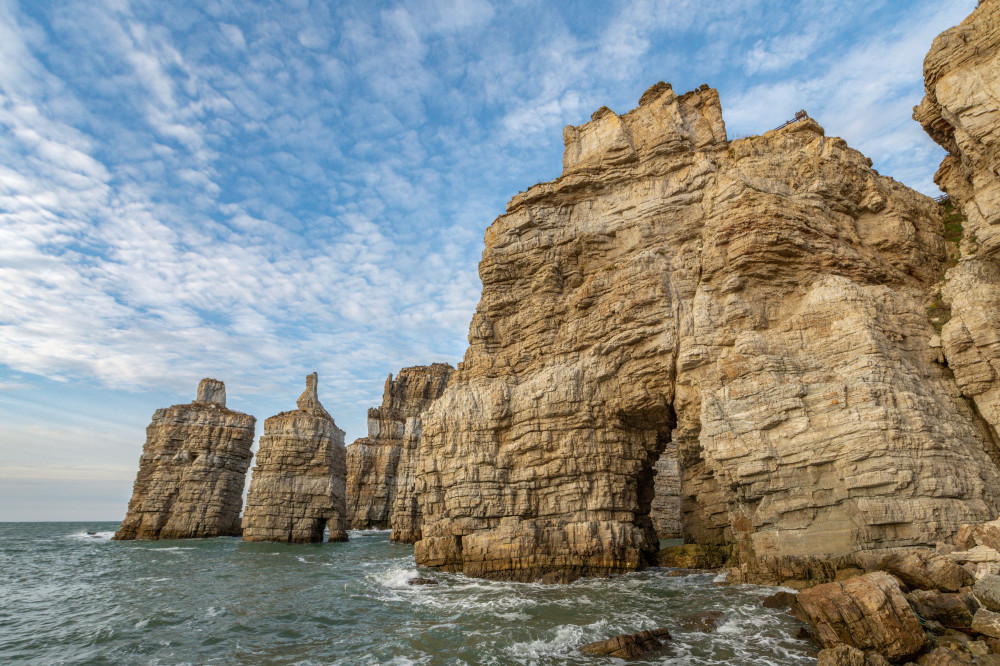
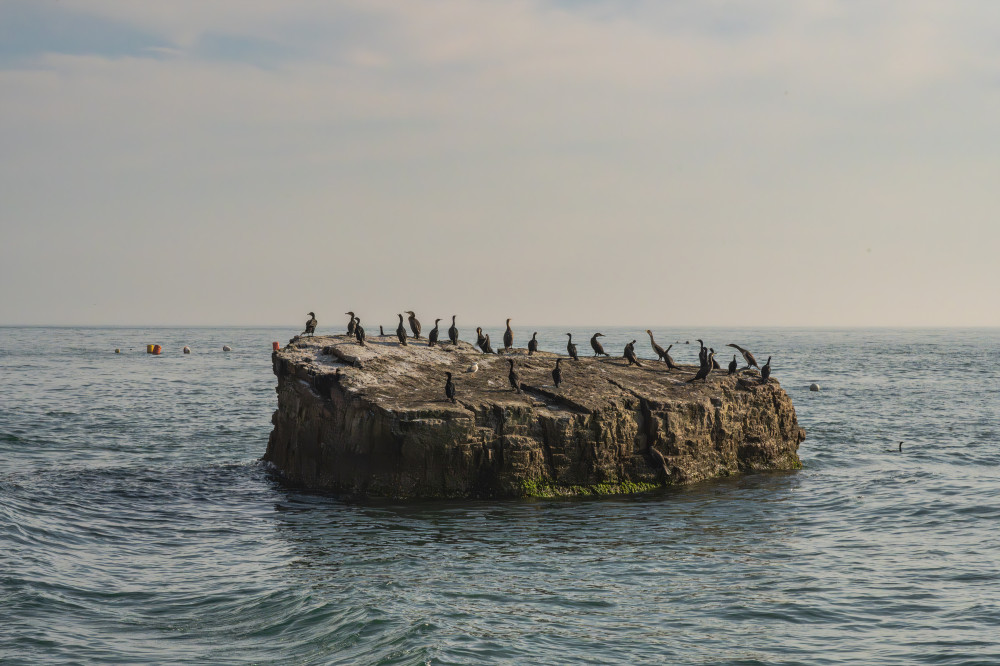
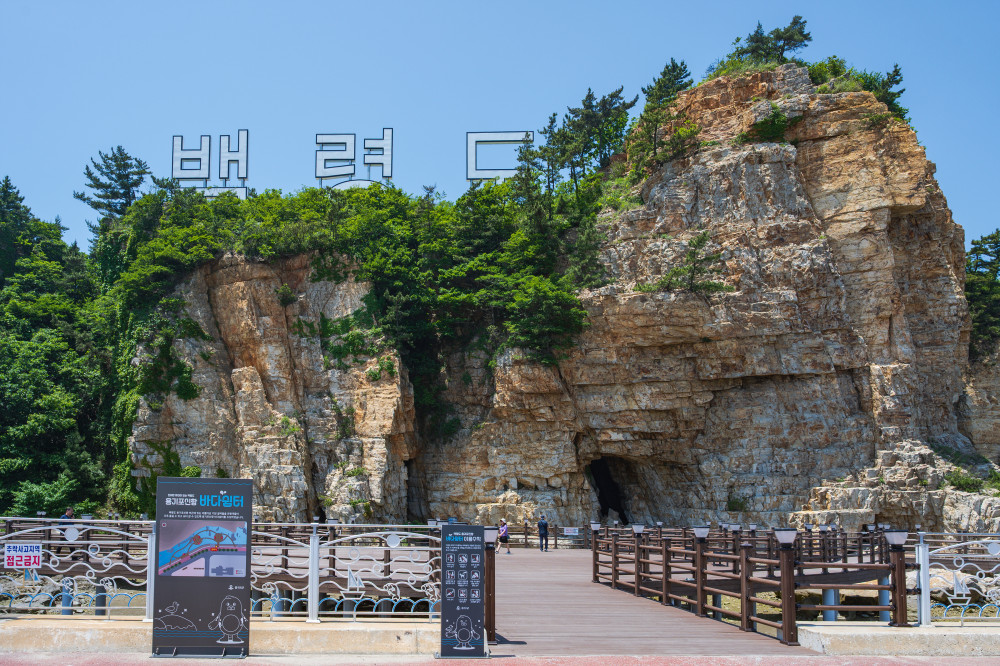
Dumujin is a dramatic sea cliff where sedimentary structures dating back one billion years remain remarkably well preserved. Designated as Korea’s Scenic Site No. 8, it is considered Baengnyeongdo’s signature landmark, boasting breathtaking coastal scenery. Its name comes from the towering rock formations, approximately 50 meters high, which resemble generals standing shoulder to shoulder. Depending on their shapes, they are known by names such as Elephant Rock, General Rock, Sinseondae, Seondaeam, and Octagonal Pavilion.
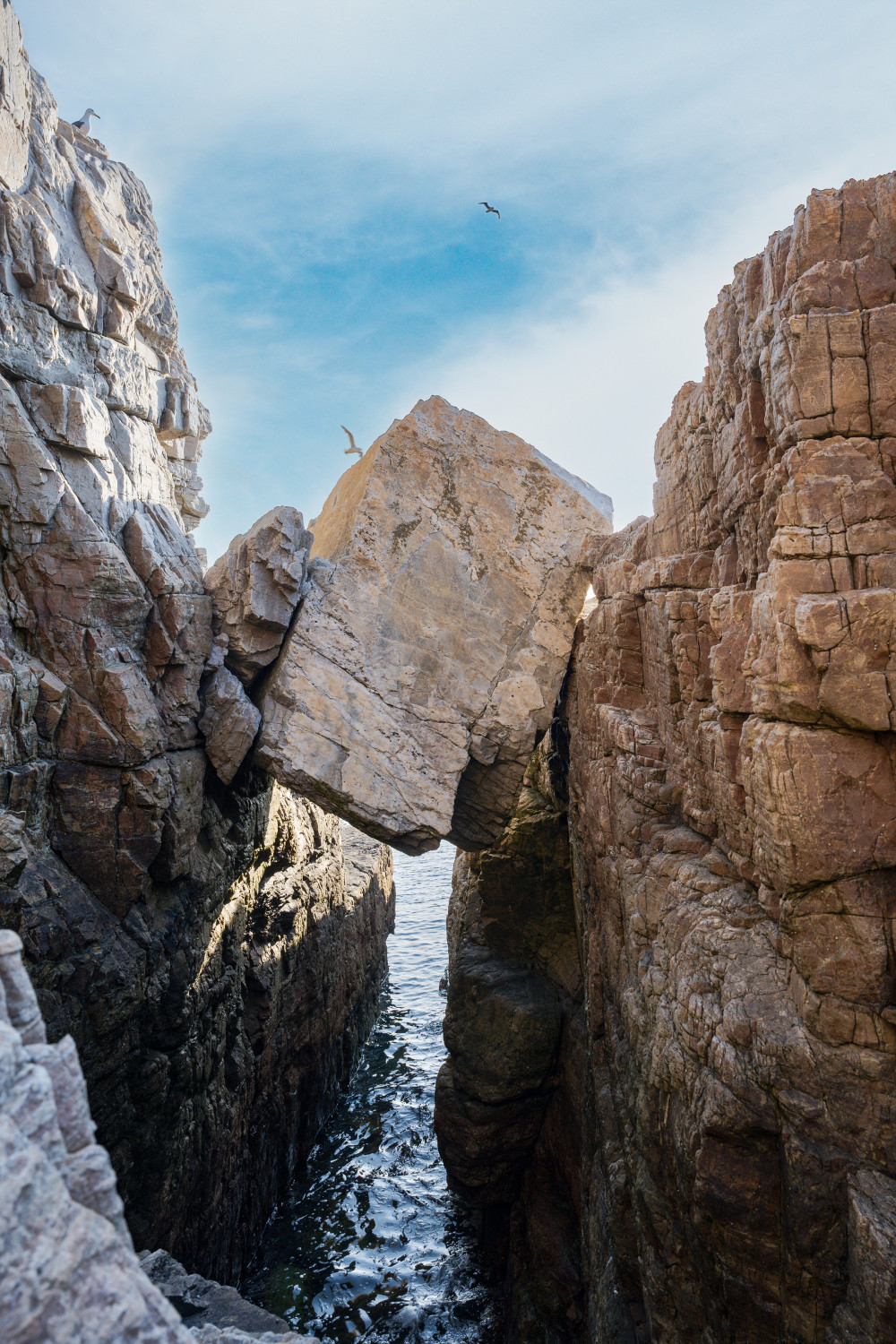
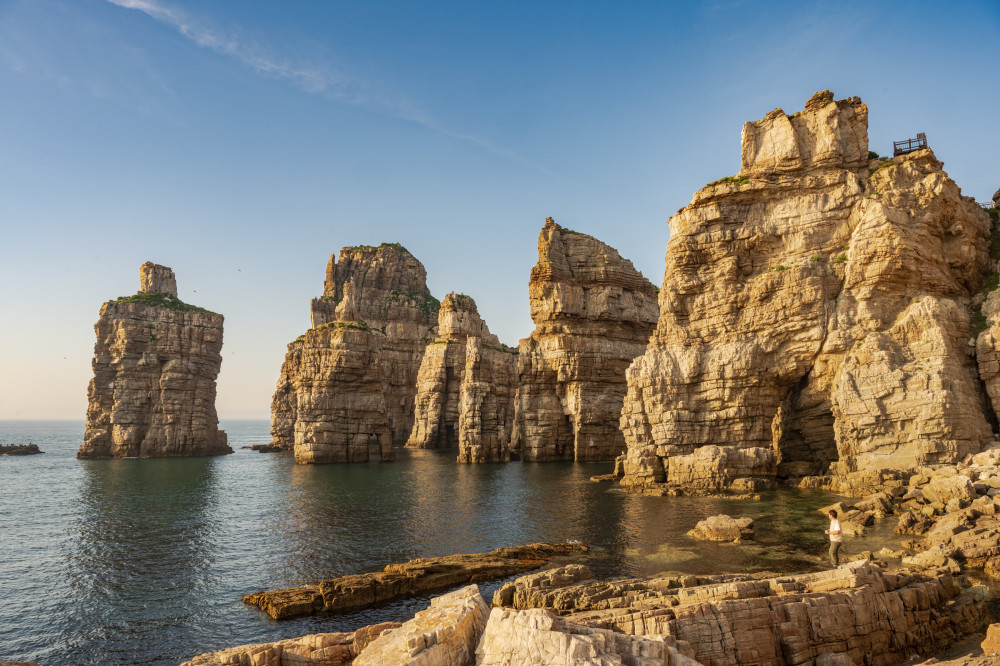
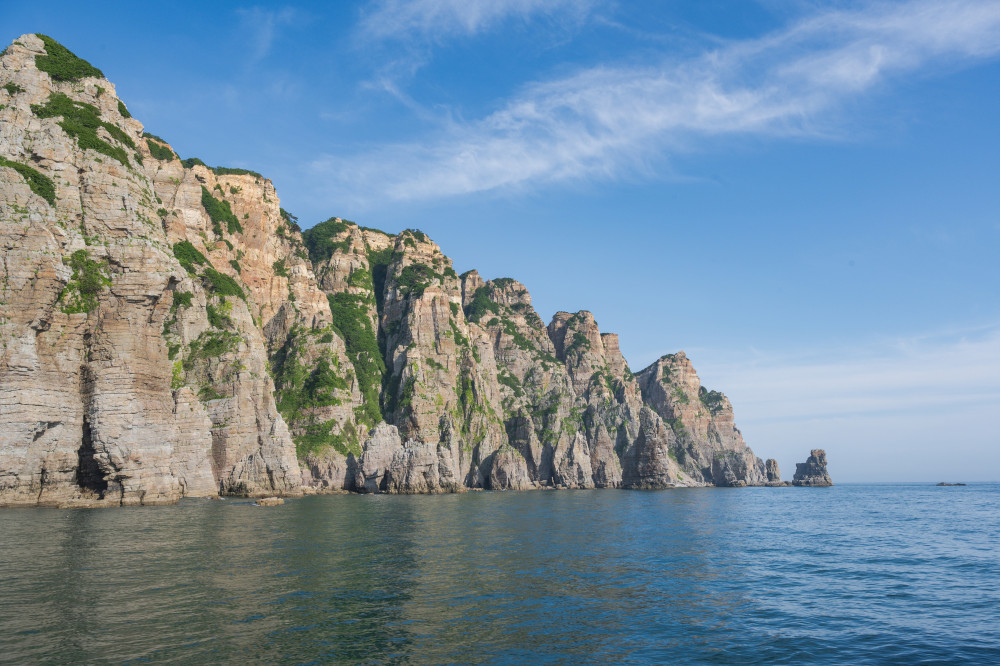
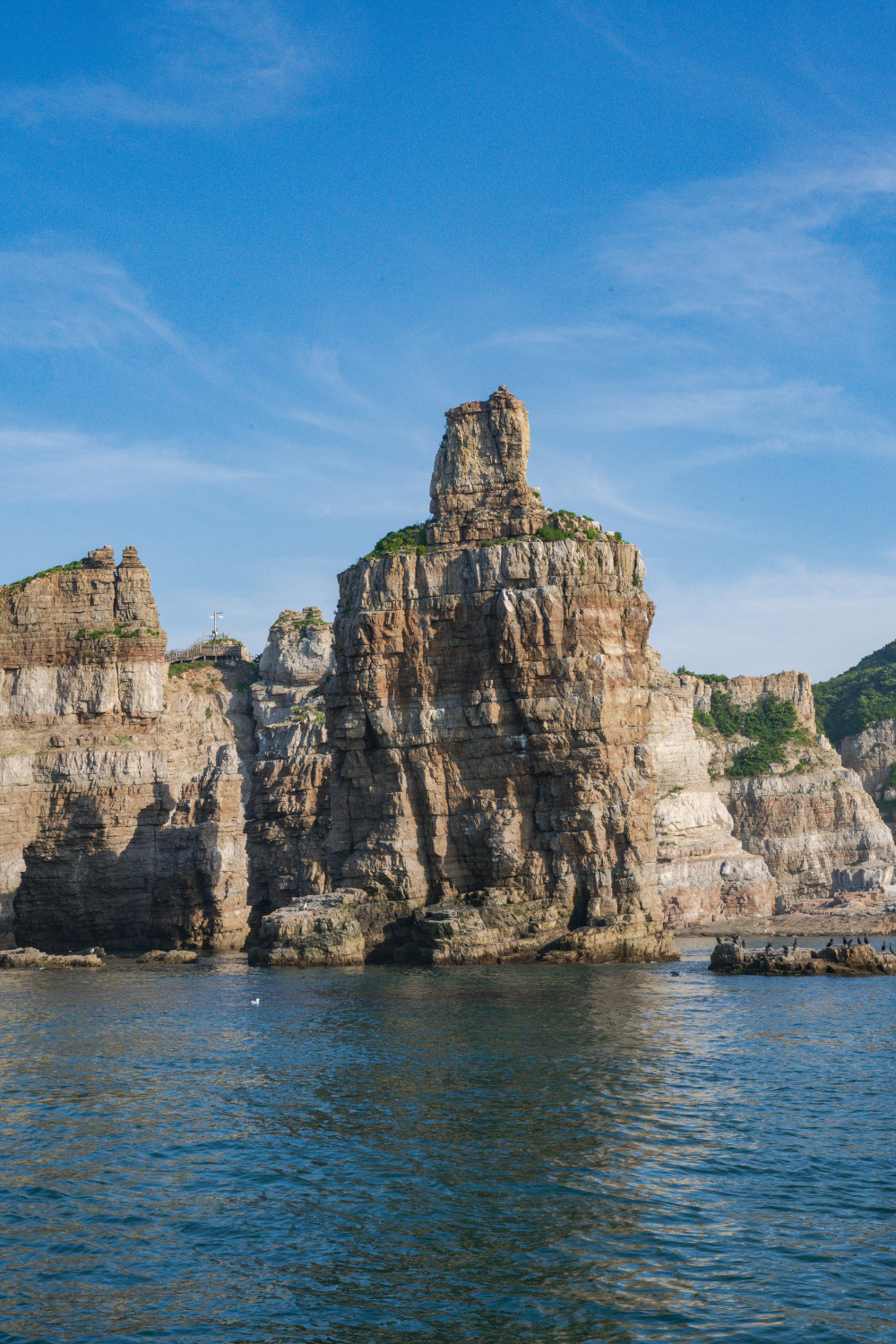
Together with the Seomdeung Peninsula on Gageodo Island, Dumujin is regarded as one of the places in Korea where the sun sets latest. Perhaps for that reason, its sunsets are exceptionally beautiful. Travelers who have witnessed the cliffs gradually glowing crimson in the fading light often remember the experience for a lifetime.
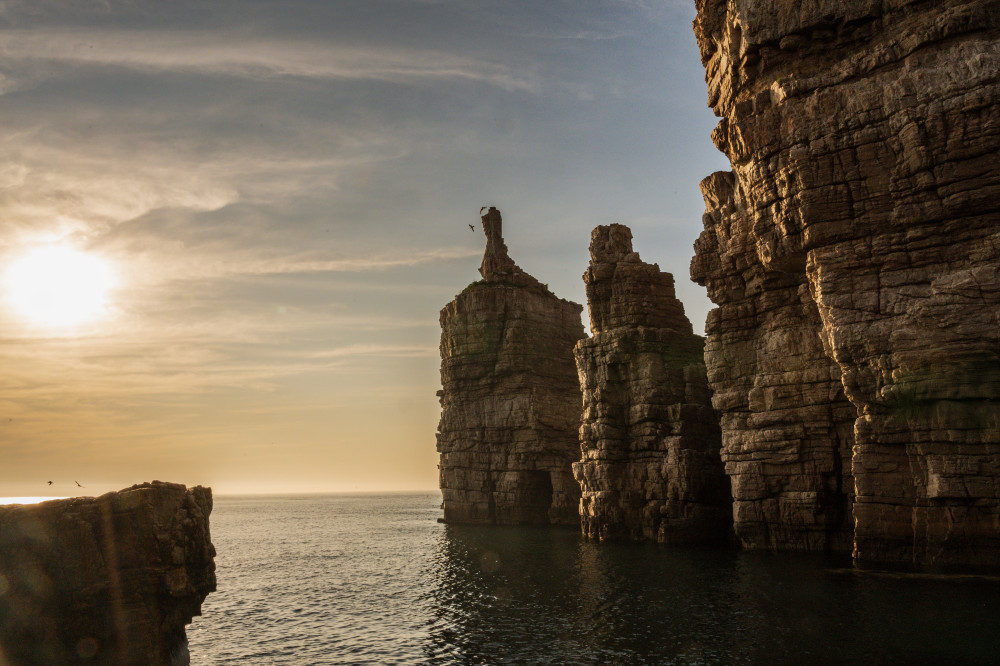
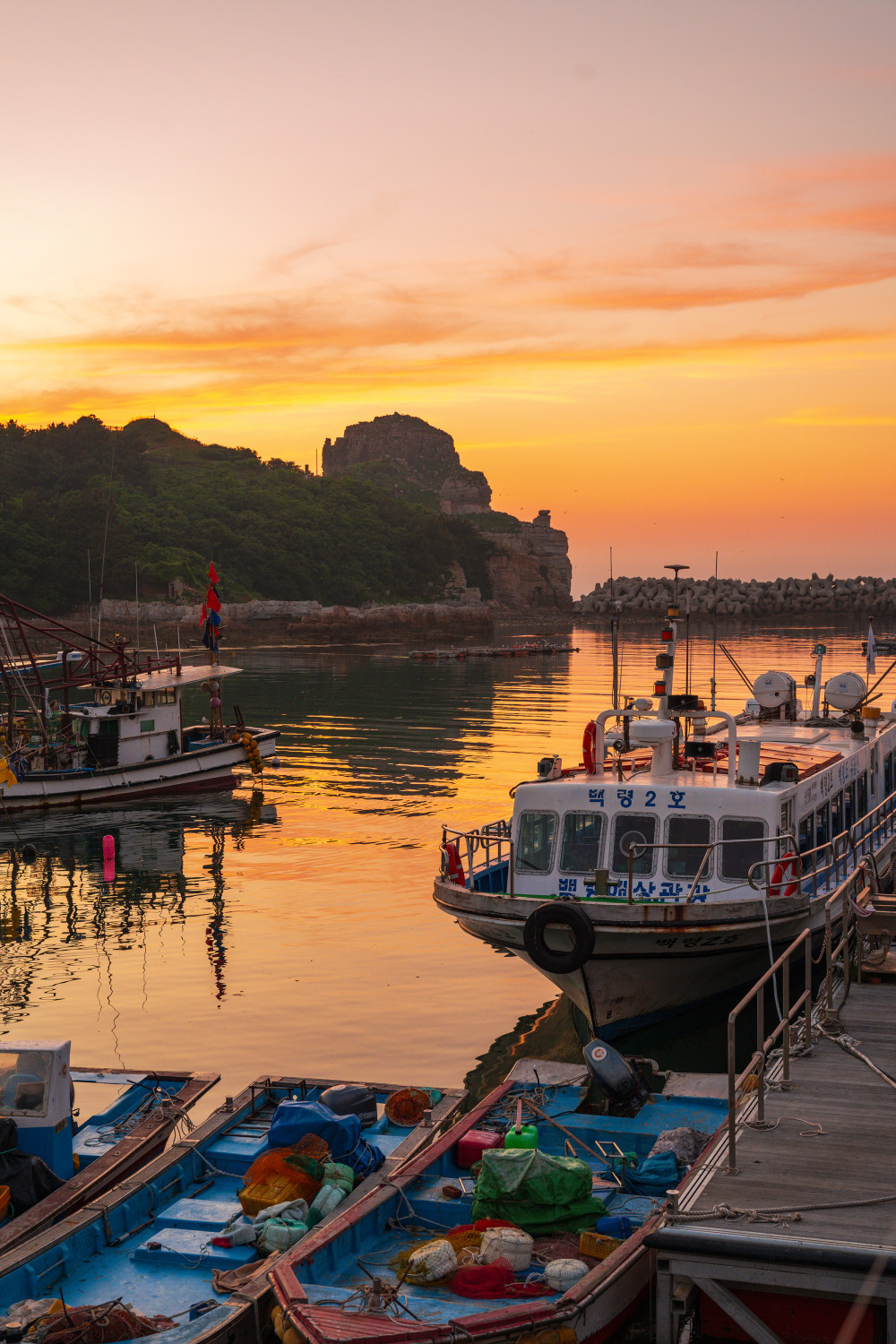

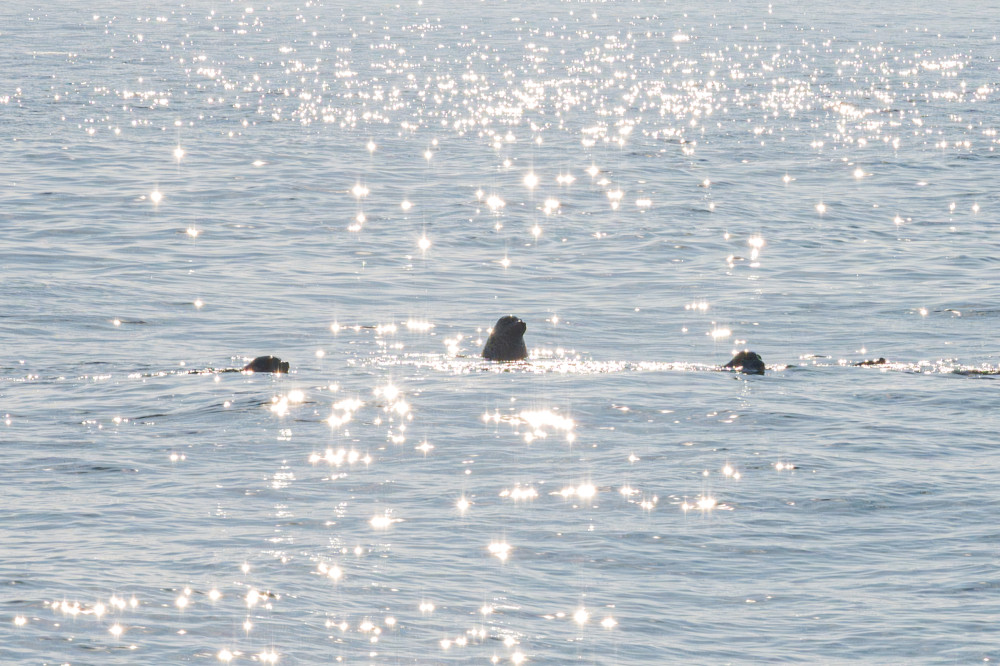
The highlight of any visit is undoubtedly the Dumujin sightseeing cruise, operated by the Dumujin Tourism Cooperative. Even visitors who are satisfied with the view from land often change their minds once they board the boat. Seen from sea level, the cliffs reveal far more intricate textures and details than they do from shore. The experience is like the difference between looking at a photograph and watching a film—far more vivid, immersive, and moving. If you’re lucky, you may even spot spotted seals basking on the offshore rocks.
- AddressYeonhwa-ri, Baengnyeong-myeon, Ongjin-gun, Incheon
- Inquiries032-899-3510 (Baengnyeong-myeon Office)
- Websitewww.ongjin.go.kr/tour (Ongjin-gun Culture and Tourism)
- 💡 Dumujin Tourism Cooperative032-836-8088 (Sightseeing Cruise: KRW 21,000 for adults / KRW 15,000 for children)
SPOT2 Sagot Beach
One of only two natural airfields in the world
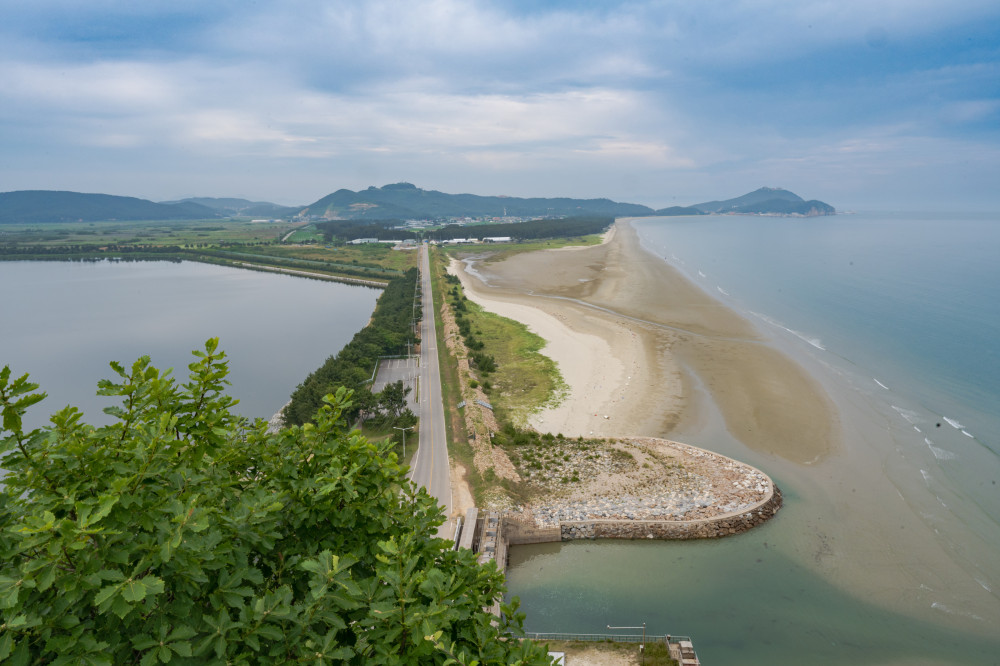
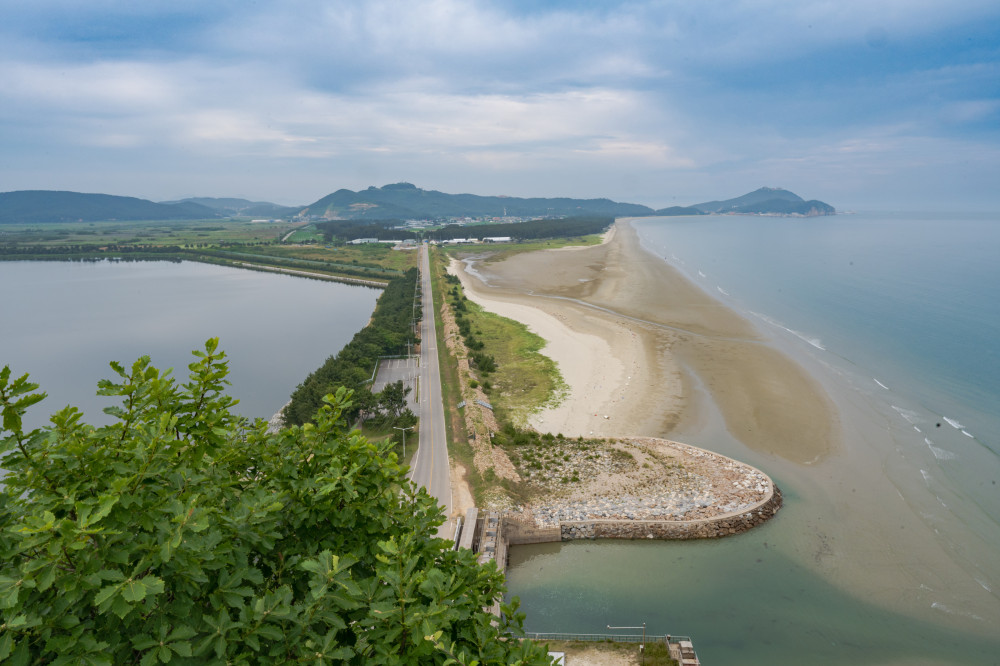
Sagot Beach, designated as Natural Monument No. 391 of Korea, stretches approximately 3 km in length and 300 meters in width. This vast shoreline is renowned for its rare silica sand composition, a geological feature seldom found anywhere else in the world. The fine, delicate sand becomes remarkably firm when saturated with seawater, providing enough stability for most vehicles to drive across its surface.
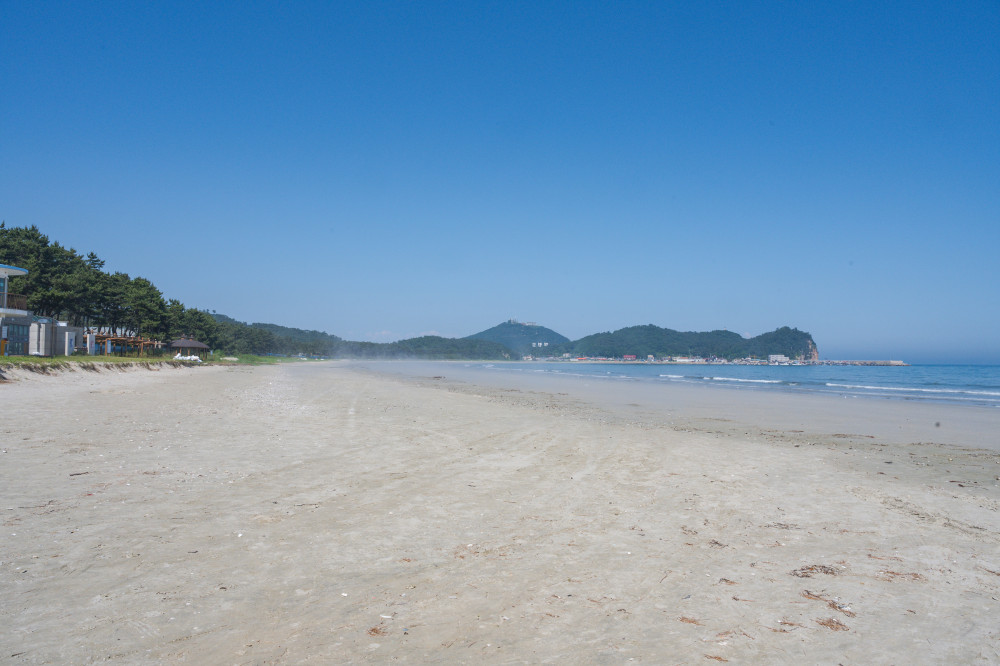
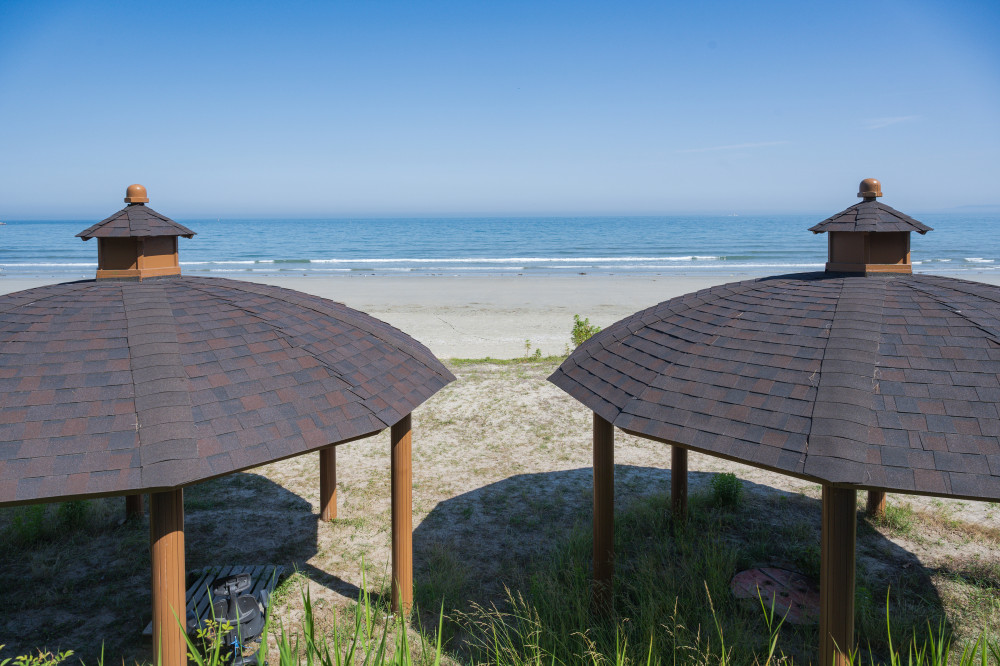
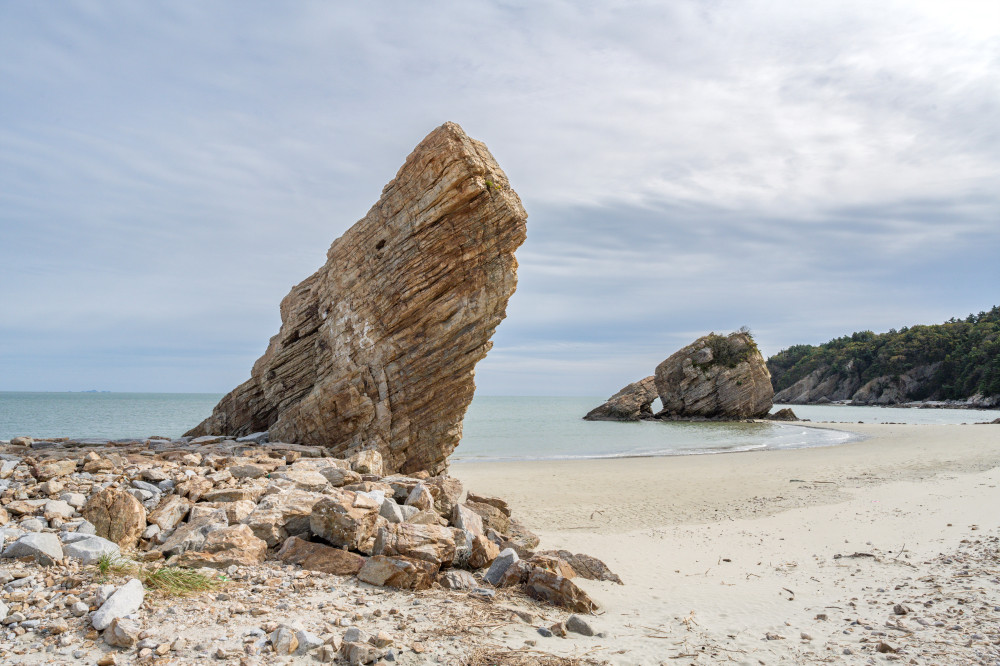
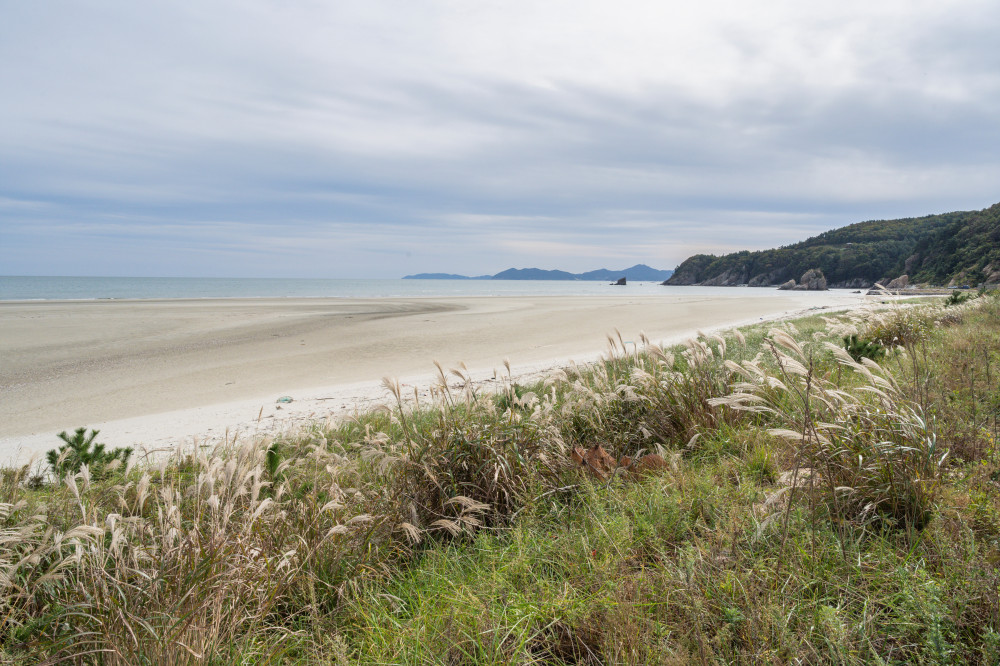
Thanks to this unique characteristic, records show that large transport aircraft landed and took off here not only during the Korean War but also until the early 1970s. Sagot Beach is also said to be one of only two natural airfields in the world, the other located along the coast of Naples, Italy.
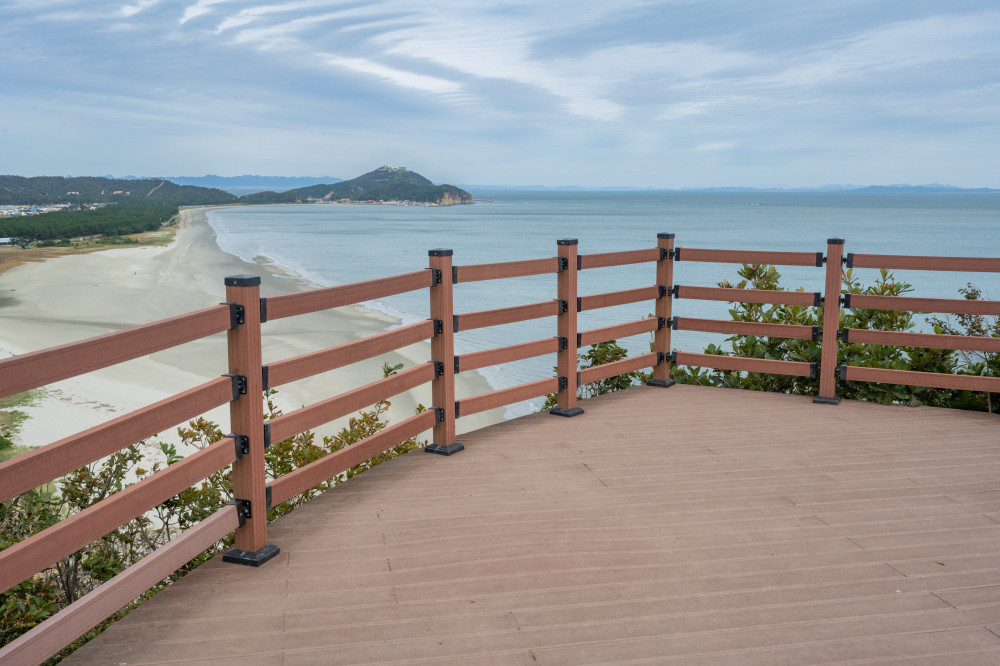
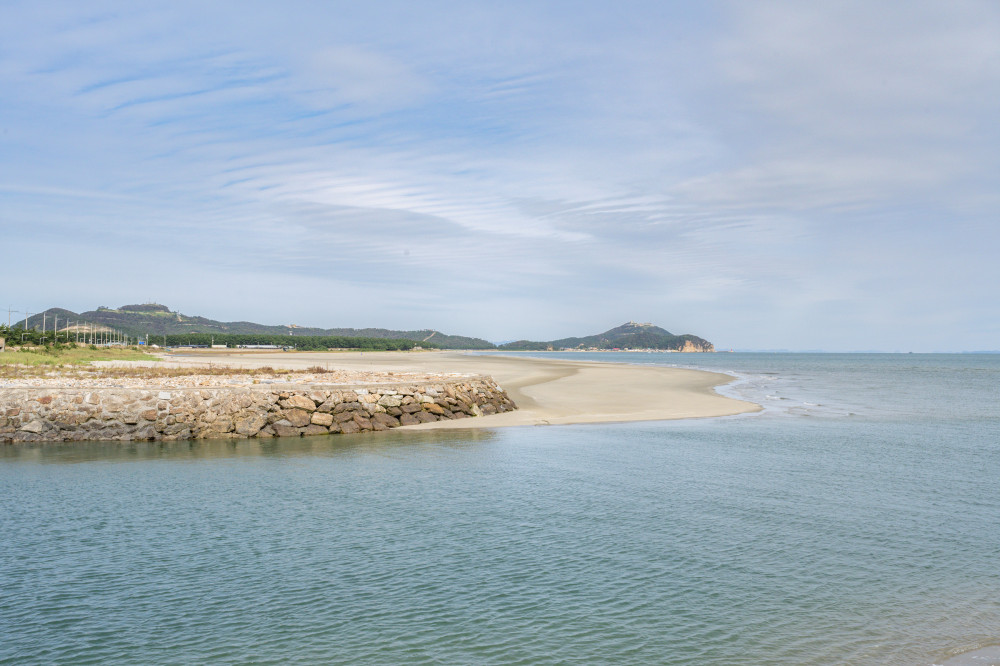
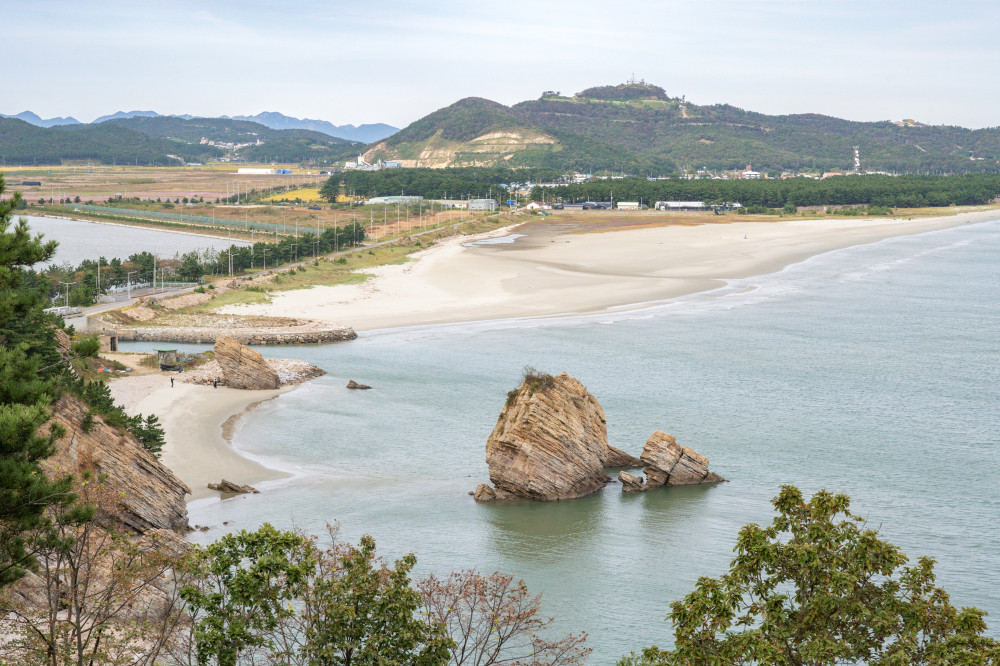
Ironically, it is difficult to appreciate the sheer scale of the beach while standing on it. For the best view, head to the Changbawi Front Observatory. From this elevated vantage point, you can take in the sweeping expanse of Sagot Beach, along with panoramic views of Baengnyeong Lake, the Sports Complex, and Baengnyeongdo’s western coastline stretching toward Yonggiwonsan Mountain.
- Address139, Sagot-ro, Baengnyeong-myeon, Ongjin-gun, Incheon
- Inquiries032-899-3510
- Websitewww.ongjin.go.kr/tour
SPOT3 Kongdol Pebble Beach
A colorful shoreline of pebble-sized stones

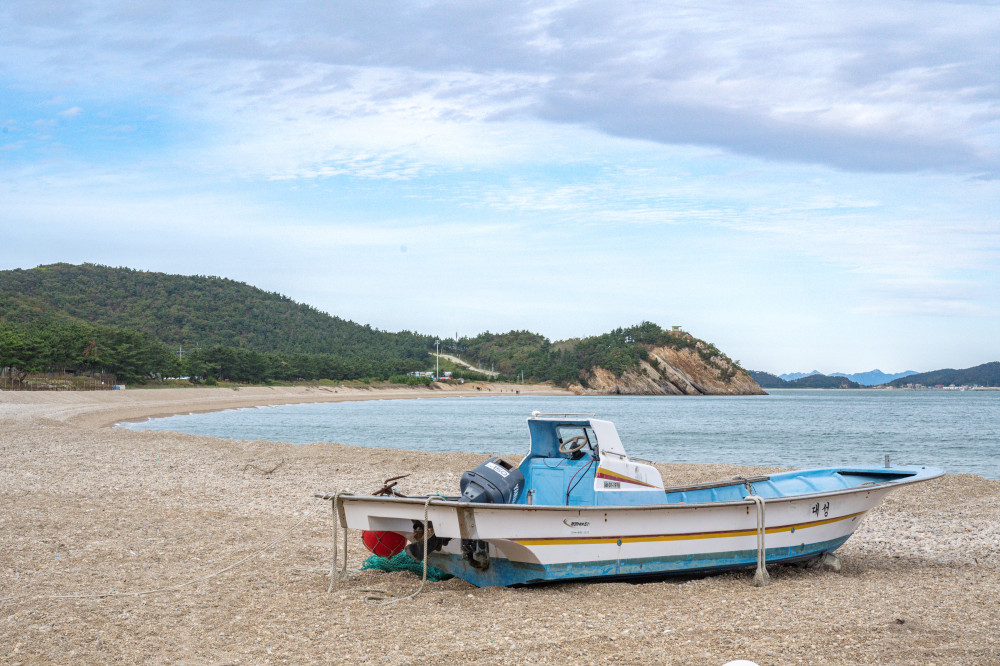
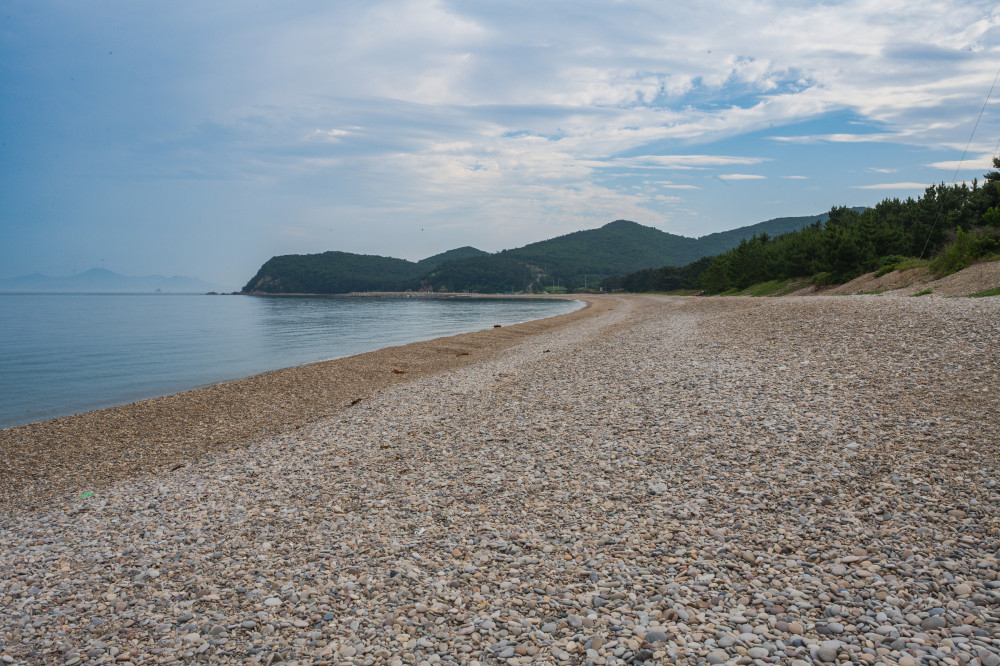
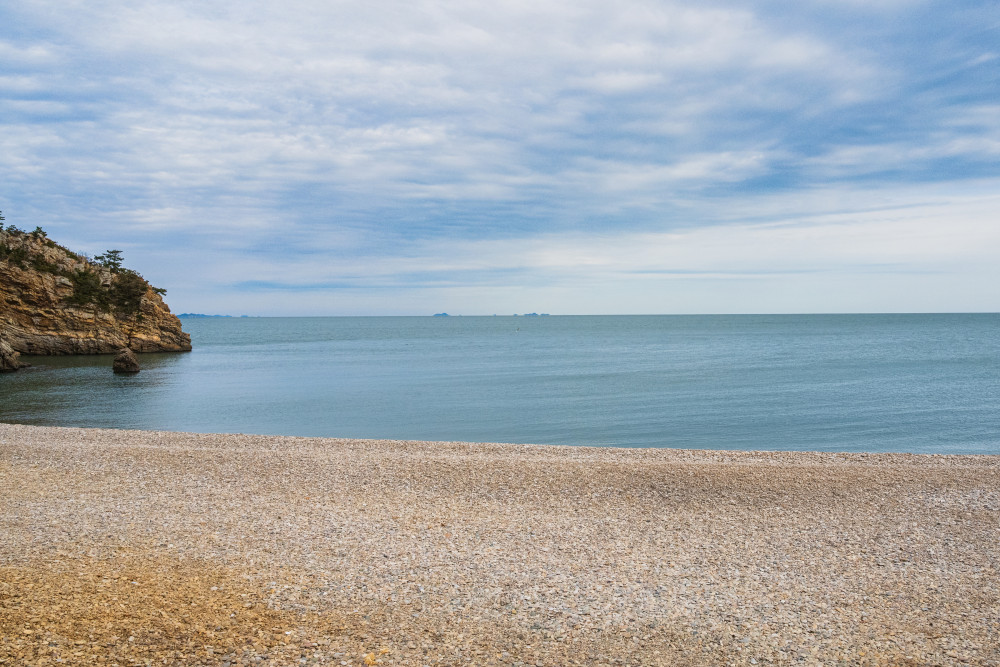
On the southern side of Ogunpo in Nampo-ri lies a truly distinctive shoreline. True to its name, Kongdol Pebble Beach is blanketed with countless bean-sized pebbles in shades of white, gray, brown, and reddish-brown. Beyond its striking appearance, the coast holds exceptional geological significance. The pebbles were formed from quartzite, mudstone, sandstone, and basalt—the rocks that make up Baengnyeongdo's bedrock—which were broken down over time by weathering and erosion before being rounded by waves as they rolled and collided along the shoreline.
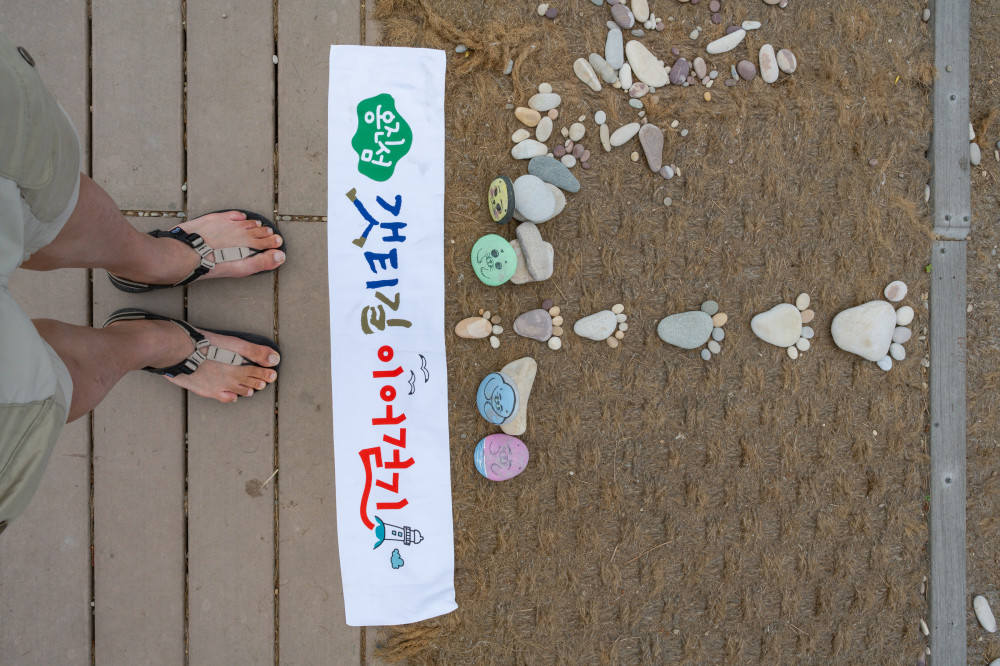

The broad, pristine pebble beach offers a uniquely relaxing experience. You can walk across the stones barefoot or simply sit down to enjoy a moment of quiet reflection. The gentle clattering sound of the pebbles shifting with each incoming and outgoing wave adds another layer to the sensory experience, creating a soothing natural soundtrack.
Kongdol Pebble Beach is also a living geological textbook, illustrating how Baengnyeongdo's bedrock has evolved to form today's coastline. At the same time, it plays an important role in maintaining the island's ecosystem. Designated as Natural Monument No. 392 of Korea, the site is protected by law, and removing any pebbles from the beach is strictly prohibited.
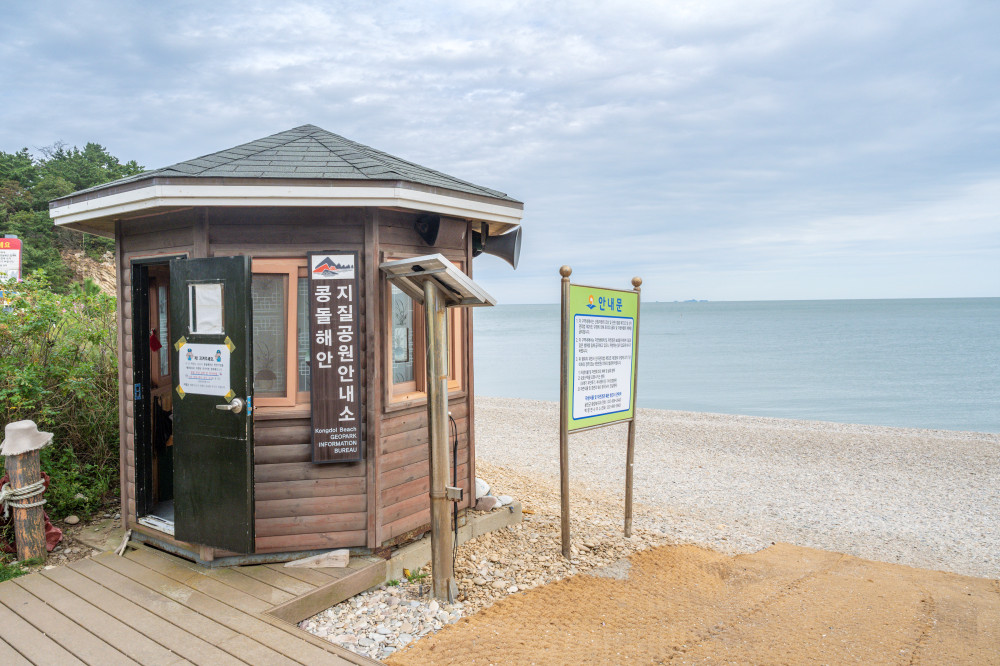
- Address1764-6, Nampo-ri, Baengnyeong-myeon, Ongjin-gun, Incheon
- Inquiries032-899-3510
- Websitewww.ongjin.go.kr/tour
SPOT4 Yongteurim Rock
Take in the magnificent view of a soaring dragon in flight
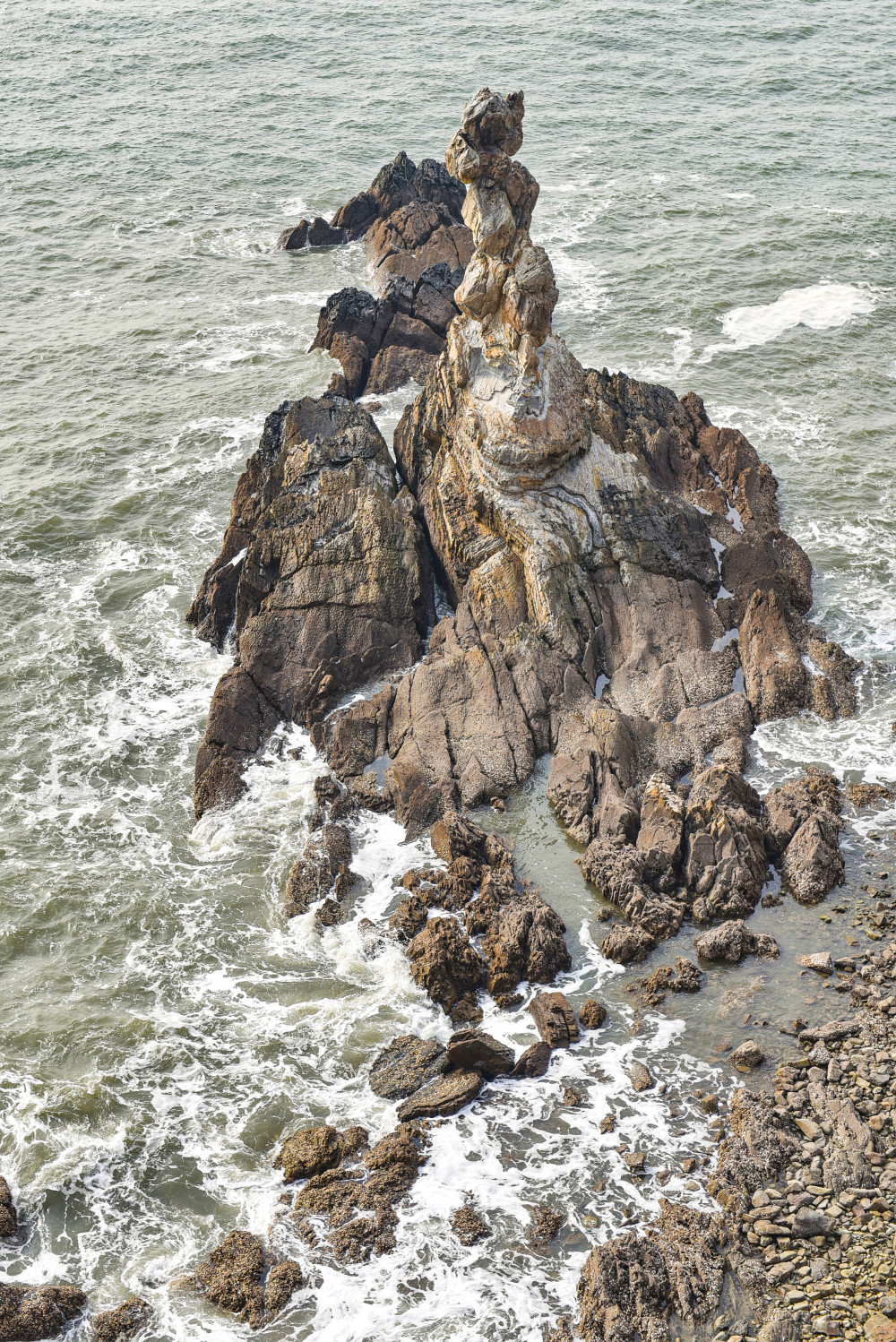
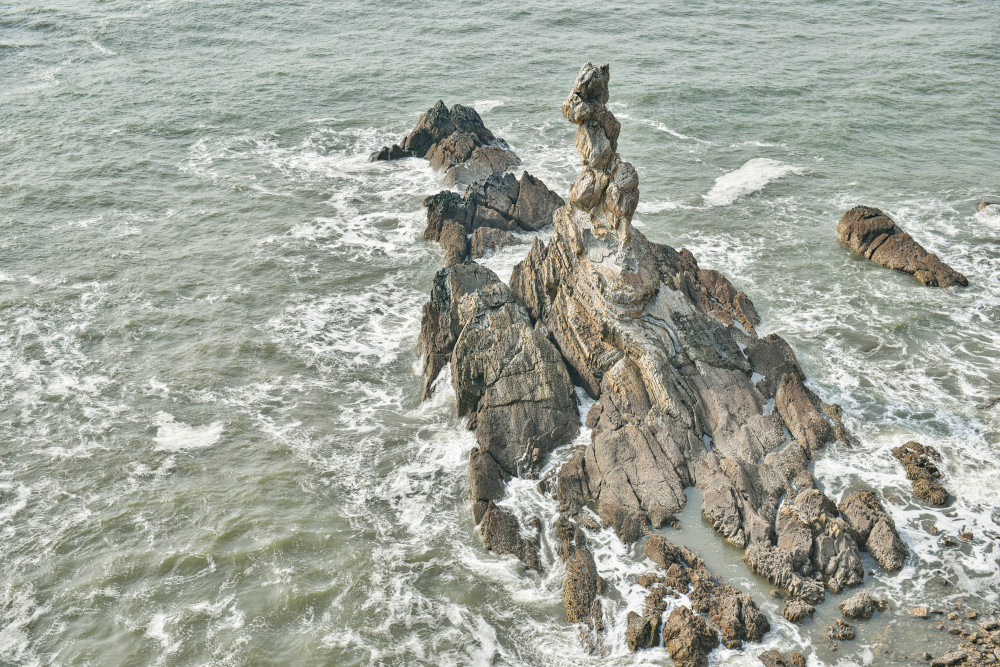
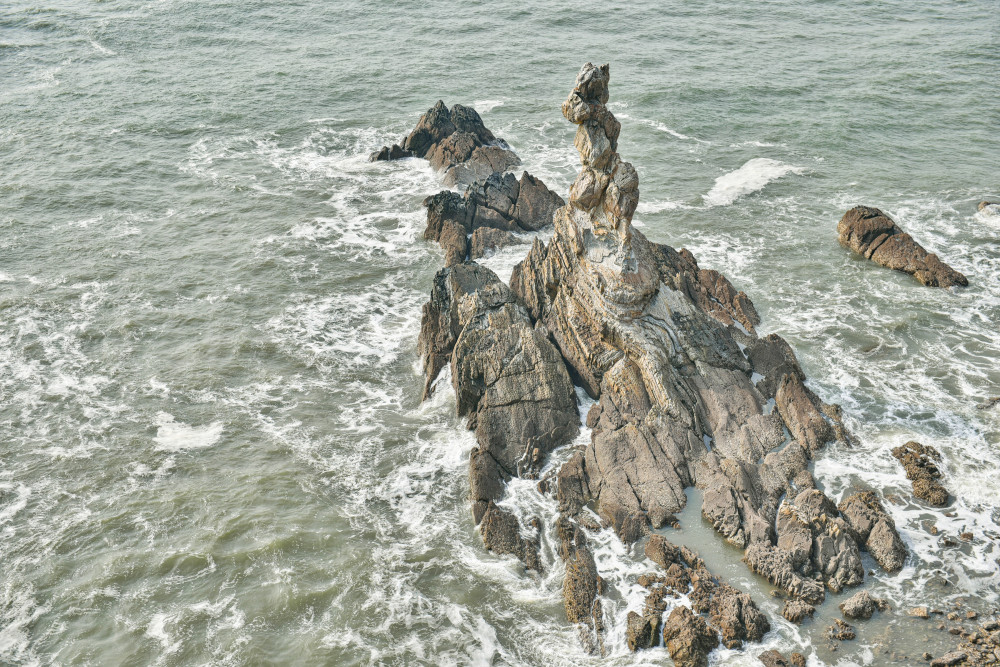
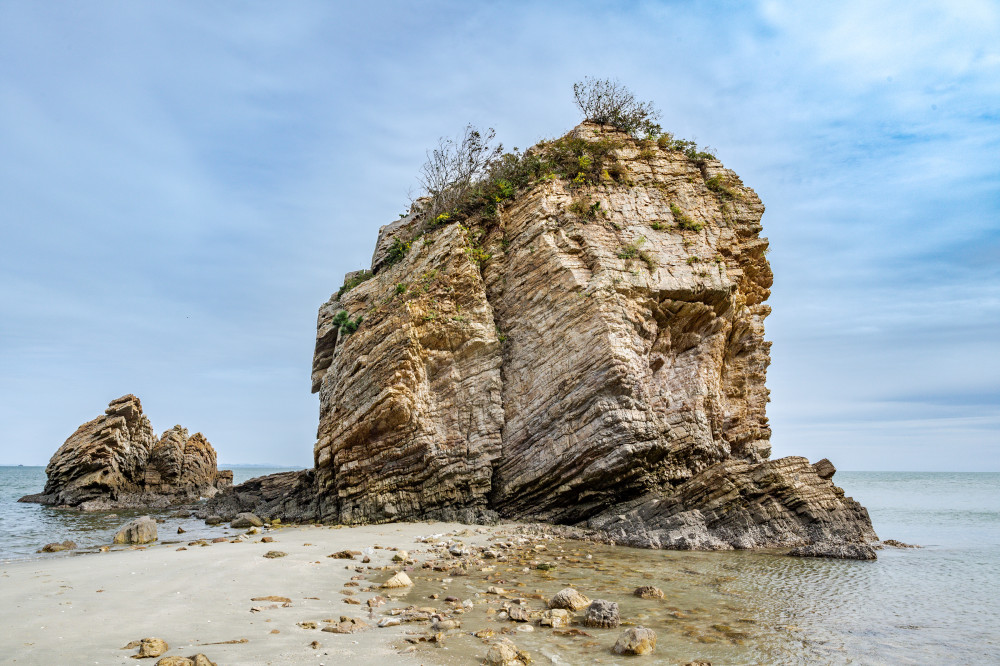
Yongteurim Rock resembles a dragon twisting its body as it ascends into the sky. Formed over the course of one billion years, this towering sea stack is one of Baengnyeongdo's most remarkable geological landmarks. Layers of sand and mud gradually accumulated into sedimentary rock, which was later shaped by tectonic activity, erosion, and weathering over immense spans of time, resulting in the striking formation seen today.
Together with the Fold Structure in Nampo-ri, Yongteurim Rock is recognized for its outstanding geological significance and is considered one of the most dramatic natural attractions on Baengnyeongdo Island. Standing steadfast against relentless waves and strong winds, the rock allows visitors to experience both the immense power of nature and the enduring passage of geological time.
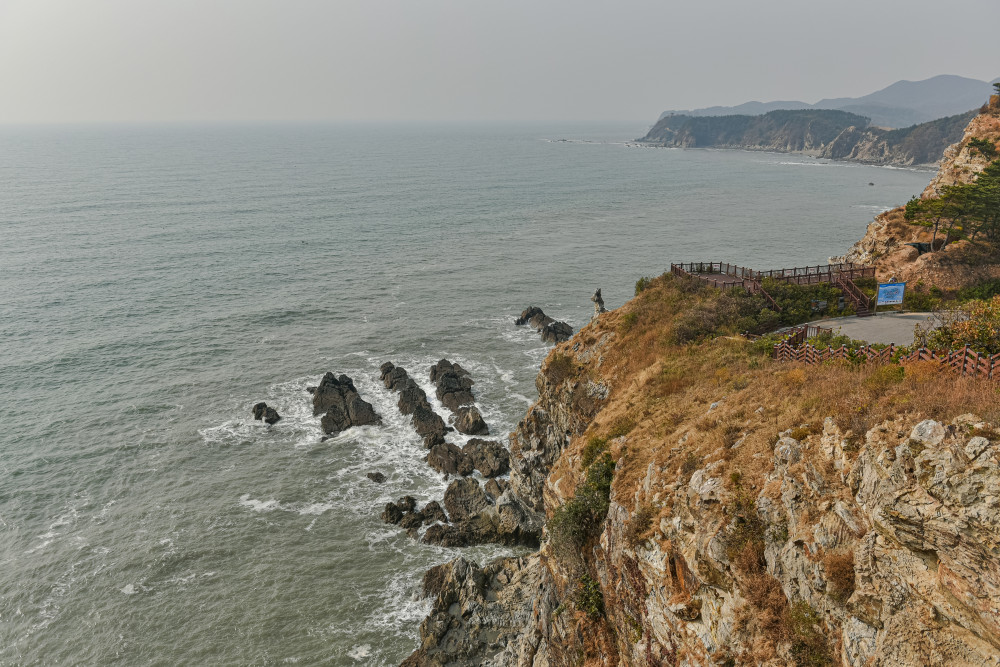
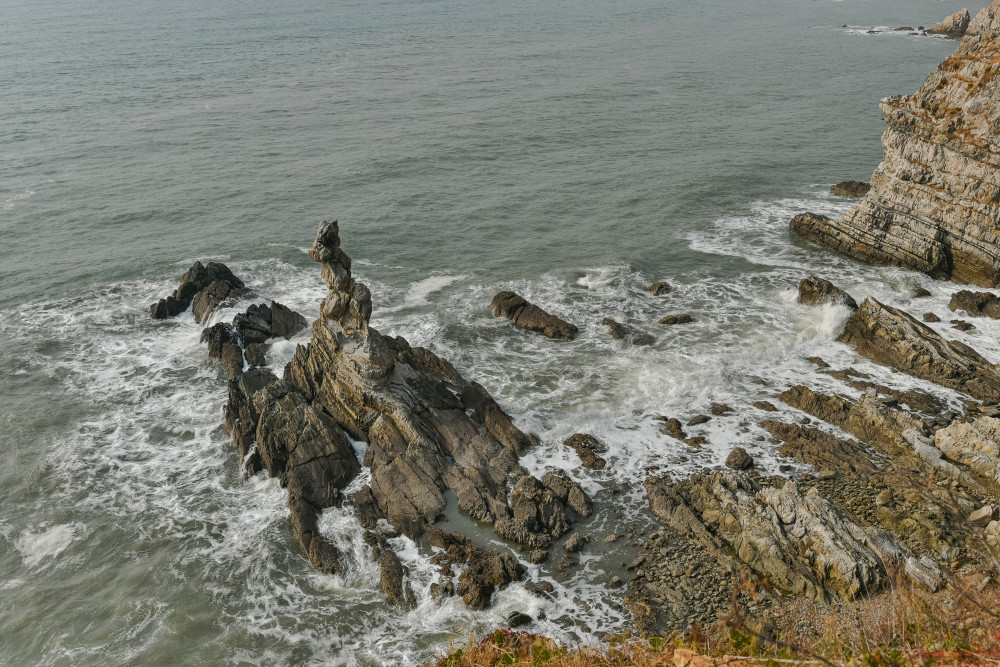
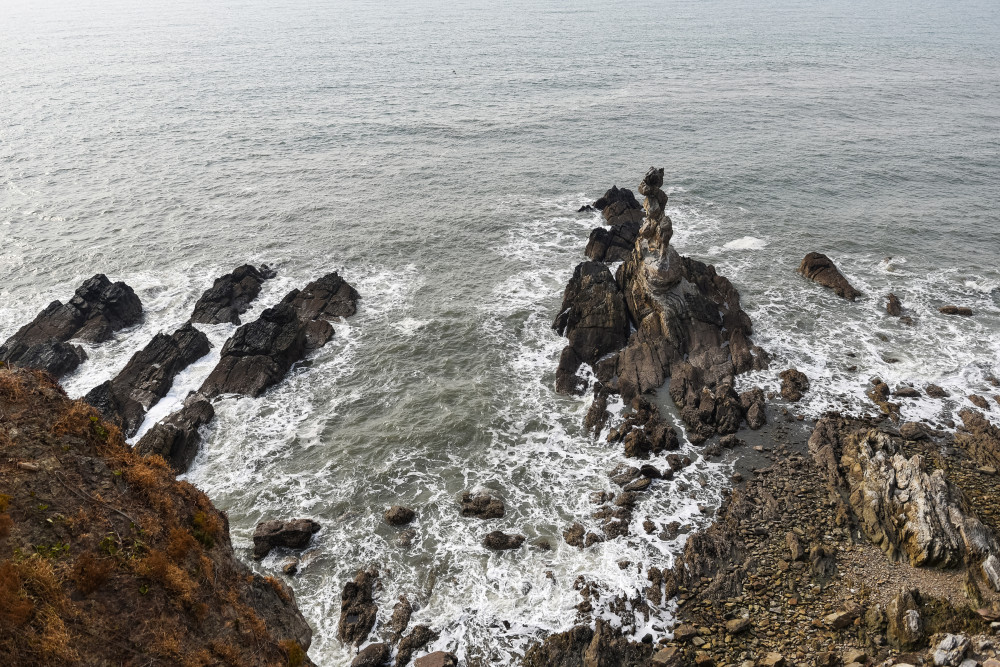
Blending harmoniously with the surrounding coastal landscape, Yongteurim Rock is often regarded as a natural work of art. It is therefore a favorite spot for photographers seeking to capture some of the island’s most spectacular scenery.
- AddressNampo-ri, Baengnyeong-myeon, Ongjin-gun, Incheon
- Inquiries032-899-3510
- Websitewww.ongjin.go.kr/tour
SPOT5 Kkeutseom Observatory
Where Baengnyeongdo meets the North
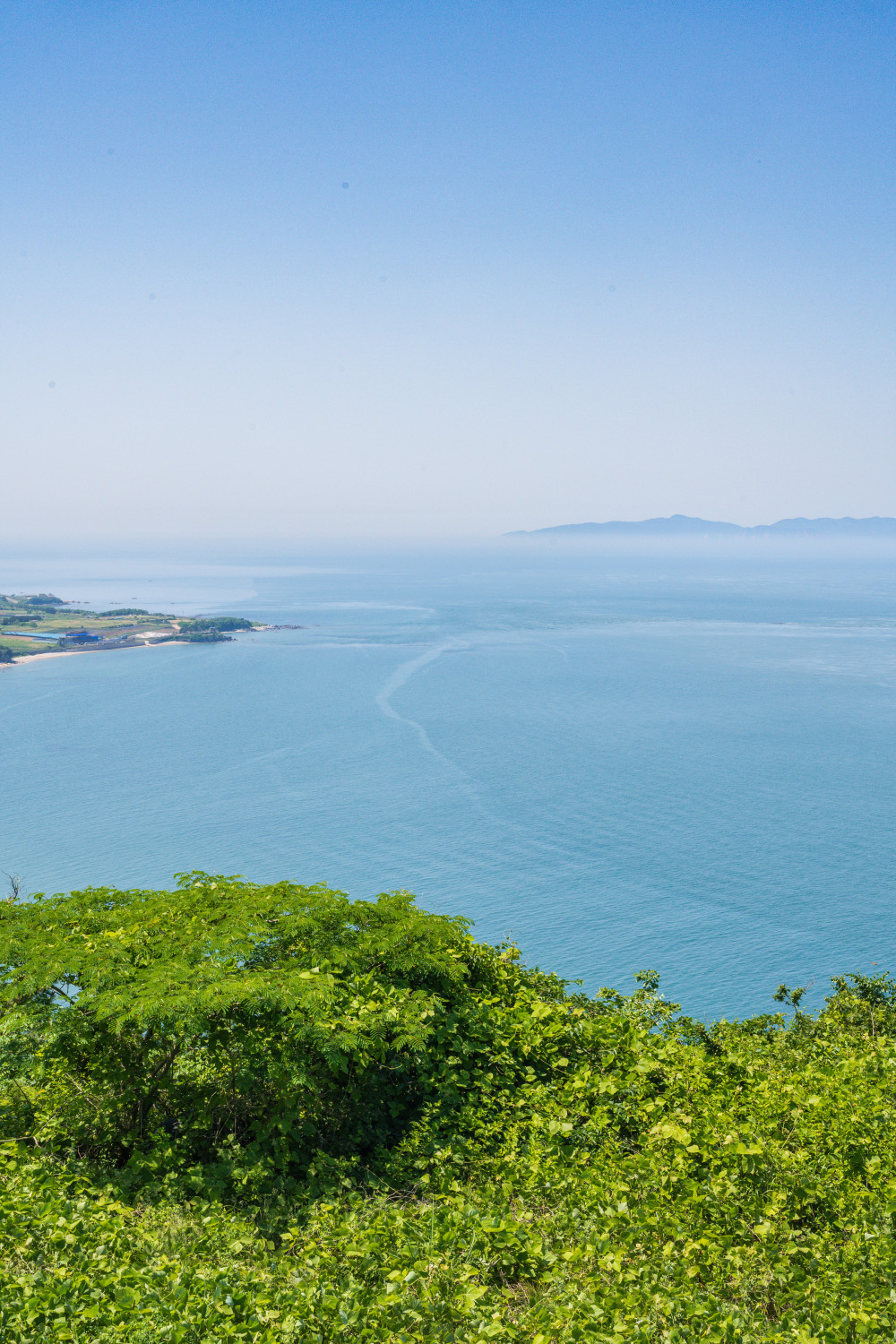
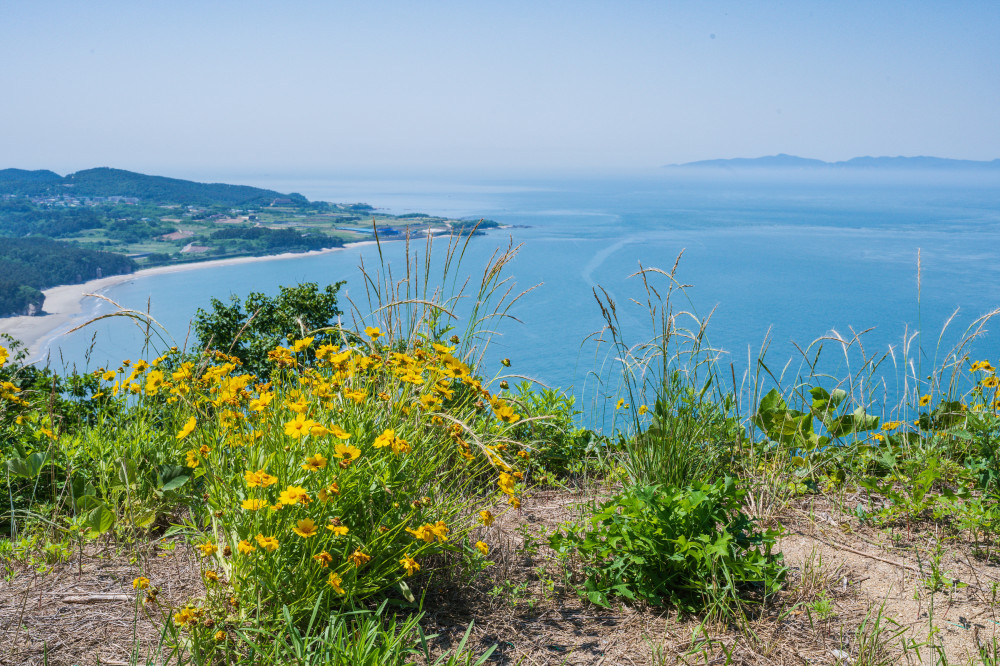
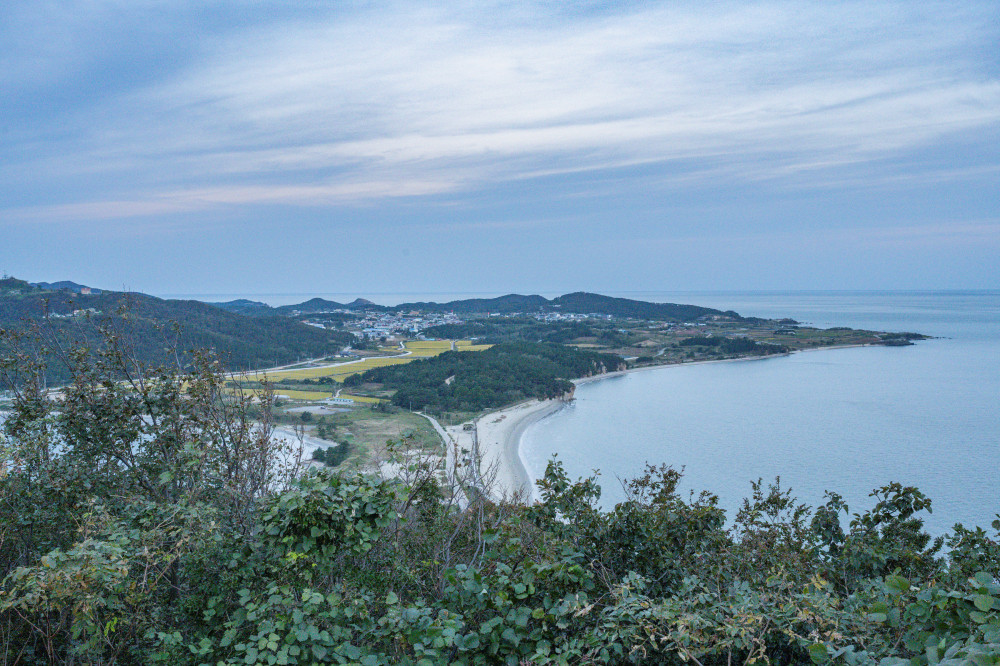
Kkeutseom Observatory is the best spot to appreciate the geographical character of Baengnyeongdo Island. Perched atop Yonggiwonsan, the island’s second-highest peak, the observatory offers sweeping views of the graceful curve of Sagot Beach, the coastline around Hani Beach, and the island’s inland freshwater lake.
The observatory's true significance, however, becomes apparent when looking north toward Jangyeon County in Hwanghae Province, just 10 km away. Even without binoculars, the mountains and coastline of North Korea are clearly visible. Standing here, visitors gain a firsthand sense of Baengnyeongdo's unique location and the geopolitical tension that has long defined this border island.
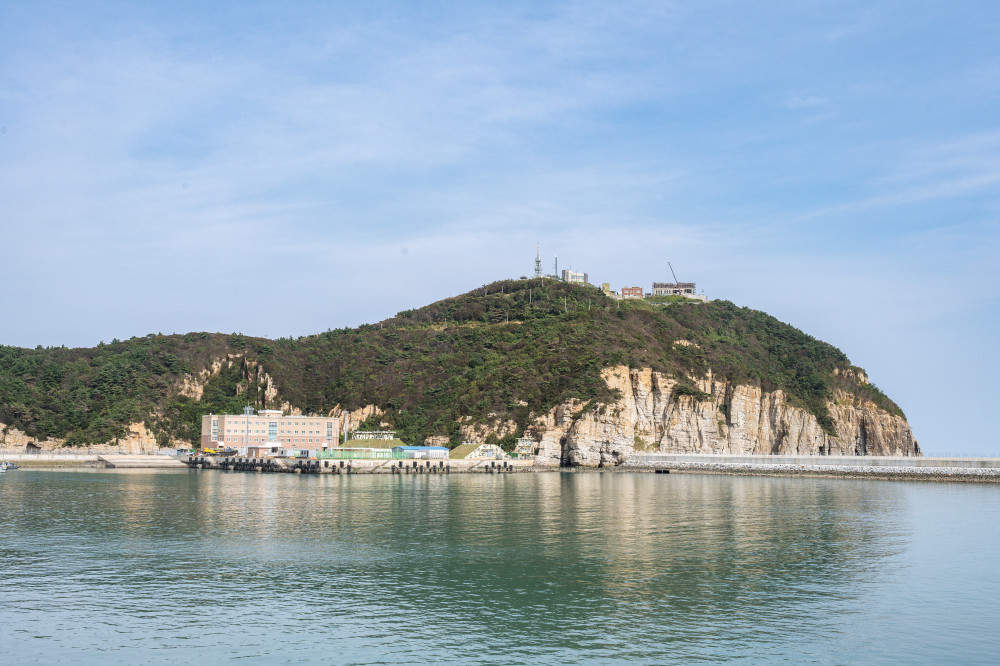
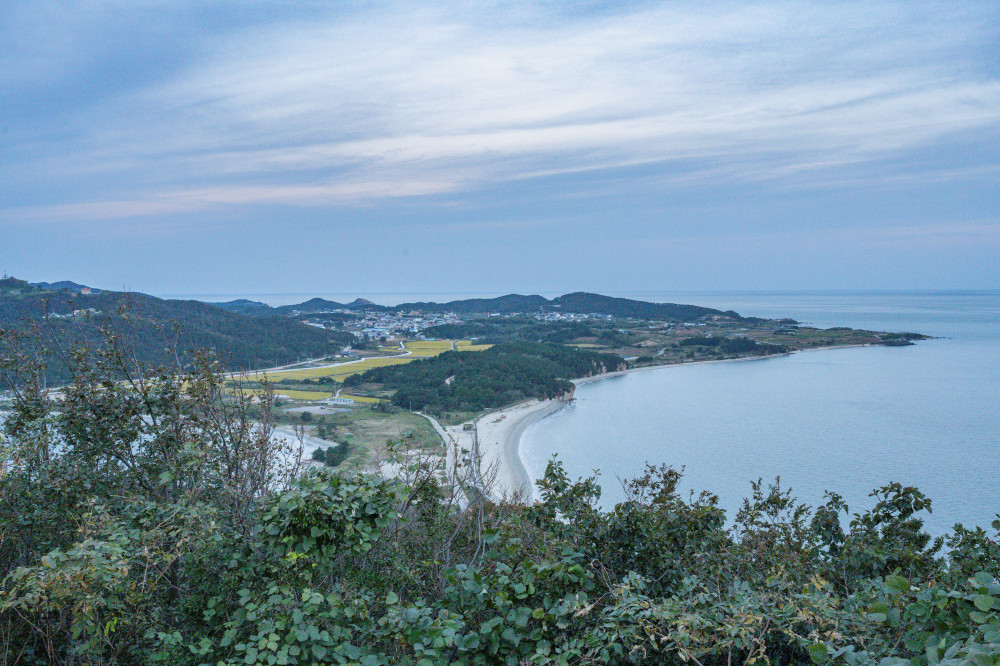
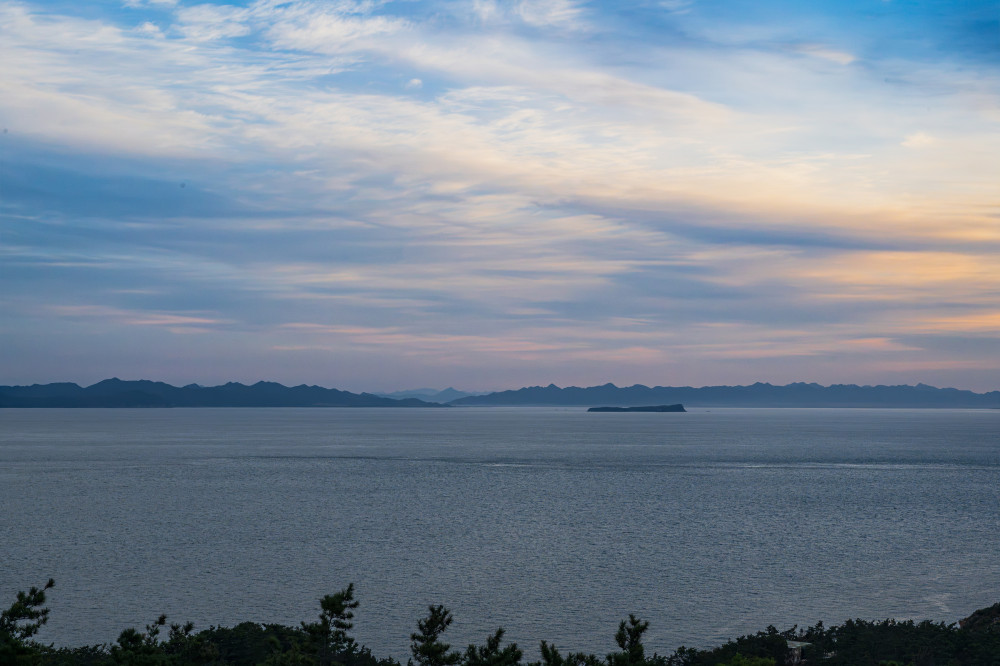

Once a strategically important military site where civilian access was strictly restricted, Yonggiwonsan has since been transformed into one of Baengnyeongdo's most symbolic tourist attractions. Today, the self-guided observatory places virtually no restrictions on photography, making it an ideal spot for capturing spectacular panoramic views.
Inside the observatory is an exhibition hall showcasing the geological and ecological significance of Baengnyeongdo. Displays include rock specimens illustrating the island's geological evolution, video footage of the spotted seal—a designated Natural Monument of Korea—and exhibits highlighting the island's culture, history, ecology, and the everyday lives of its residents, providing visitors with a comprehensive introduction to everything the island has to offer.
- Address114-381, Baengnyeong-ro, Baengnyeong-myeon, Ongjin-gun, Incheon
- Inquiries032-899-3510
- Websitewww.ongjin.go.kr/tour
SPOT6 Simcheonggak
Where a classic tale meets the reality of division
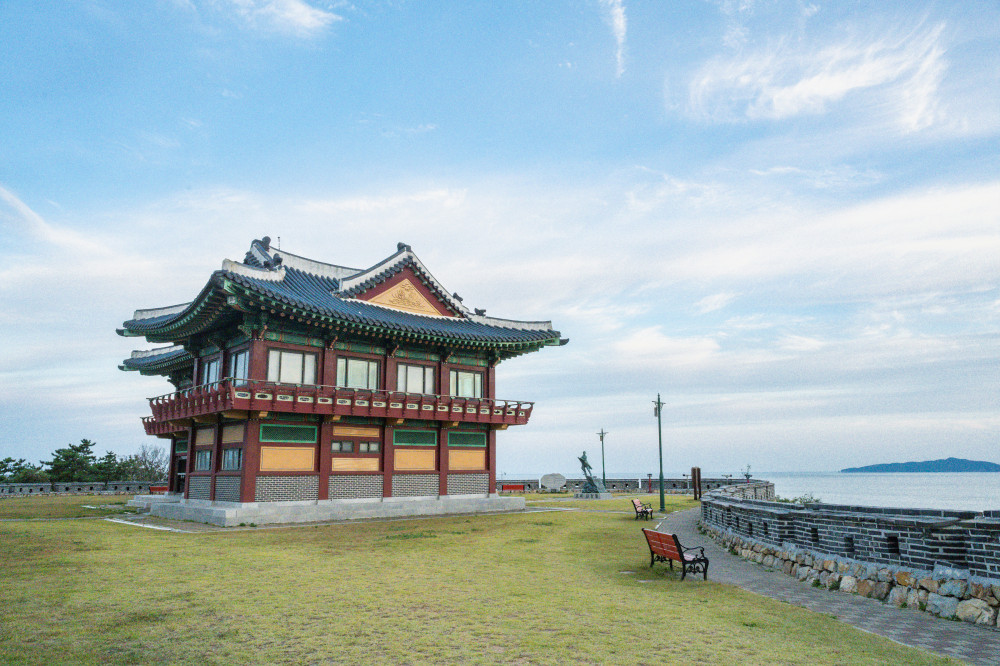
Simcheonggak stands on a hillside overlooking Indangsu and Yeonbong Rock, the legendary setting of the classic Korean novel The Tale of Sim Cheong. The waters between Baengnyeongdo and Jangsan Cape have long been known for their swift currents and rough seas. For generations, sailors offered prayers here, hoping for safe passage before setting out on their voyages.
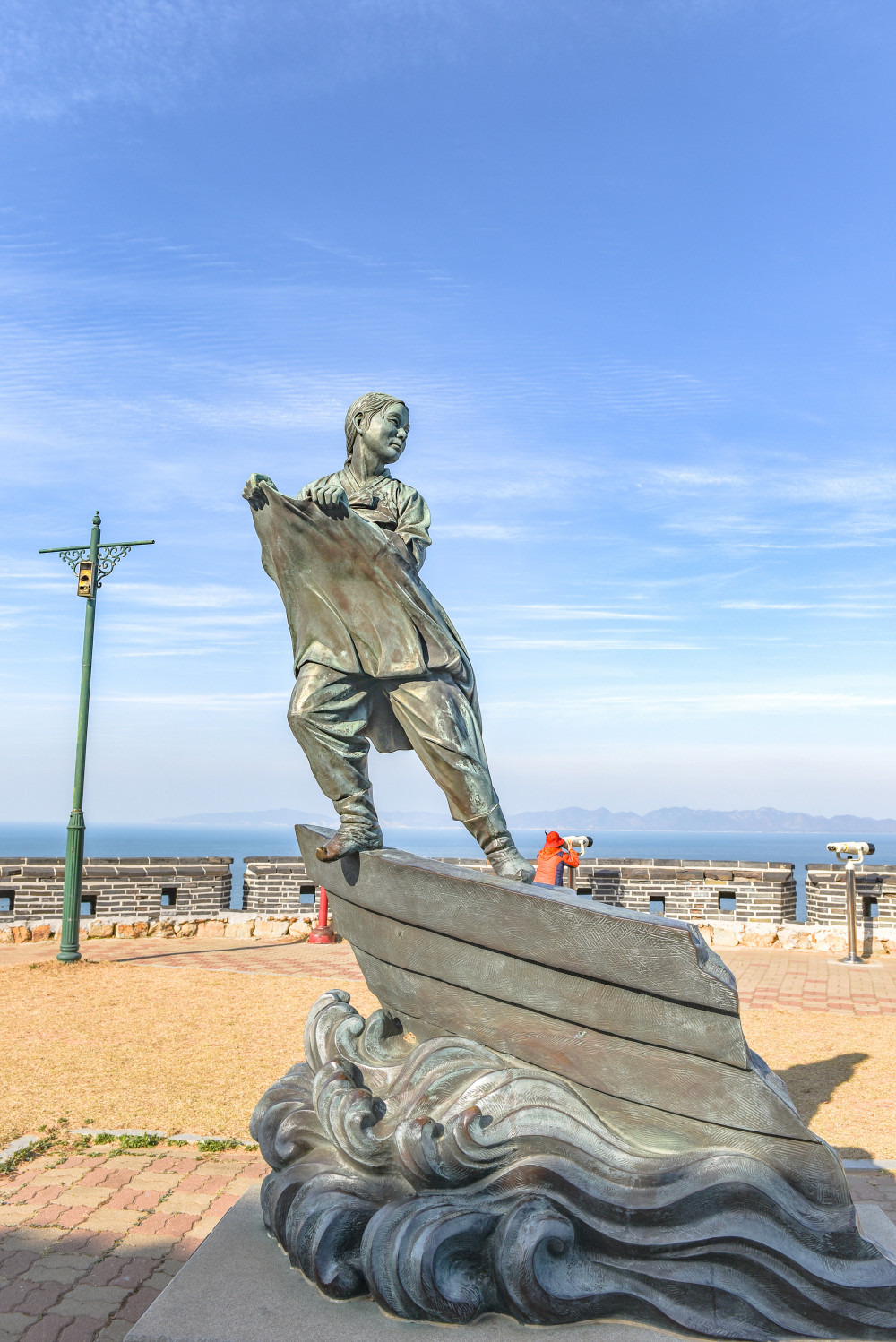
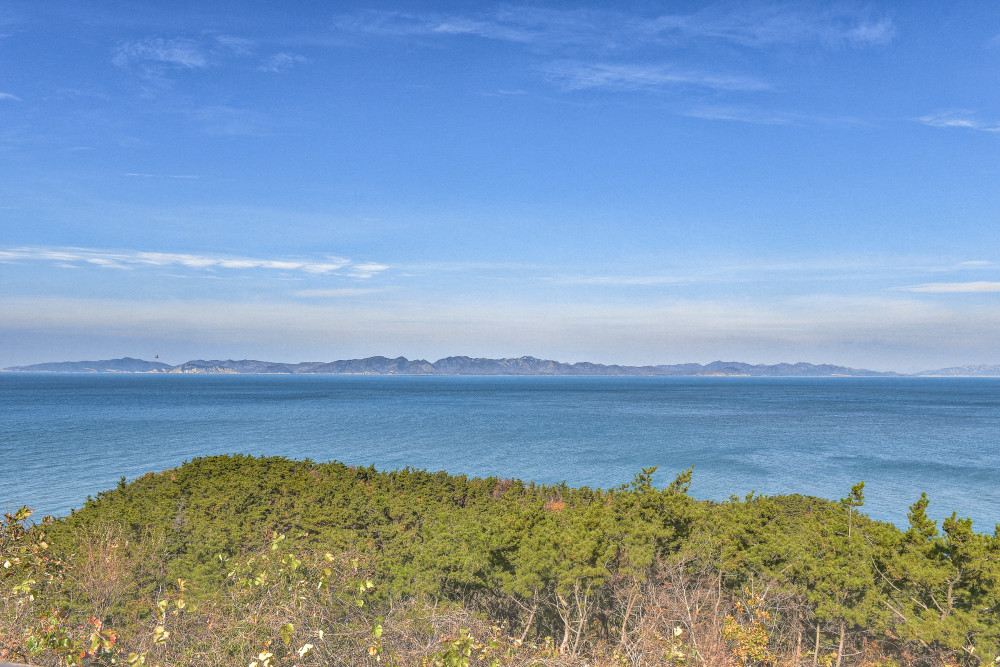
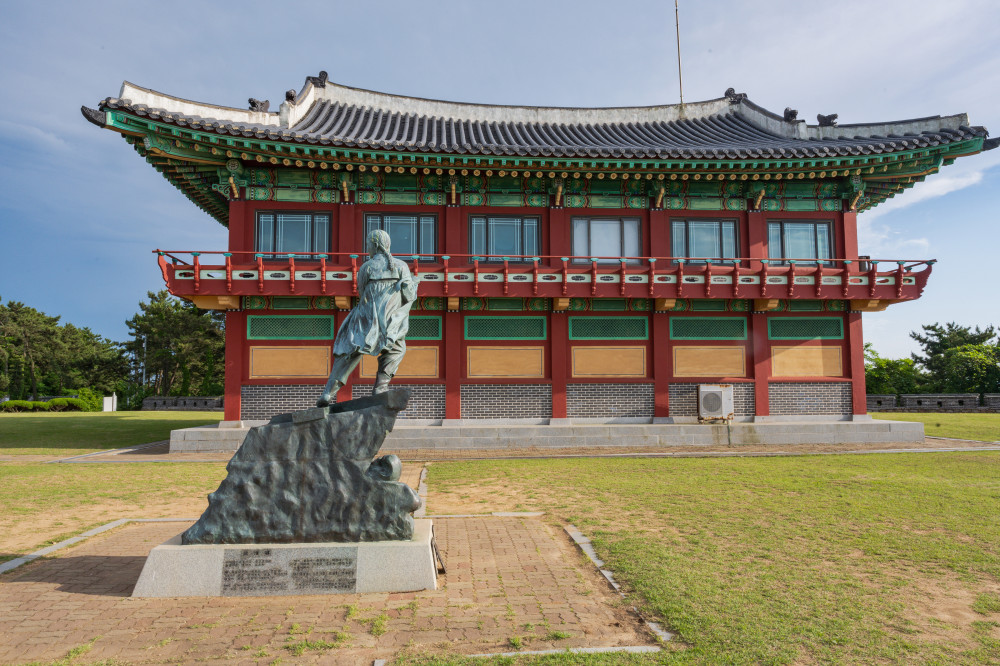

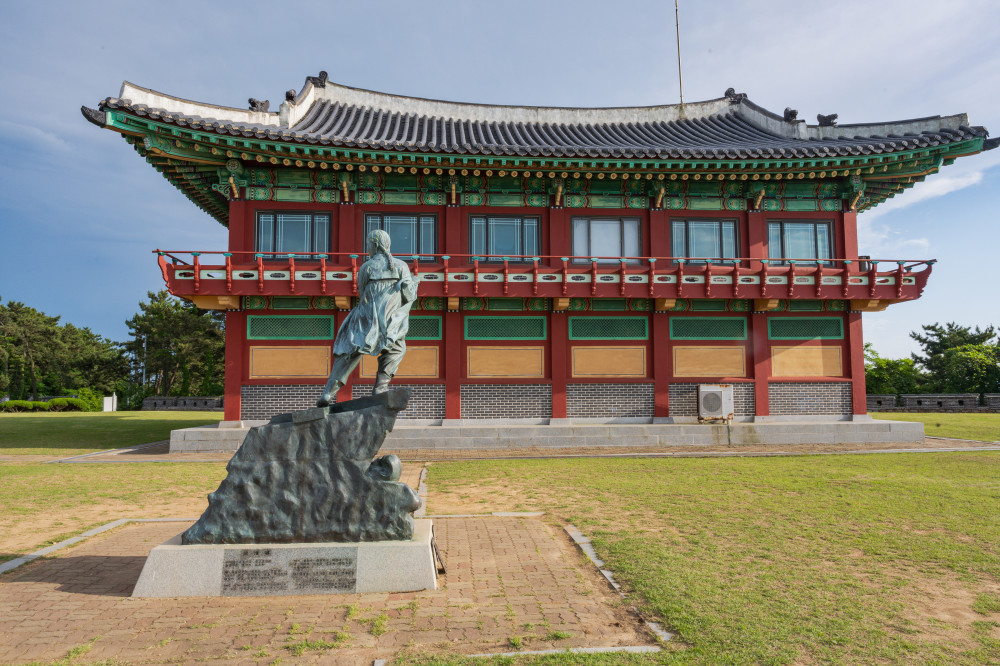
Today, Simcheonggak serves both as a place to honor the longing of war refugees forced to leave their hometowns and as an educational site reflecting the reality of the Korean Peninsula’s division. Looking through the telescope on the observation deck toward the Yongyon Peninsula in Hwanghae Province, which appears almost within reach, you can experience a striking overlap between the fictional world of The Tale of Sim Cheong and the realities of modern history. The sea into which Sim Cheong is said to have cast herself has, paradoxically, become a boundary separating North and South Korea.
- AddressSan 146-10, Jinchon-ri, Baengnyeong-myeon, Ongjin-gun, Incheon
- Inquiries032-899-3510
- Websitewww.ongjin.go.kr/tour
SPOT7 Other Attractions
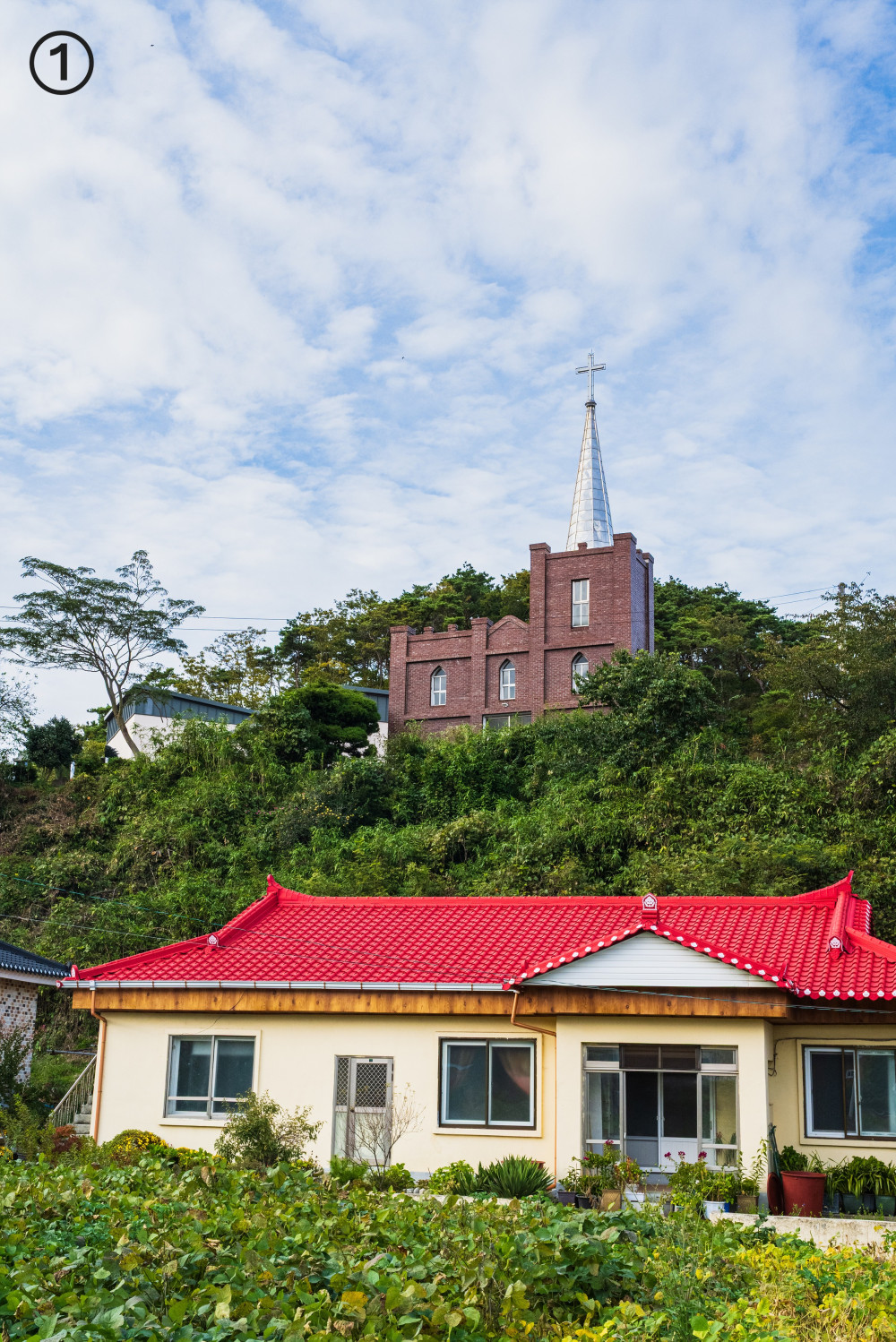
① Junghwa-dong Church
Established in 1898, Junghwa-dong Church on Baengnyeongdo is South Korea’s first self-established Protestant church and the second-oldest church in the country. It has stood alongside the island’s residents throughout their long history of overcoming hardship and building a life on this rugged island. In recent years, the Korean Christian Island Memorial Park and a restoration project have been completed, transforming the site into a peaceful place where residents and visitors alike can relax, reflect, and meditate.
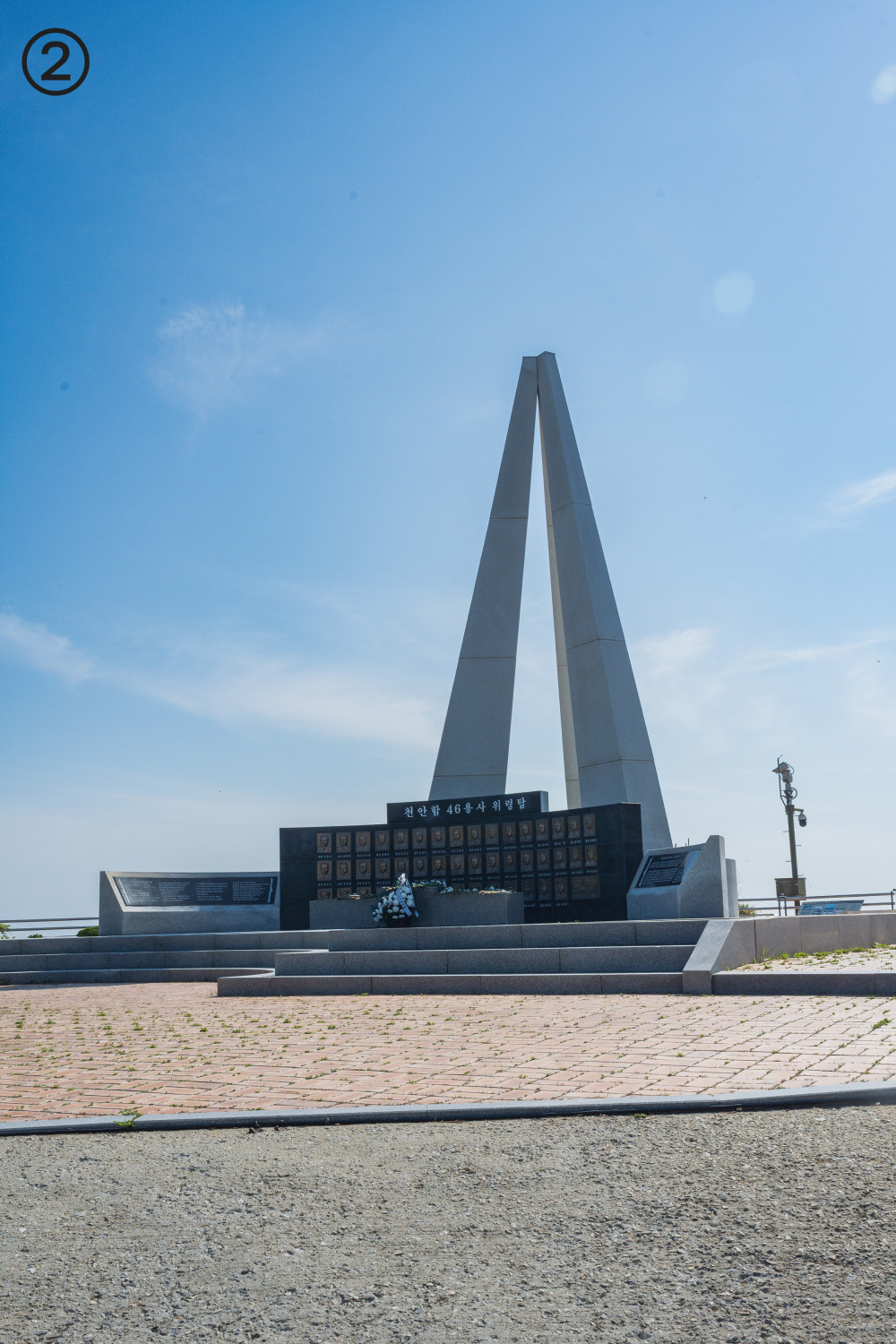
② Corvette Cheonan Cenotaph
Standing on a coastal hill in Yeonhwa-ri, the memorial tower commemorates the 46 sailors who lost their lives while defending Korea's waters aboard the ROKS Cheonan. Bronze reliefs beneath the pillar-shaped monument faithfully depict the faces and names of all 46 fallen servicemen. The hill overlooks the very waters where the incident occurred, offering a place where the tranquil scenery of the West Sea is juxtaposed with the sobering reality of Korea's front-line security.
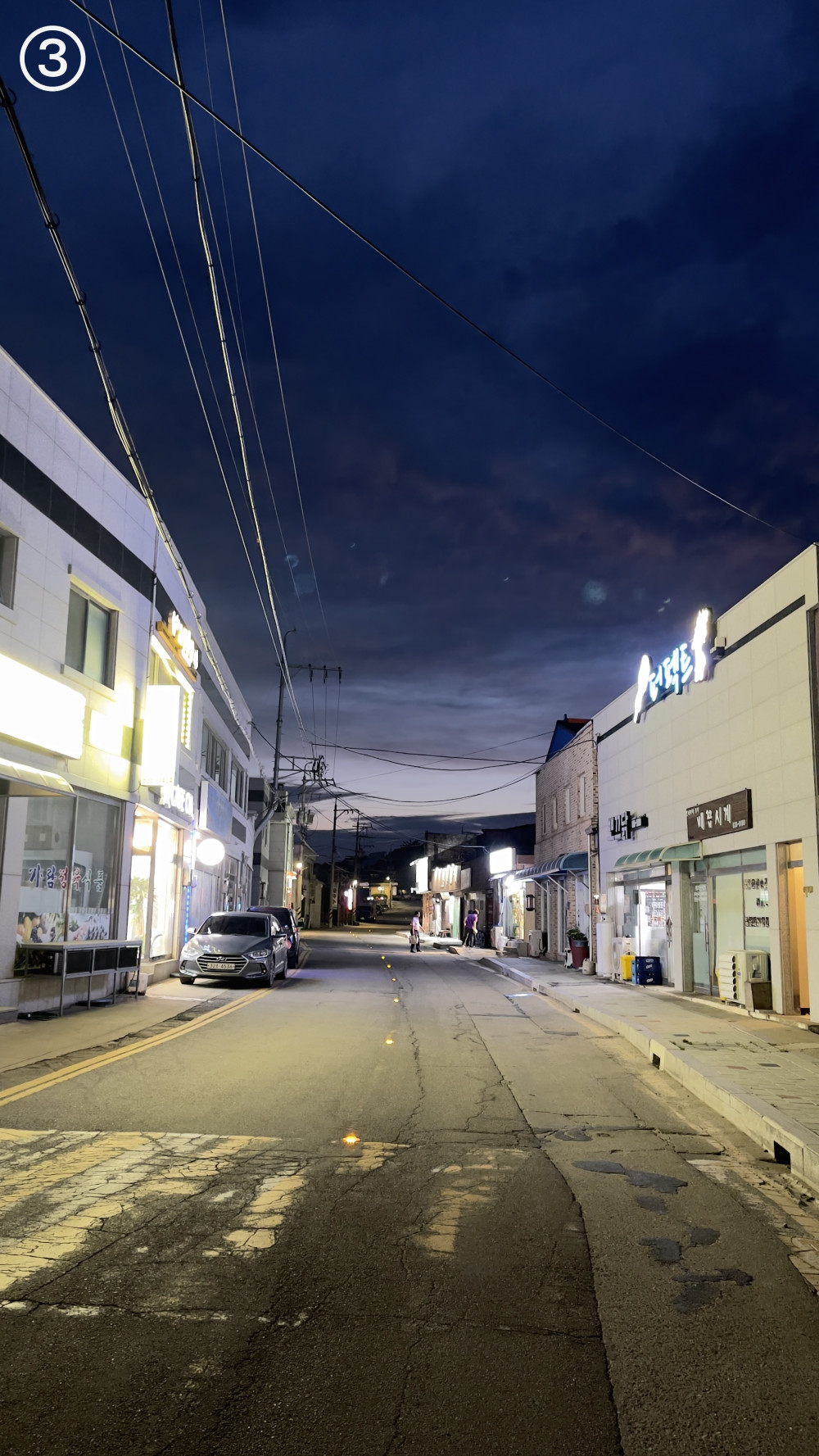
③ Jinchon-ri
Jinchon-ri is the administrative and commercial heart of Baengnyeongdo Island. With its restaurants, cafés, convenience stores, and a wide range of accommodations, it serves as an ideal base for exploring the island. Even after sunset, when security measures become more stringent across the island, Jinchon-ri remains lively and welcoming. The streets, where modern franchise businesses stand alongside long-established local eateries, offer visitors a glimpse of the unique atmosphere of an island downtown.
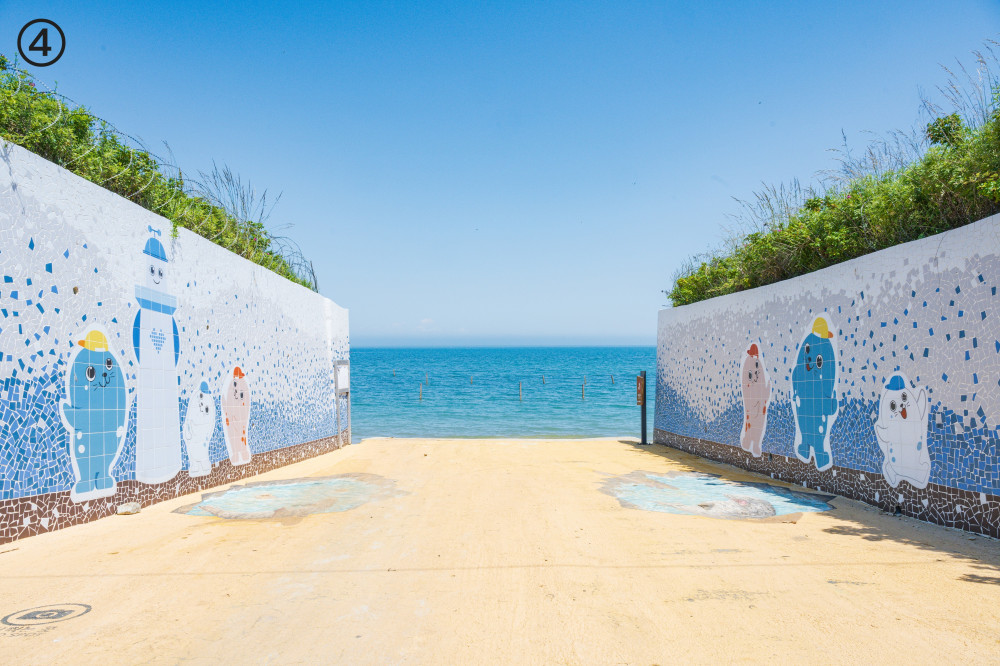
④ Hani Beach
Located on the northeastern coast of Baengnyeongdo Island, Hani Beach is one of the island’s primary habitats for the spotted seal, a designated Natural Monument of Korea. As with any wildlife, sightings are never guaranteed—they depend on the tides, the weather, and a bit of luck. Telescopes installed along the shore allow visitors to get a closer look at the seals whenever they appear. Characterized by its pebble shoreline, Hani Beach is one of the island’s premier ecological destinations and an ideal sport for a leisurely walk while taking in the refreshing coastal scenery.
🍱 Baengnyeongdo: An Island of Culinary Delights
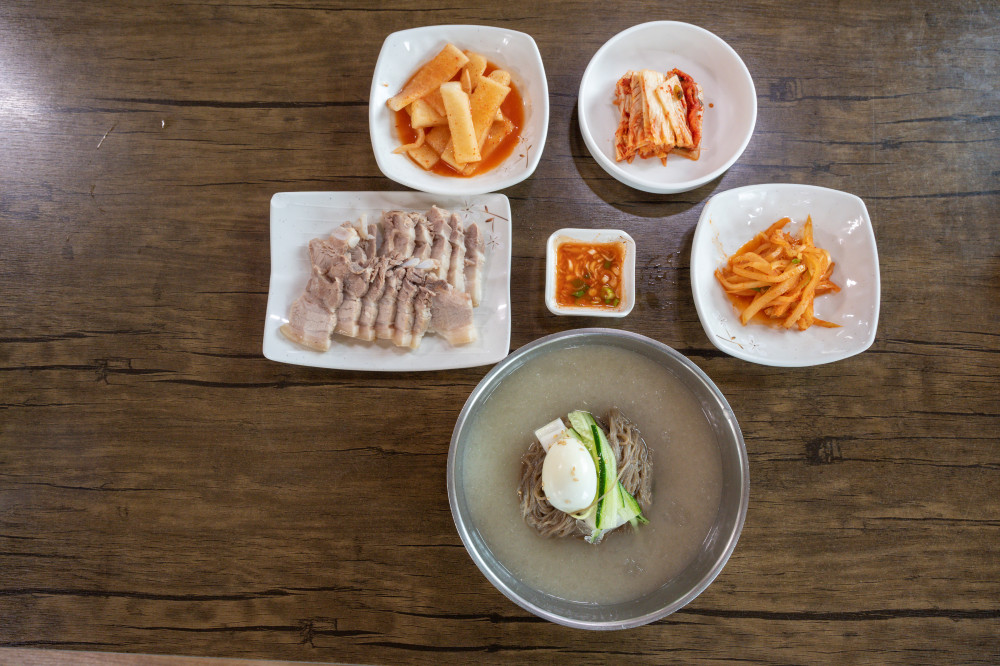

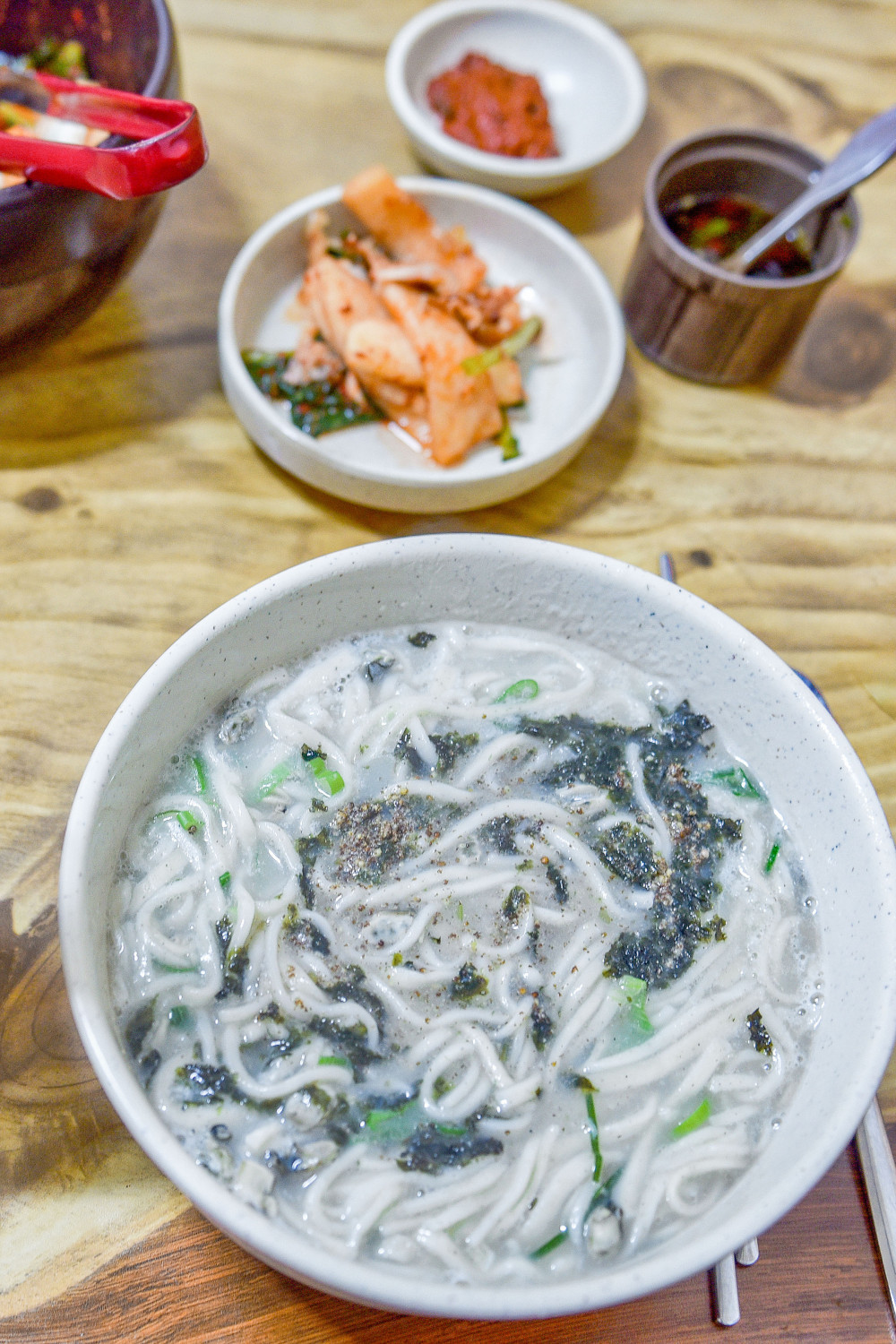
Baengnyeongdo’s culinary culture is deeply rooted in traditional local cuisine passed down through generations. At the heart of it is buckwheat, a hardy crop that thrives even in the island’s barren soil. For centuries, residents have planted buckwheat as a second crop after harvesting barley, using it to prepare a variety of dishes such as hand-pulled dough soup (sujebi) and savory pancakes. Although buckwheat cultivation once declined due to imported varieties, Ongjin-gun has revitalized the tradition by establishing dedicated fields for native buckwheat.
The island’s best-known specialty is Sagot Naengmyeon. This cold noodle dish features buckwheat noodles served in a rich pork bone broth, seasoned with kanari fish sauce made from sand lance caught in the pristine waters of the Five West Sea Islands. Other local delicacies include buckwheat kalguksu, with a clean yet hearty broth flavored with fresh oysters, and Jjanji Tteok, a steamed rice cake made by wrapping aged kimchi and oysters in a thick dough—both specialties unique to Baengnyeongdo Island.
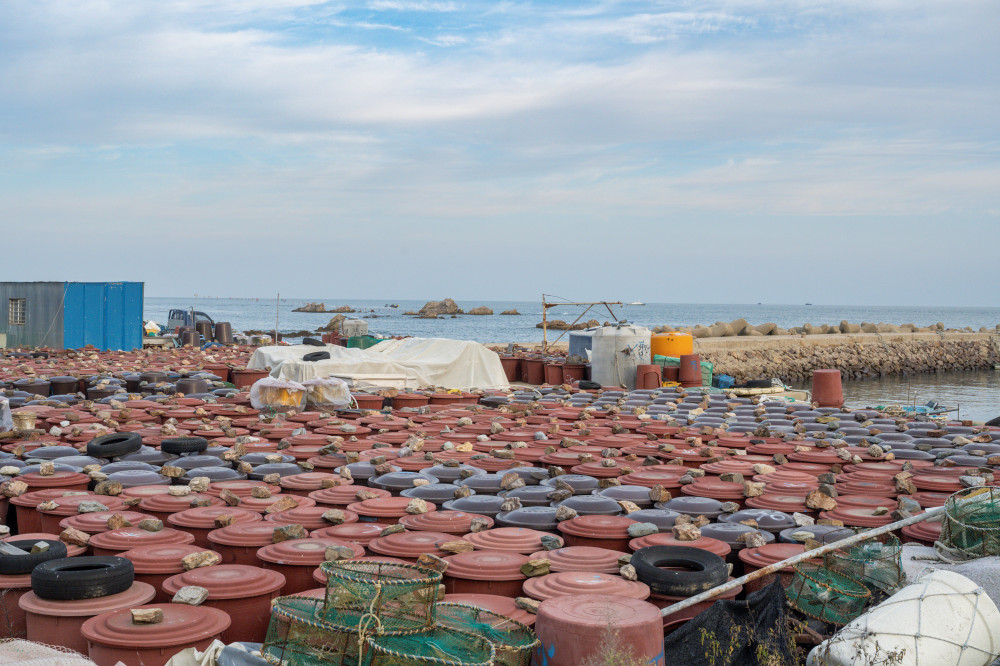
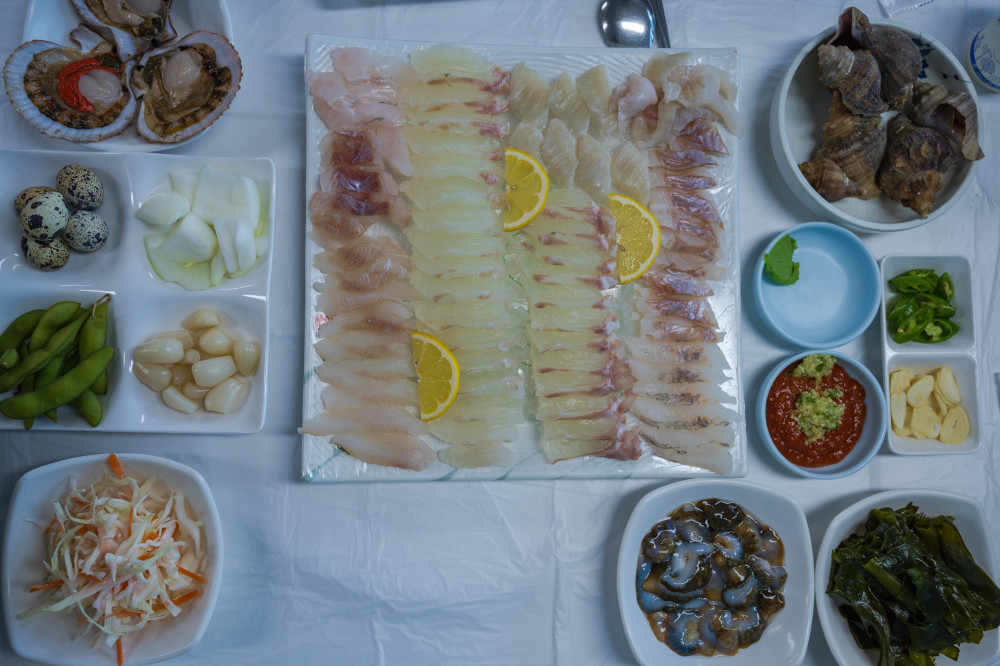
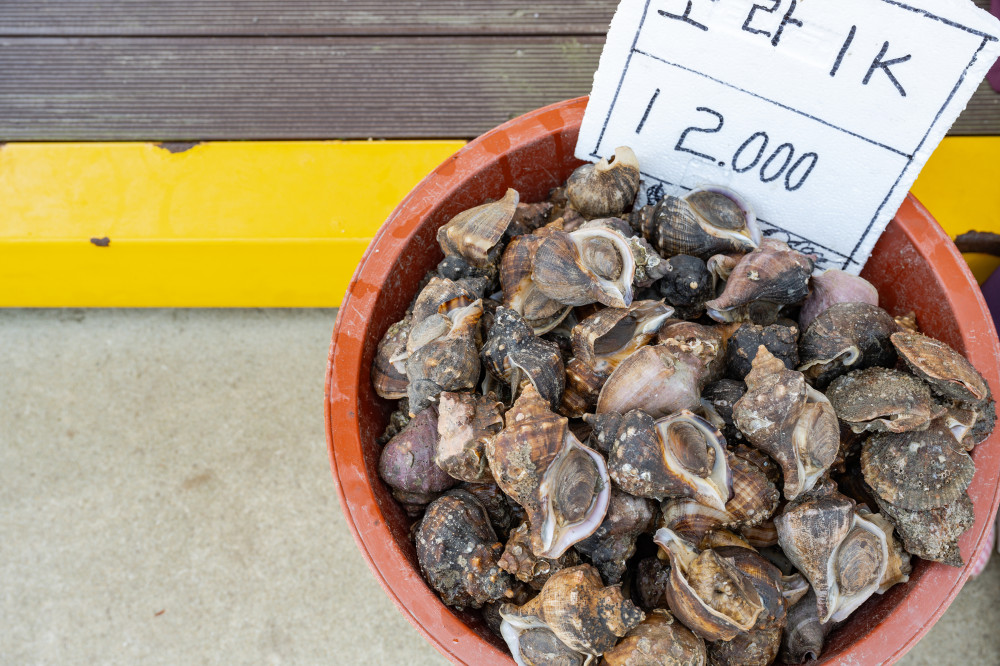
Dining options also vary depending on where your journey takes you. Around the Baengnyeong-myeon Office and the military area in Bukpo-ri, you'll find long-established naengmyeon restaurants and local eateries that have served residents for decades. If you make your way to Dumujin Port, famous for its dramatic rock formations, you can enjoy a generous platter of freshly caught wild sashimi straight from the surrounding waters.
🚤 Tips for Traveling Around Baengnyeongdo Island
With more than 50 km of coastline, reliable transportation is essential for exploring Baengnyeongdo Island. Renting a car or booking an accommodation package that includes a rental car is highly recommended. Although local buses connect the island’s major attractions, keep in mind that they typically run at two-hour intervals, making them less convenient for flexible sightseeing.
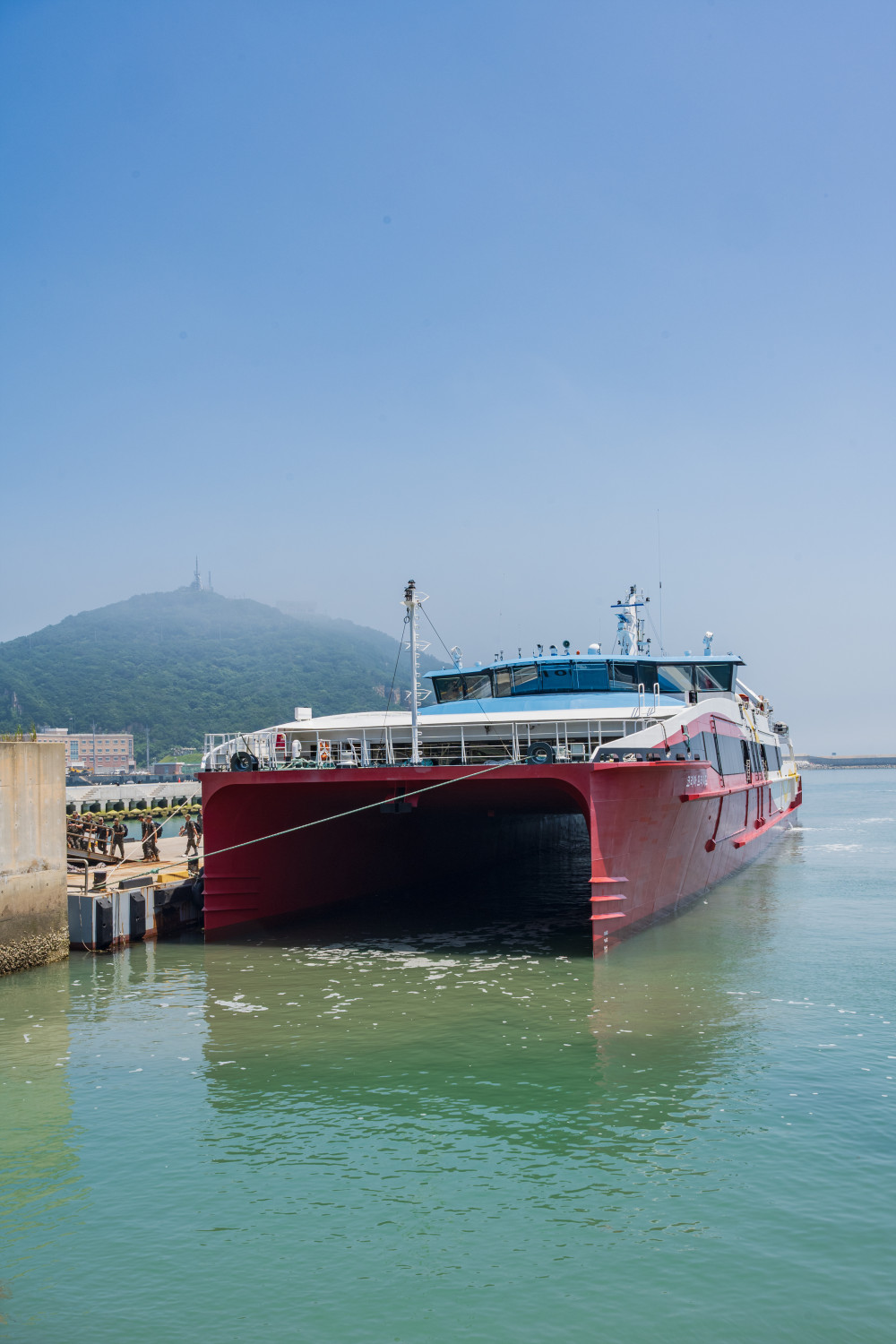
Since the winter of 2023, the Pureun Narae Ferry has been operating twice daily between Baengnyeongdo, Daecheongdo, and Socheongdo, making it much easier to extend your itinerary and explore the neighboring islands as part of the same trip.
To enrich your visit, be sure to explore the Baengnyeong–Daecheong National Geopark website. One of its highlights is the free geological interpreter program, which adds a deeper dimension to your journey. Rather than simply admiring the scenery, you’ll gain fascinating insights into the island’s one-billion-year-old geological heritage. It’s also an excellent educational experience for families traveling with children.
- - Baengnyeong–Daecheong National Geopark: bdgeopark.kr
- - Korea Shipping Association Ferry Reservations: island.theksa.co.kr

-
- 29 Jeonggak-ro (1138 Guwol-dong), Namdong-gu, Incheon 21554, Korea
- TEL : +82-32-120 / FAX : +82-440-3009
Copyright 2020(c) Incheon Metropolitan City.
All right reserved. -
General Tourism Inquiries
1330 / 032-832-3031 -
ITOUR SNS


