


 7
7Island Travel Course in Incheon | A Billion Years of History: Daecheongdo Island, a Natural Windbreak


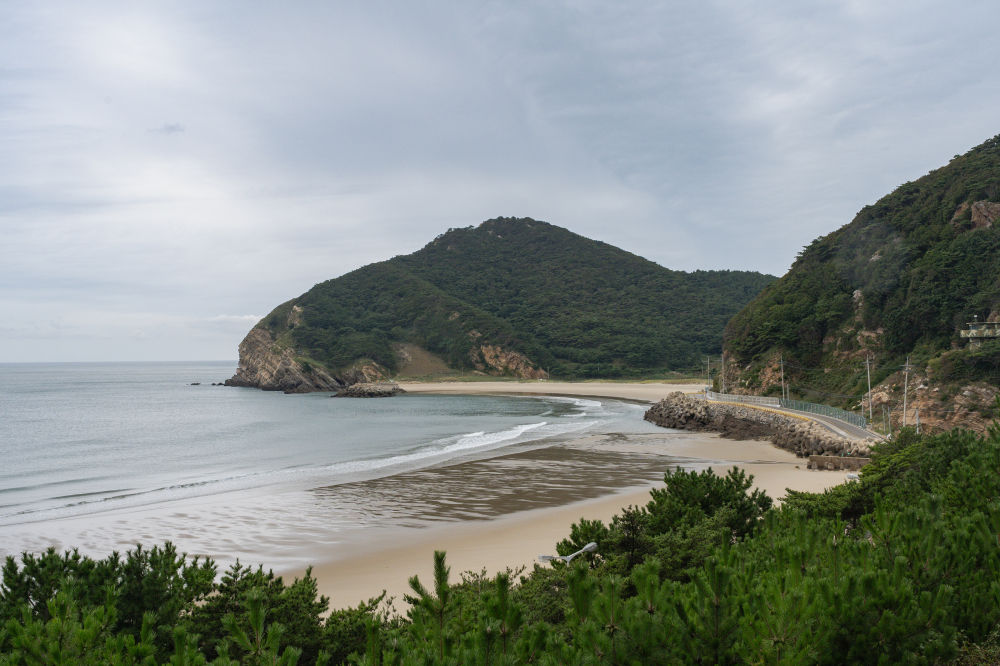
Daecheongdo Island lies along the same passenger ferry route as Socheongdo and Baengnyeongdo. Although all three islands share a location at the northernmost reaches of Korea’s West Sea, each has a character all its own.
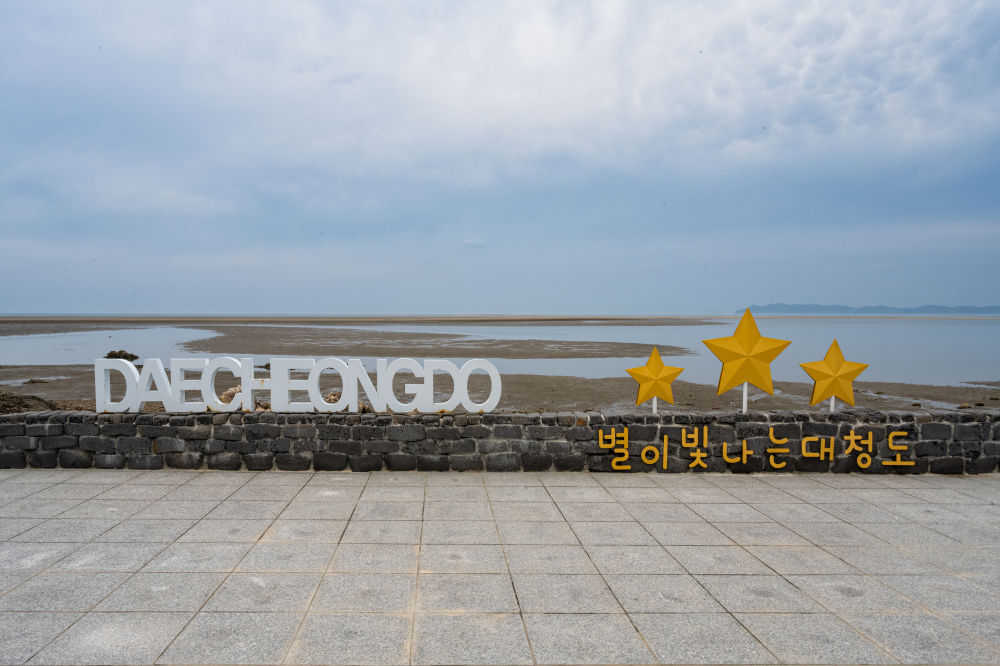
True to its name, Daecheongdo Island evokes an image of deep blue. Travelers arriving on the island are struck by a billion years of geological history unfolding amid layers of blue. It feels like stepping into an immense geological museum, where coastal landforms sculpted by waves and wind reveal breathtaking scenery at every turn. The island is also just the right size for exploring not only by car but also on foot or by bicycle.
There is more. Local geological guides bring the island’s stories vividly to life. Having experienced their dedicated guidance on several visits, I know firsthand how much they add to the journey. Anyone can easily request a guide through the Baengnyeong–Daecheong Geopark website.

Daecheongdo Island is also rich in culinary delights. Along with fresh seasonal seafood, it offers specialties that are hard to find elsewhere, including skate, pallaengi hoe (raw ray), and mussel kalguksu. The restaurant district near Seonjindong Port also offers a variety of à la carte dishes and traditional Korean set meals, rounding out a truly satisfying island journey.

Travel Writer Kim Min-soo Kim Min-soo has traveled to more than 300 islands across Korea. He is the author of Islands Are Wonderful, A Night on the Island, 100 Island Journeys in Korea, and several other books. Through magazines, newspapers, and television, he continues to share stories about Korea’s many islands. His work bridges the mainland and the islands, creating connections stronger and more enduring than any physical bridge.
SPOT1 Nongyeo Beach & Tree Ring Rock
A billion years of geological history written in stone
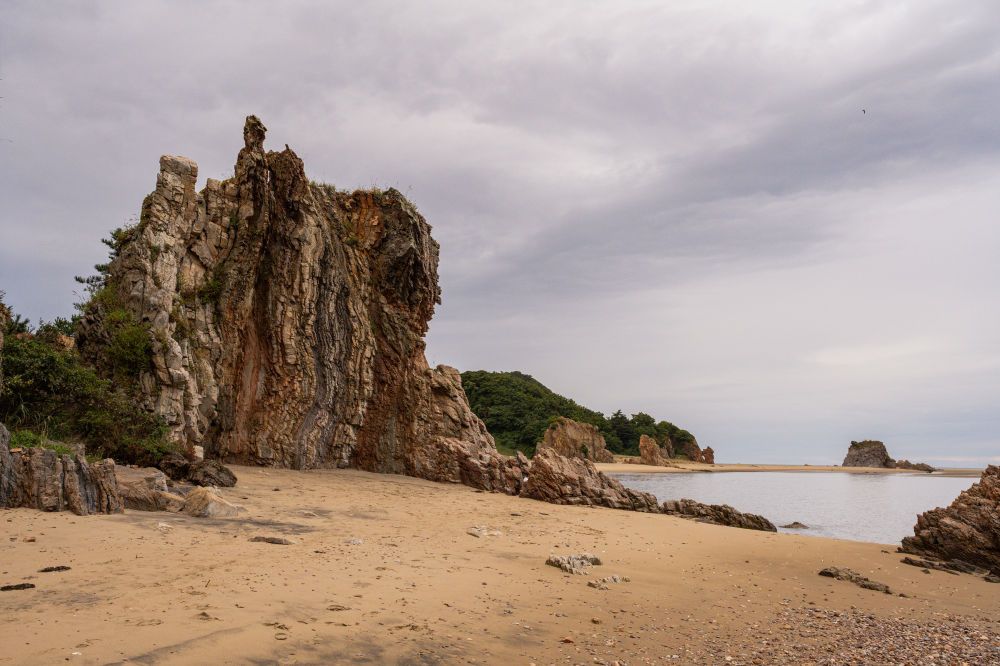
After arriving on Daecheongdo Island, most travelers make their way around the island counterclockwise. That is because they are eager to see Nongyeo Beach, Miyadong Beach, and the Okjukdong Coastal Sand Dune as soon as possible. The island’s eastern coast offers scenery spectacular enough to satisfy travelers’ expectations from the very start.
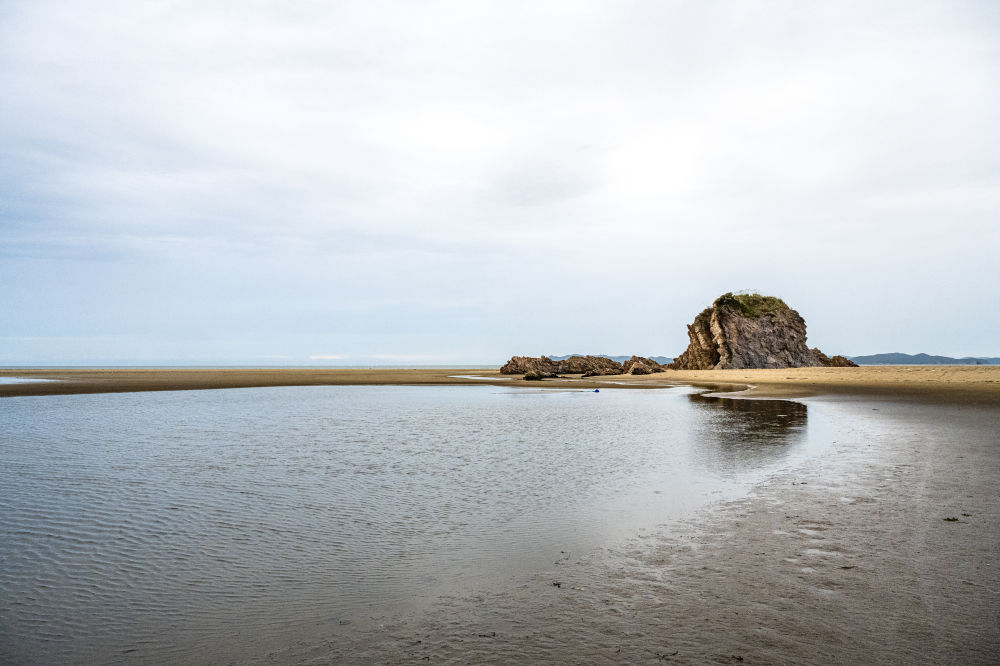
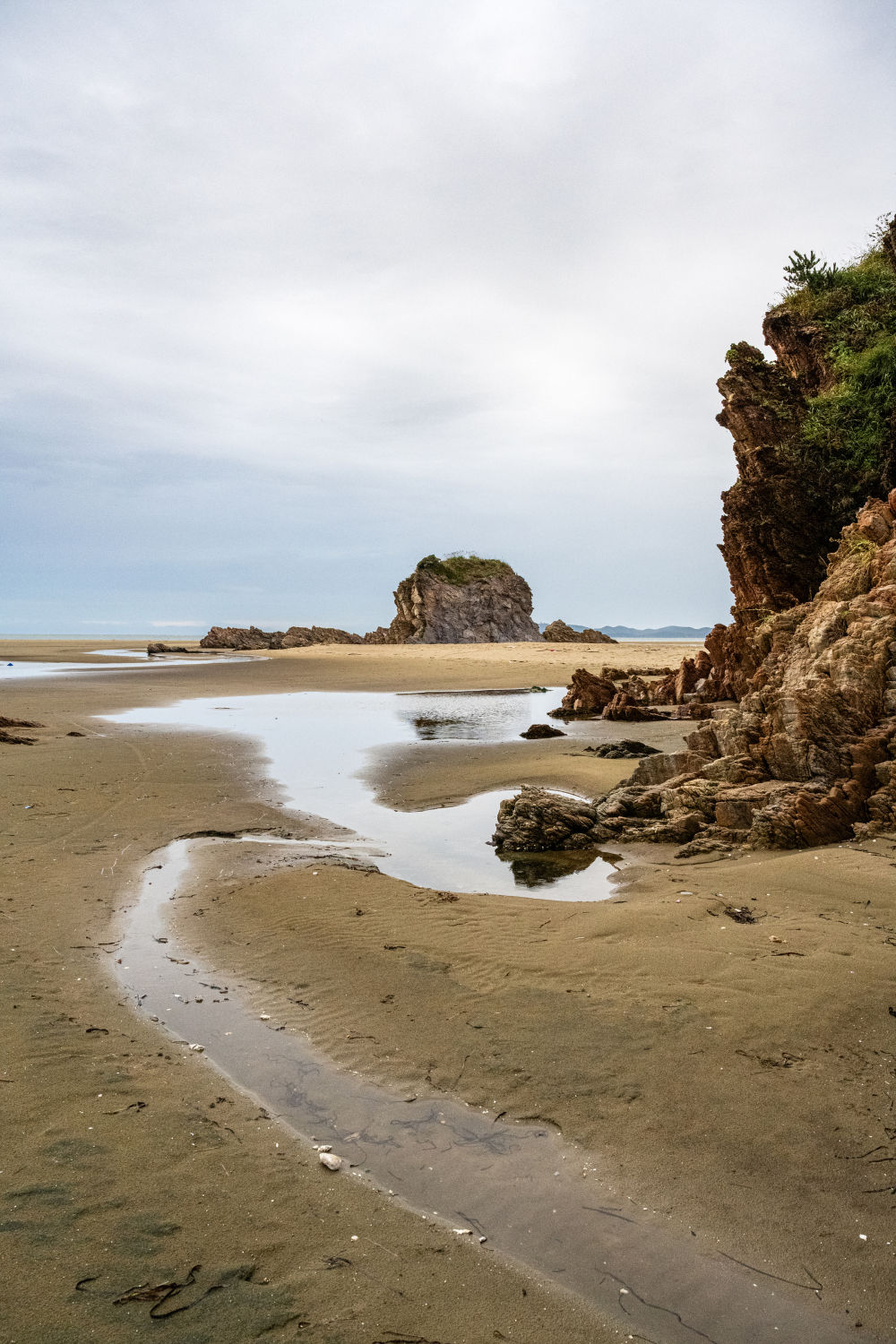
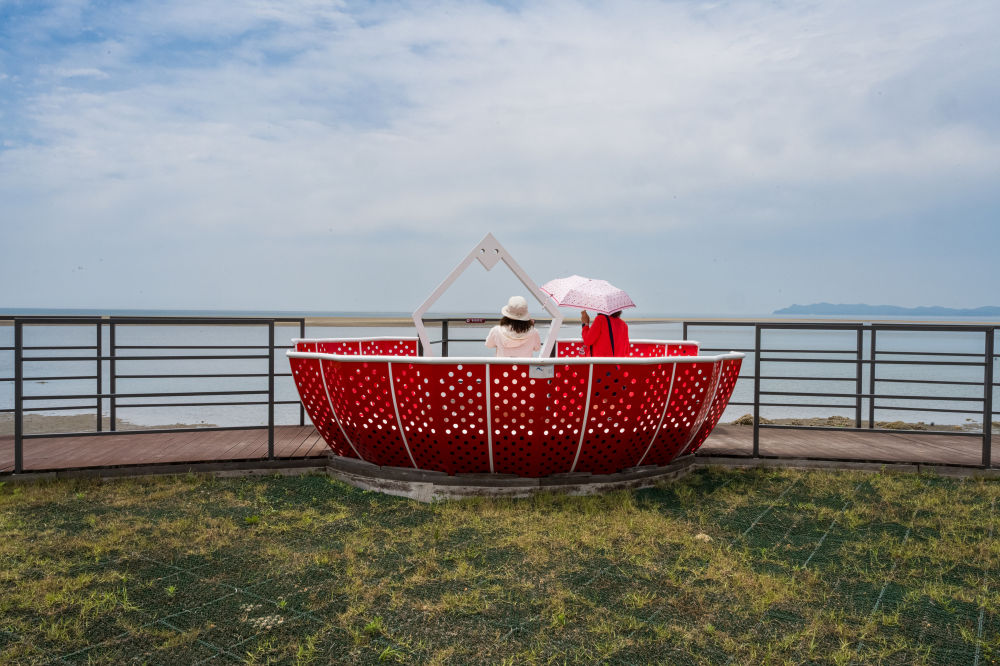
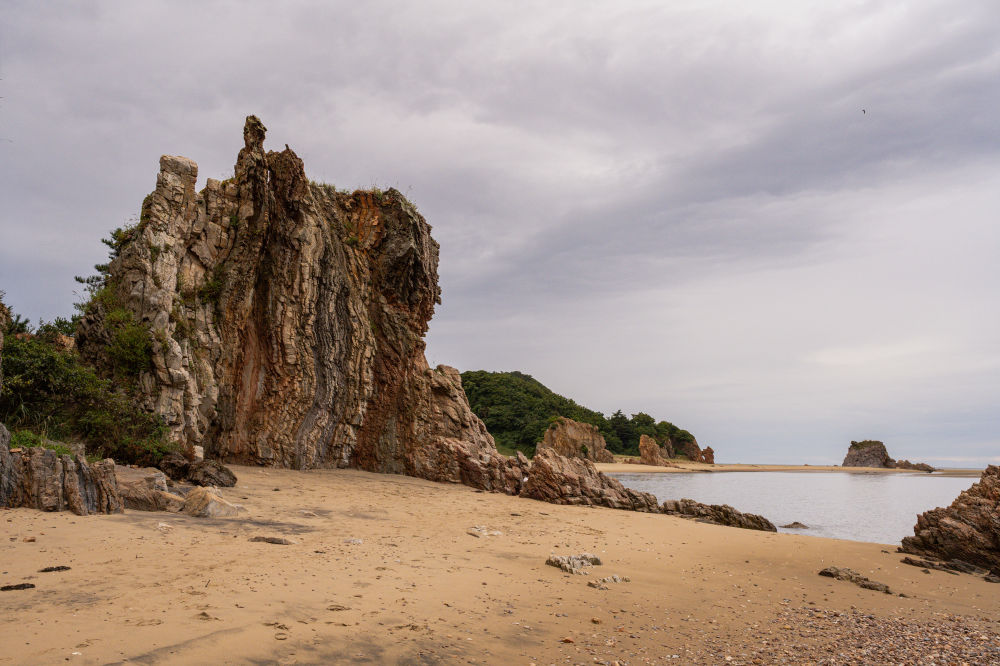
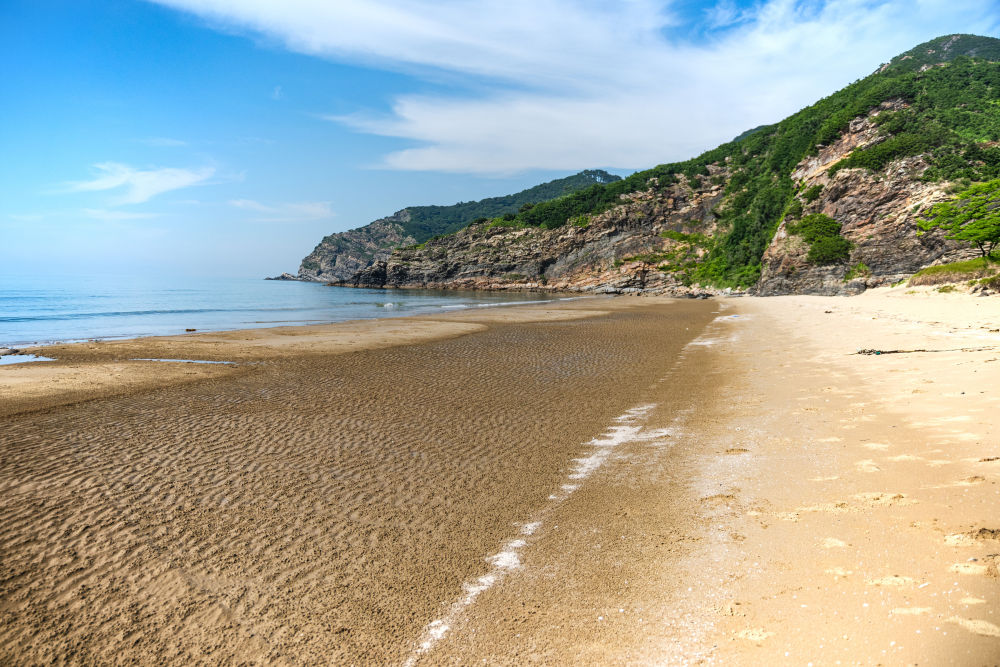
Perhaps there is no such thing as familiarity when traveling here. Each visit reveals something new, while the sense of mystery only deepens. Nongyeo Beach is a vast natural canvas shaped by the ebb and flow of the tides. The combination of unusual rock formations and white sand can make you feel as though you have suddenly landed on another planet. The sandbar here is packed so firmly that even footsteps barely leave an impression. Seawater left behind by the receding tide forms small pools across the beach, each reflecting a world of its own.
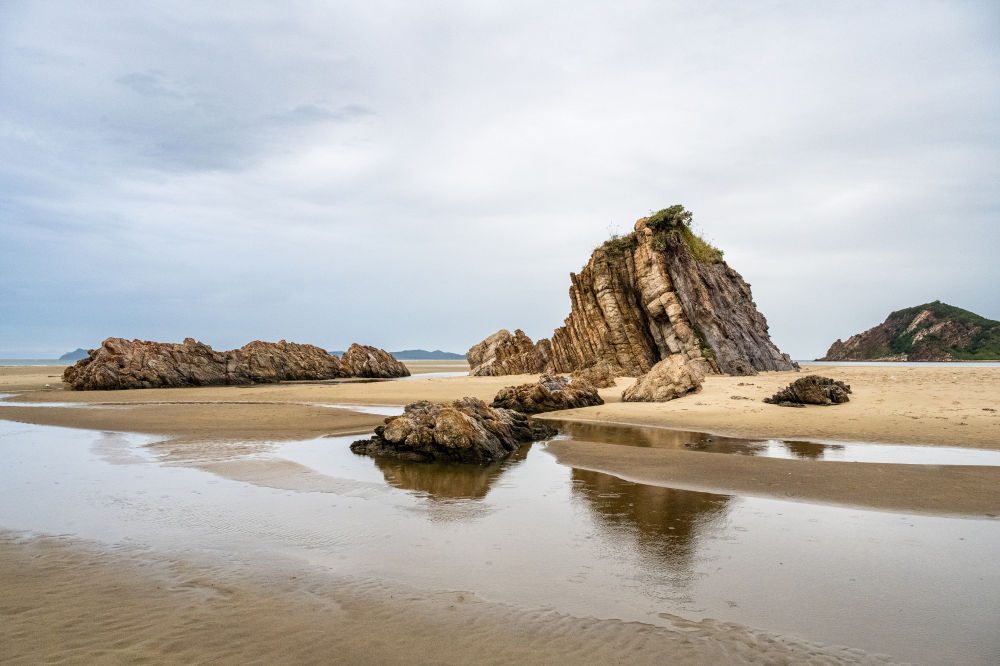
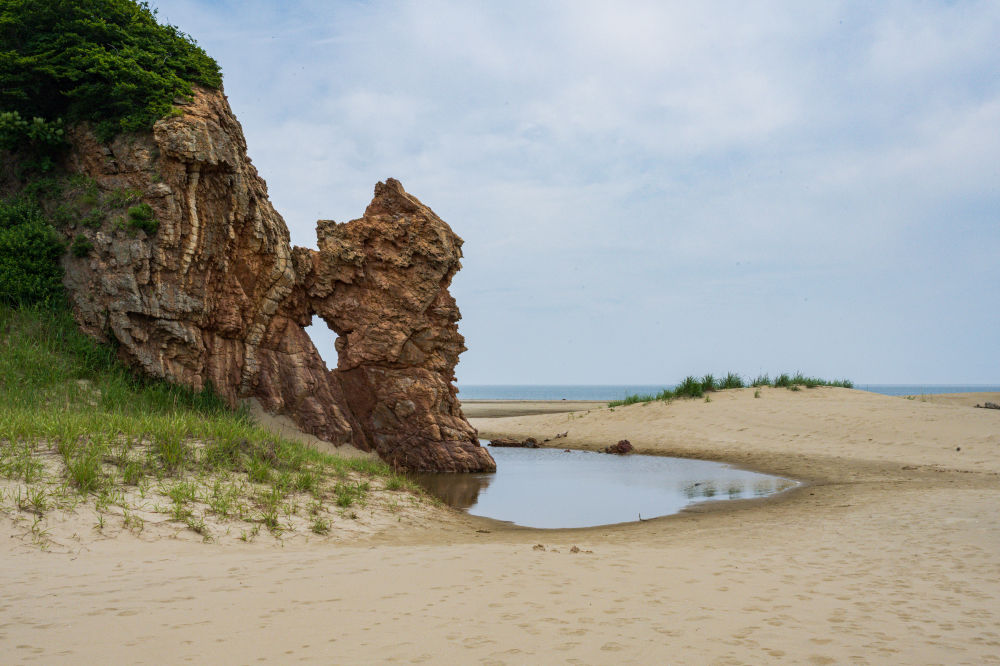
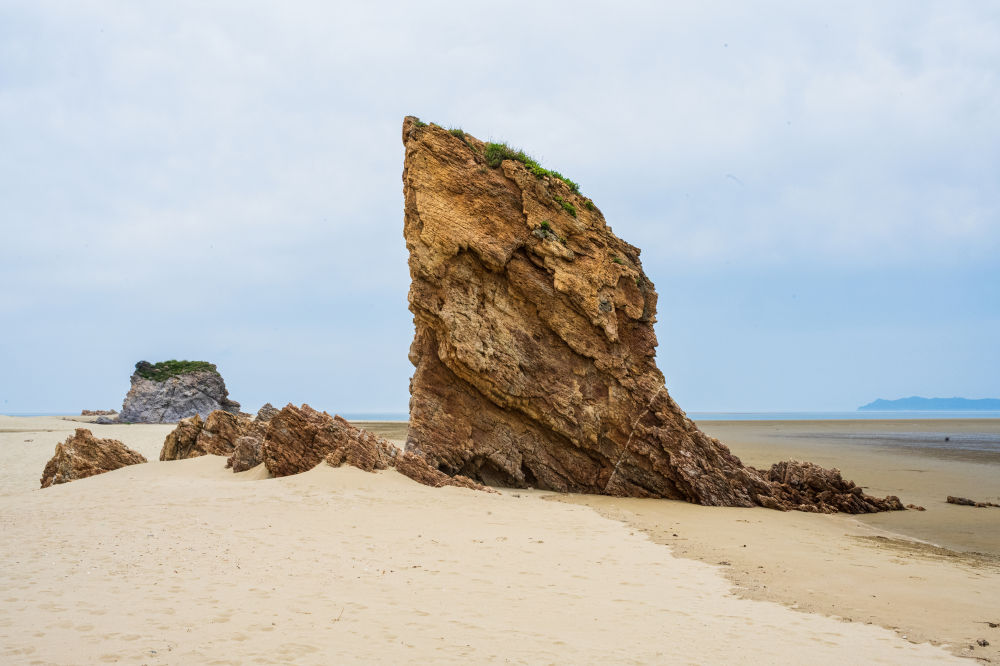
Standing steadfast on Nongyeo Beach, “Tree Ring Rock (Old Tree Rock)” rises above the tranquil water as the centerpiece that completes the beach’s geological story. The rock strata, built up layer upon layer over immense spans of time, underwent tremendous tectonic upheaval. The immense forces of nature turned once-horizontal layers vertically upright, leaving deep scars across the rock’s surface that resemble the weathered bark of an ancient tree.
- Address469-25, Daecheong-ri, Daecheong-myeon, Ongjin-gun, Incheon
- Inquiries032-899-3610 (Daecheong-myeon Office)
- Websitewww.ongjin.go.kr/tour (Ongjin-gun Culture and Tourism)
SPOT2 Okjukdong Coastal Sand Dune
An ecological indicator shaped by the wind
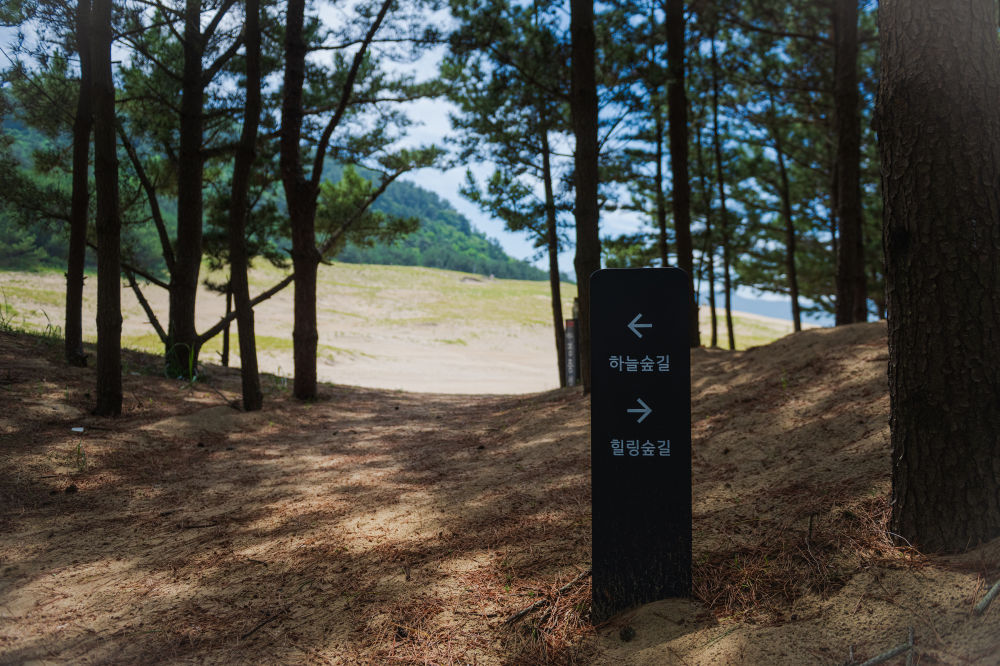
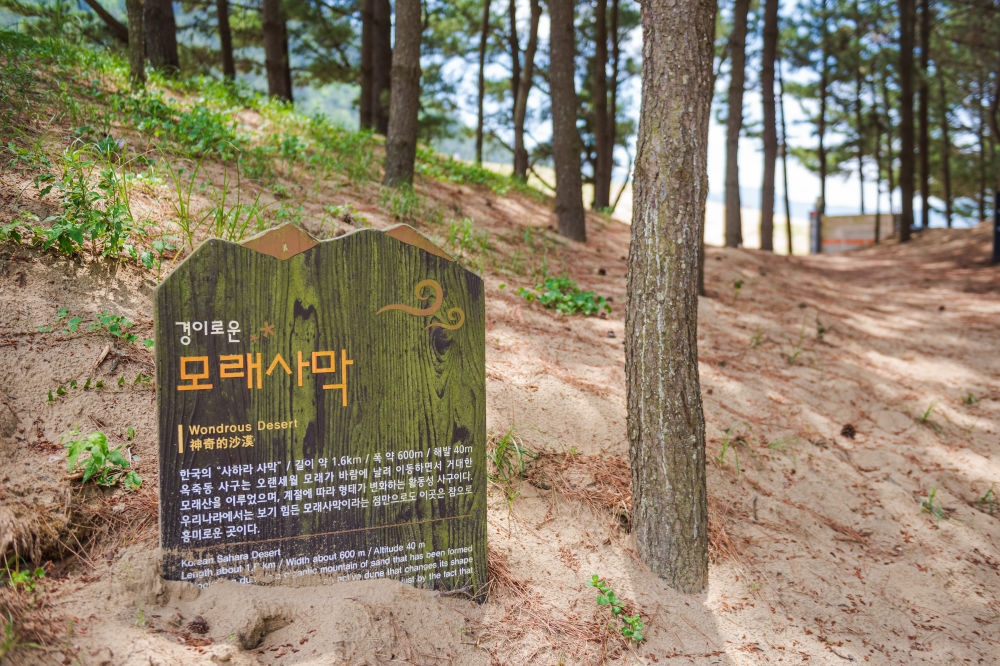
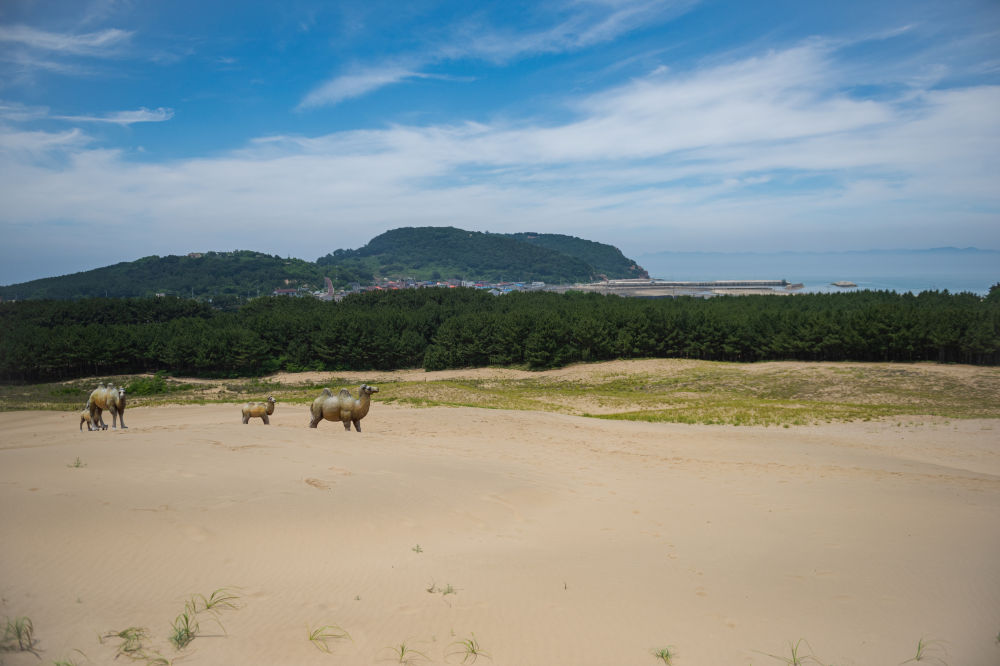
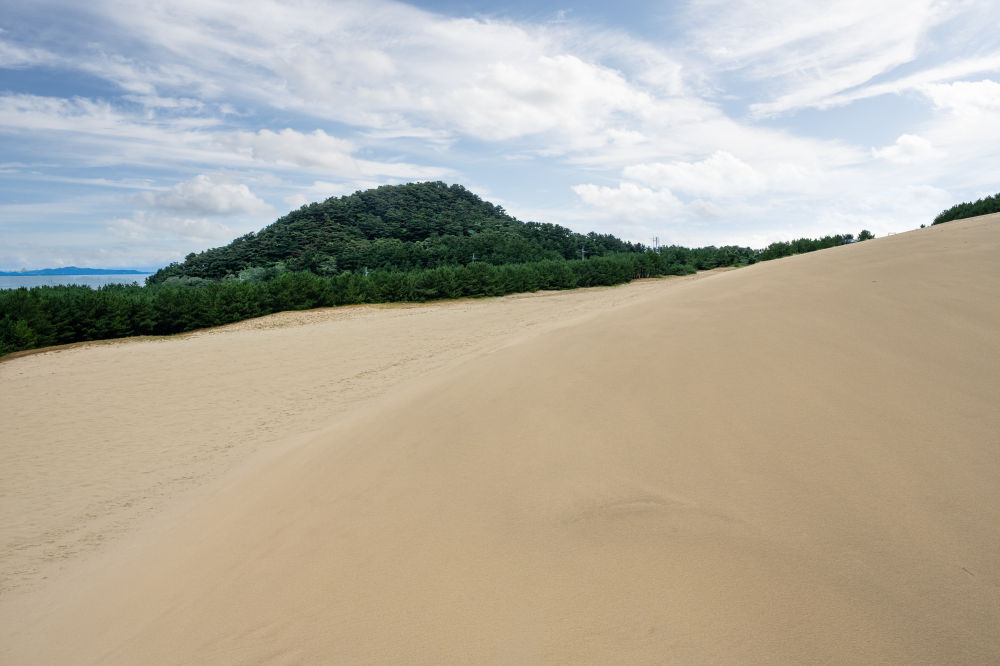
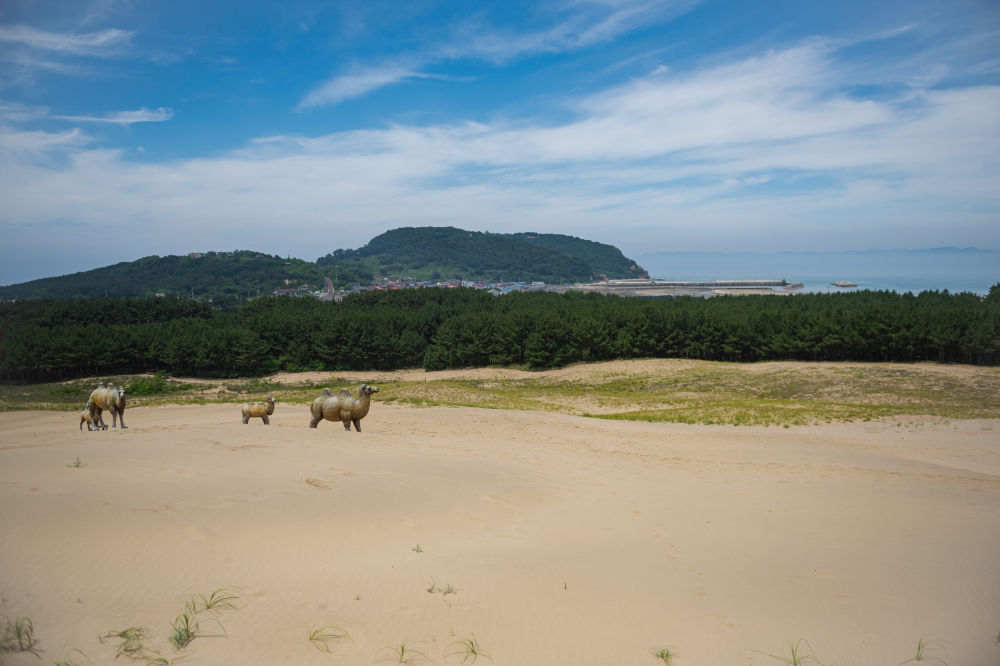
Just across the road from Nongyeo Beach lies a vast expanse of sand dunes. Known as the “Sahara of Korea,” the Okjukdong Coastal Sand Dune is the only active sand dune in the country. The dunes were formed as sea sand carried by northerly winds accumulated here during the land reclamation project on Baengnyeongdo.
However, the once-extensive dunes caused inconvenience for local residents, as windblown sand covered farmland and even accumulated inside homes. In response to residents’ complaints, a windbreak forest was eventually planted, significantly reducing the area and height of the dunes. Nevertheless, their exotic atmosphere remains a distinctive feature of this landscape.
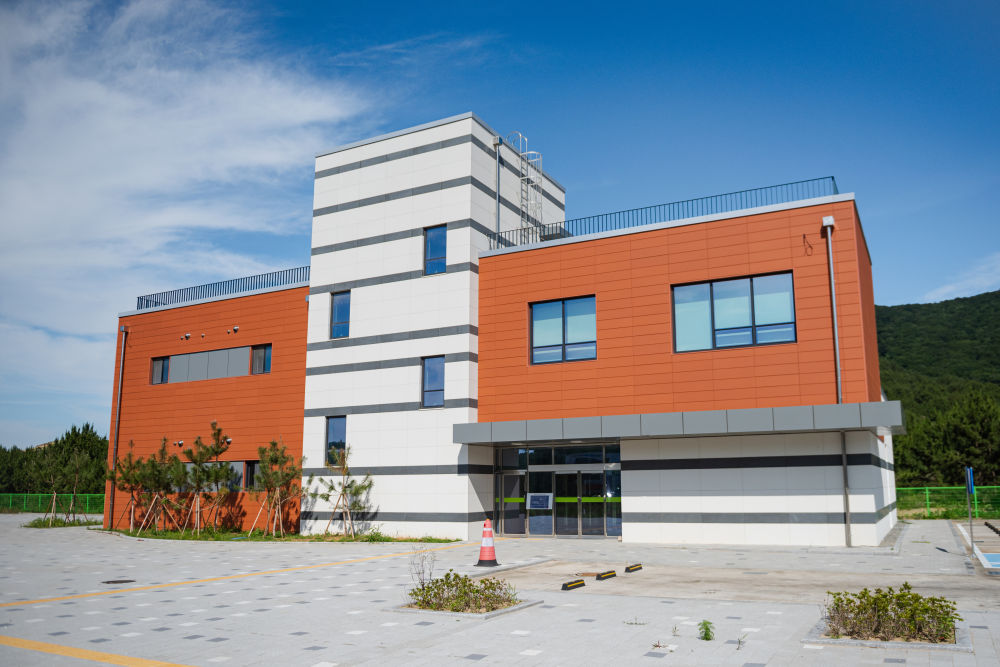
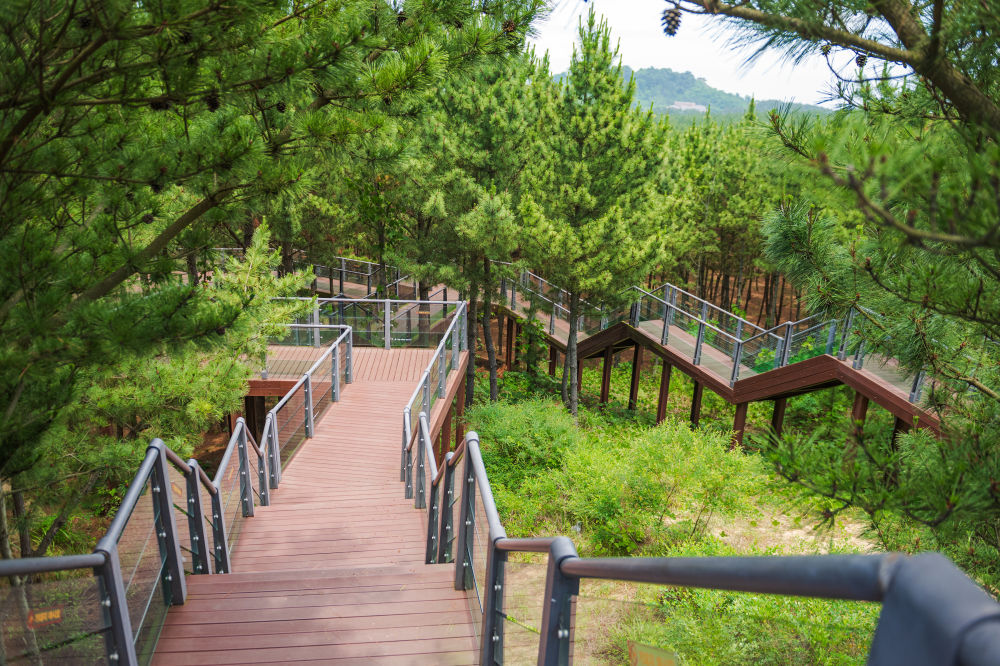
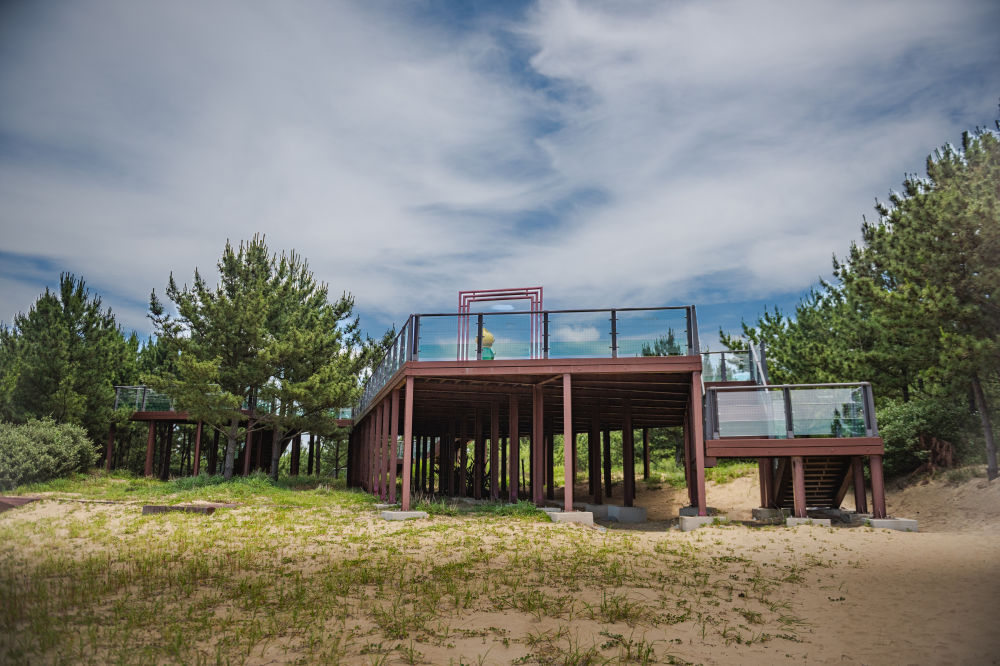
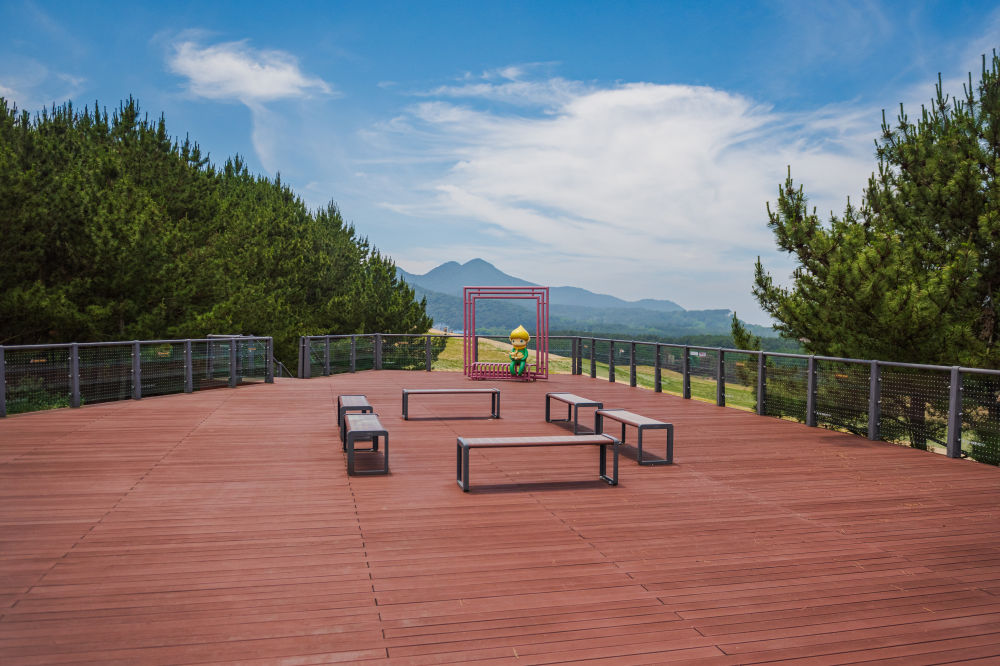
In recent years, active efforts have been made to restore the dunes to their original form and preserve their value. An observation deck has been installed, and in the summer of 2026, the Baengnyeong-Daecheong Geopark Center was established as a key hub for providing systematic information about the area’s geology. Constantly shifting with the direction of the wind, these sand dunes are undoubtedly an ecological indicator that vividly reflects environmental changes on Daecheongdo.
- Address96, Daecheongbuk-ro, Daecheong-myeon, Ongjin-gun, Incheon
- Inquiries032-899-3610
- Websitewww.ongjin.go.kr/tour
SPOT3 Jiduri Beach
A cozy retreat for Daecheongdo residents
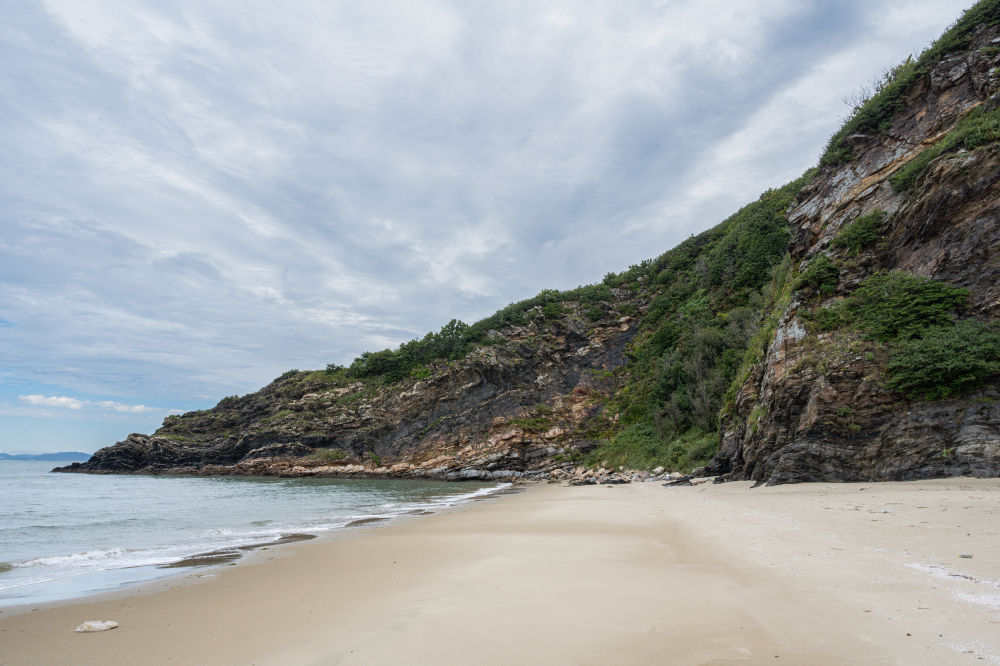
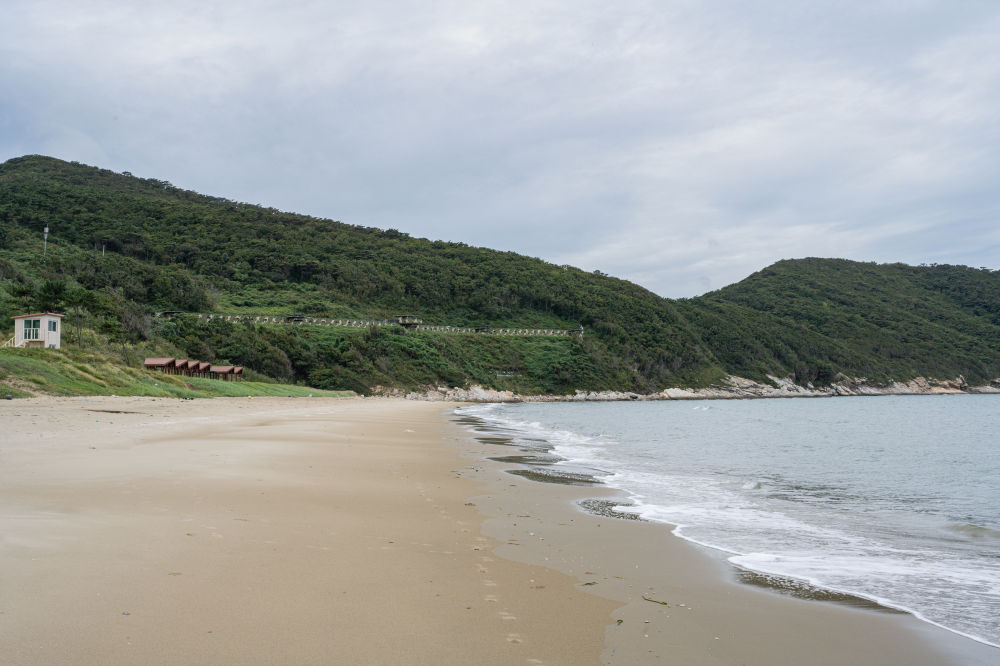
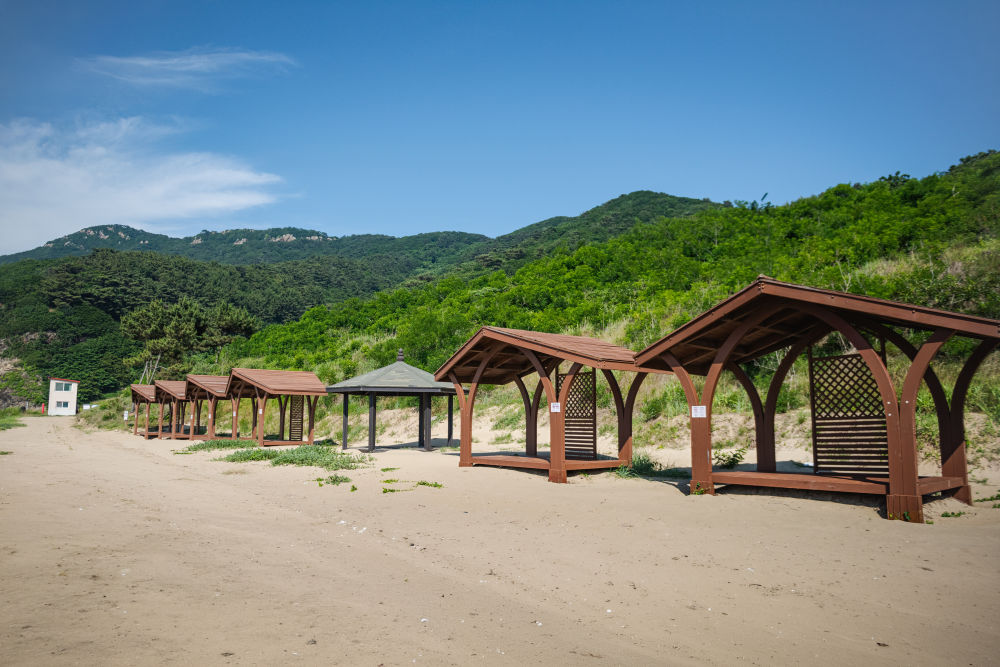
Ideal for families, Jiduri Beach is a popular summer swimming destination on Daecheongdo Island thanks to its gentle slope and shallow waters. With convenient facilities such as showers and pergolas, as well as food delivery available from across Daecheongdo during the peak vacation season, it has everything you need for a comfortable and relaxing stay.
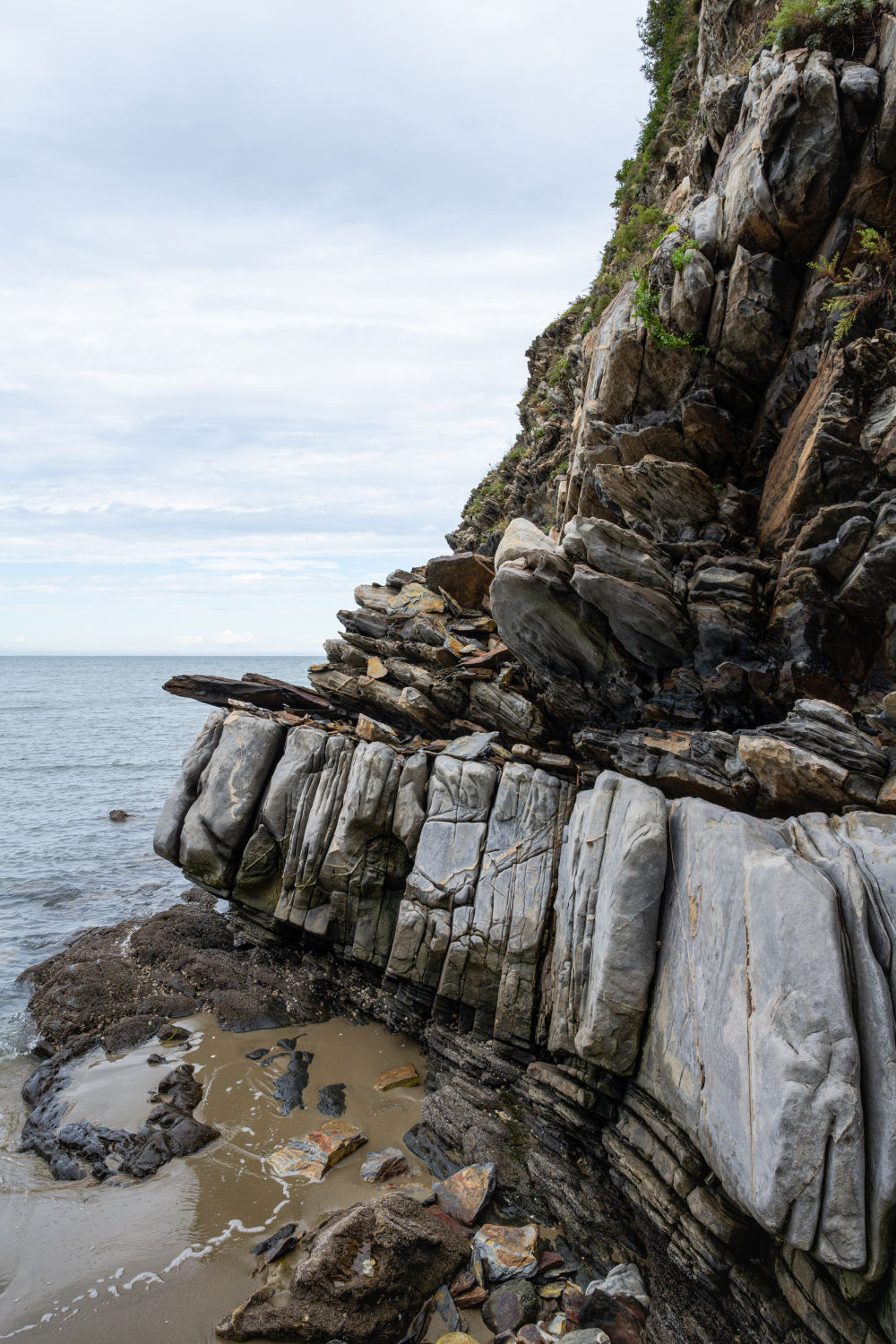
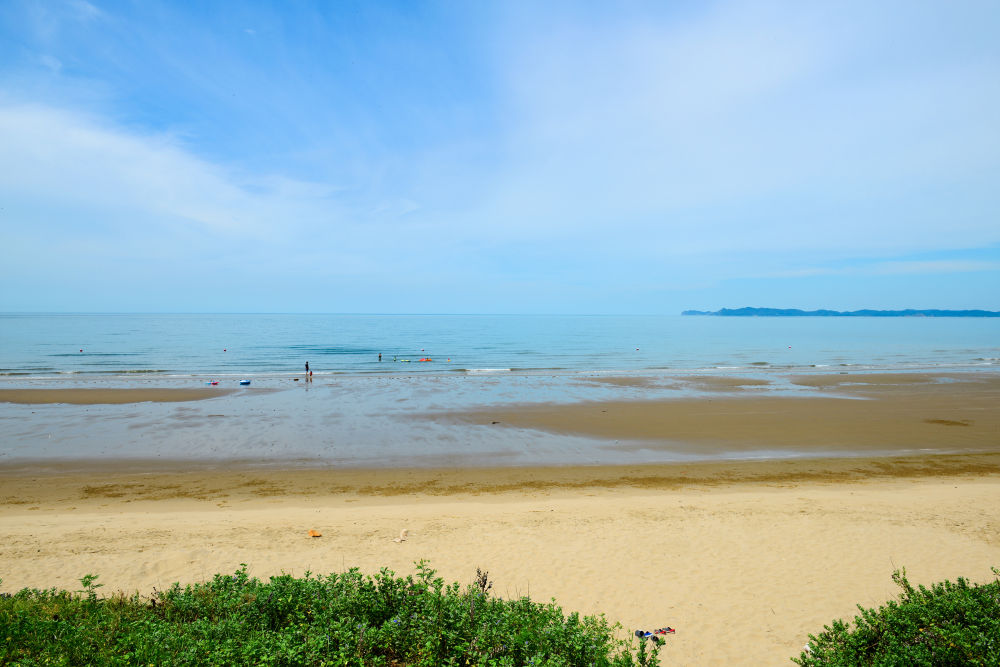
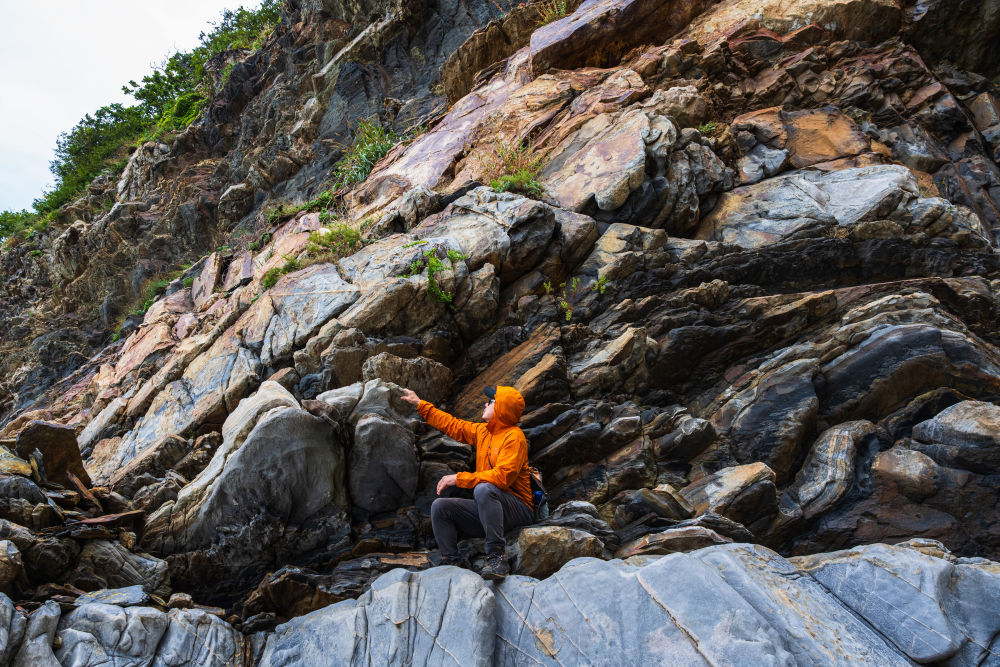
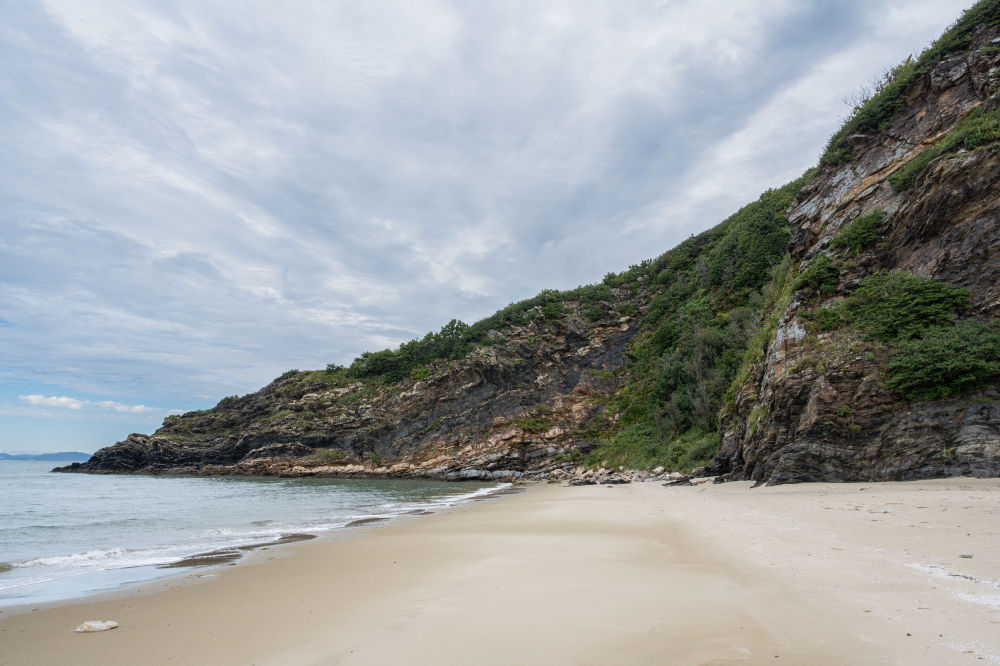
The eastern coast of Jiduri Beach is also of significant geological value. Here, visitors can clearly see exposed rock strata formed 1.5 billion years ago that were overturned by tectonic activity.
“Jiduri” is a native Korean word meaning “hinge.” Seeing Daecheongdo’s massive quartzite strata interlock layer upon layer as they extend toward the sea, it is easy to understand how the area got its name.
- AddressSan 269-1, Daecheong-ri, Daecheong-myeon, Ongjin-gun, Incheon
- Inquiries032-899-3610
- Websitewww.ongjin.go.kr/tour
SPOT4 Maebawi Observatory & Samgaksan Mountain
Samseo Trekking Trail, Daecheongdo’s premier walking trail
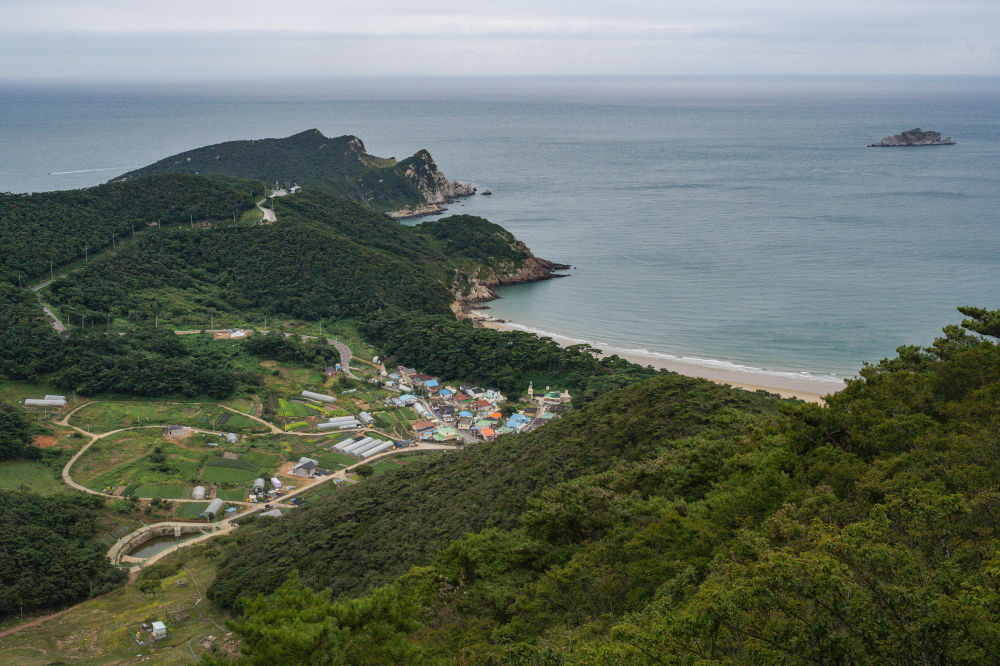
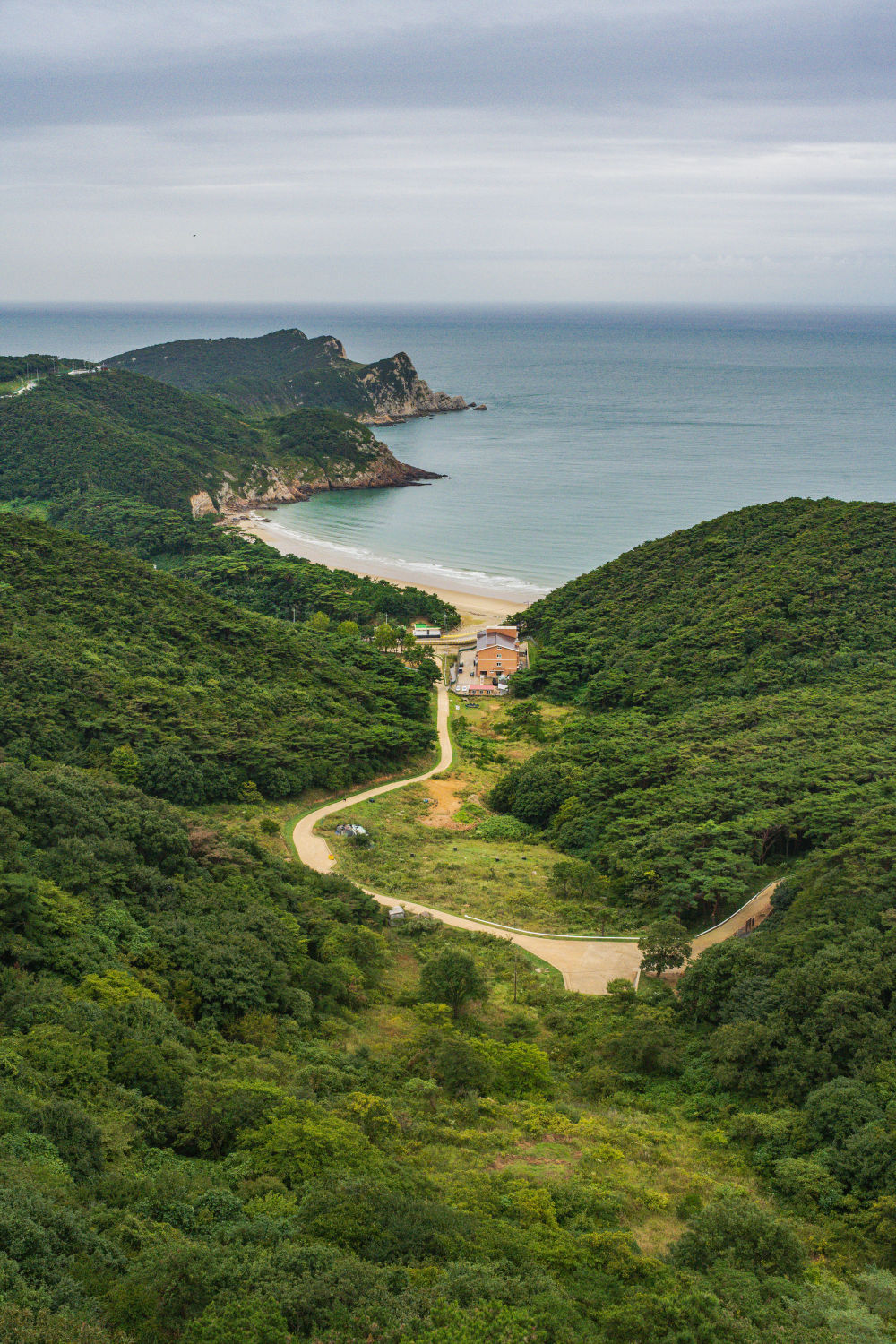
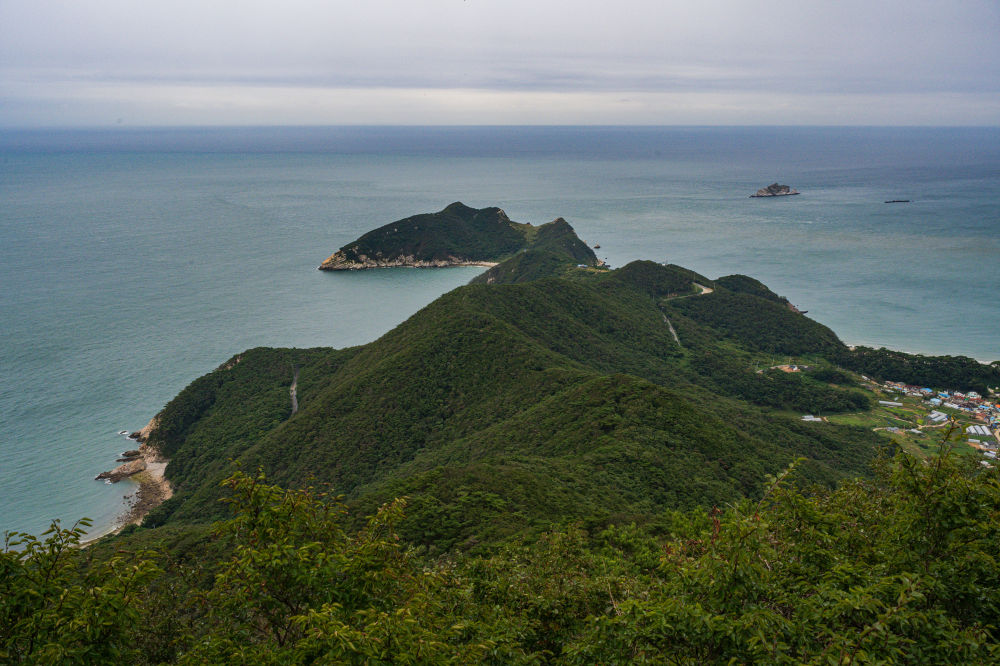
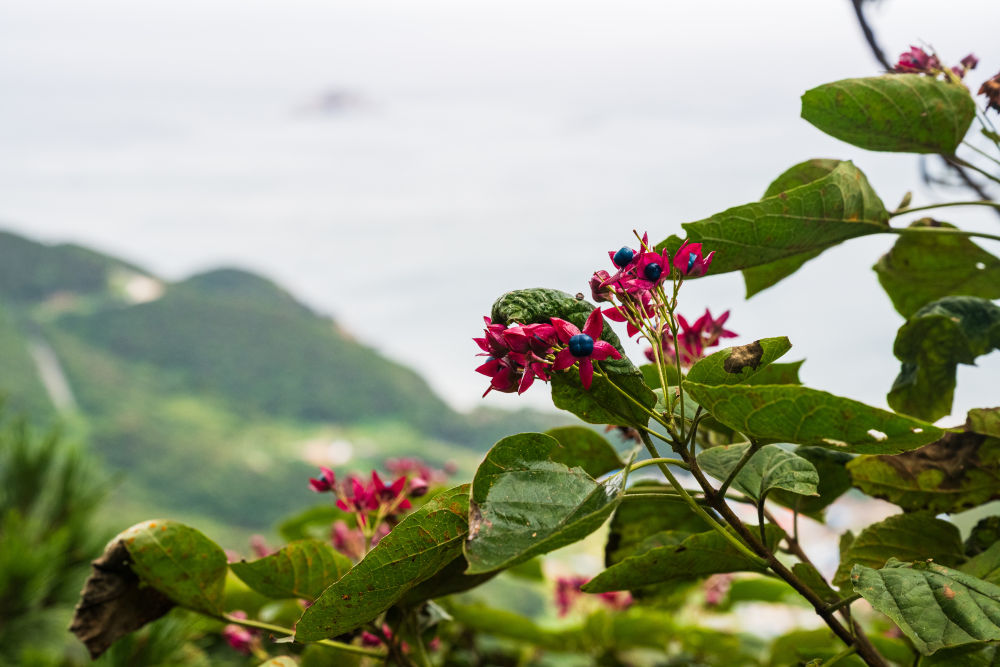
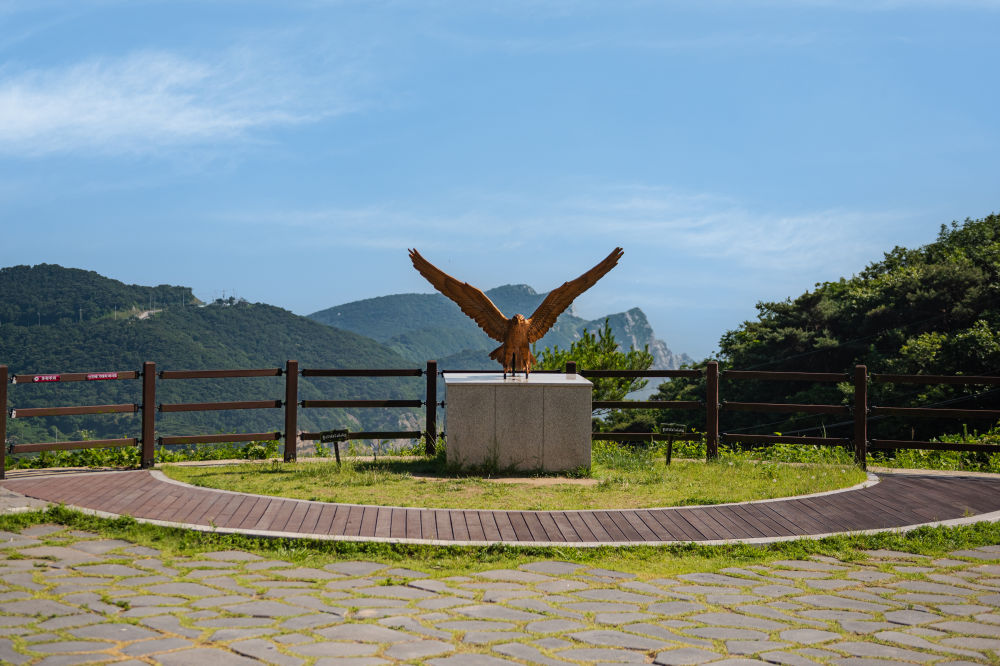
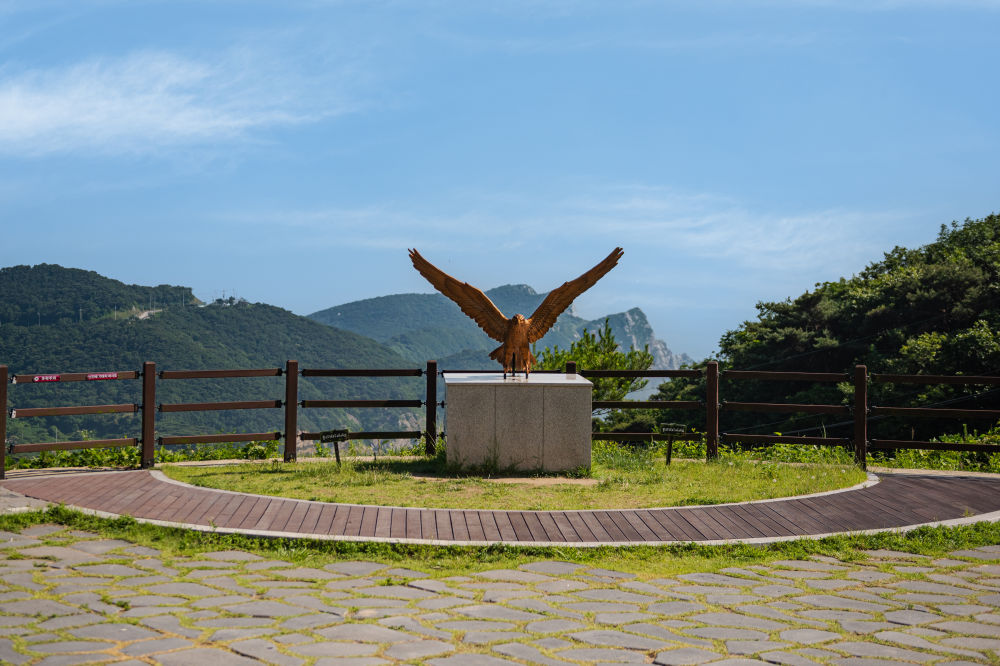
In the past, Daecheongdo Island was a major habitat of the haedongcheong, a hunting falcon also known as the peregrine falcon. The old place name “Maemakgol” still survives today, referring to an area where a maemak, a facility for raising and training hunting falcons, once stood.
Looking down from Maebawi Observatory at Daecheongdo’s western coastline stretching from Moraeul Beach to Seopungbaji, you can make out the shape of a falcon with its wings spread wide. The 7 km route begins at Maebawi Observatory, climbs to the summit of Samgaksan Mountain, descends to Gwangnandu, and loops around Seopungbaji. Known as “Samseo Trekking Trail,” its name combines “Sam” from Samgaksan and “Seo” from Seopungbaji. It is one of Daecheongdo’s signature walking trails.
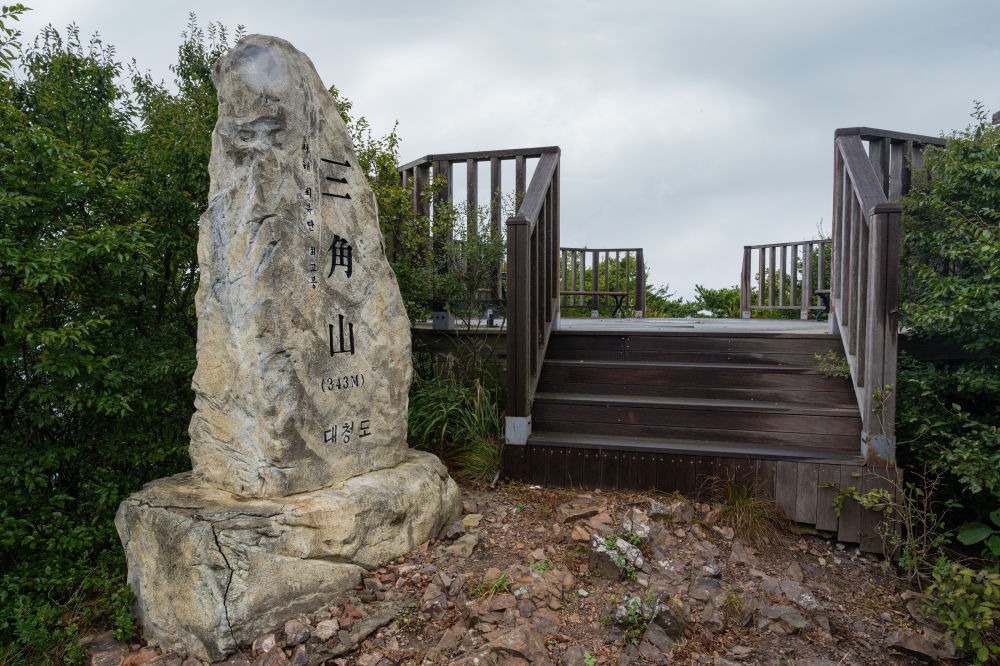
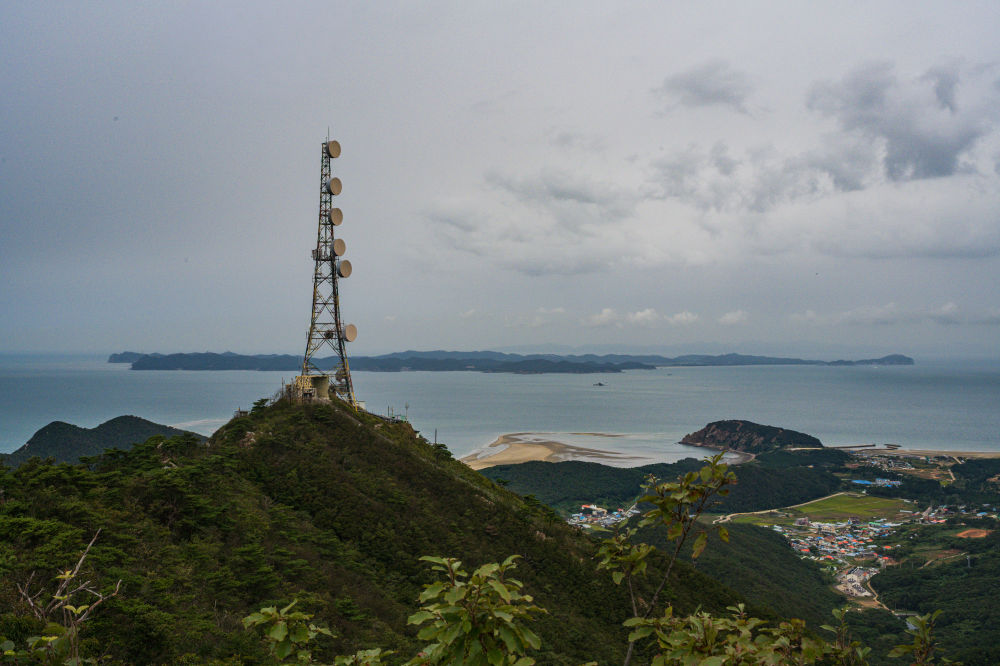
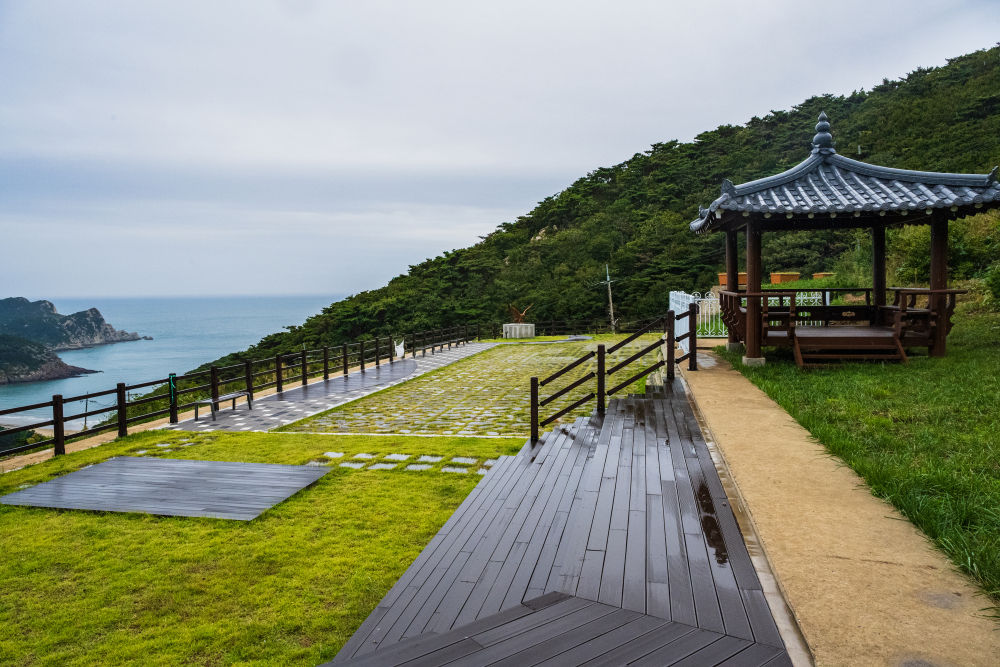
Samgaksan Mountain forms the central spine of the island and is relatively easy to climb from Maebawi Observatory. From its 343 m summit, the view sweeps across Daecheongdo’s Okjukdong coast to Baengnyeongdo and even the North Korean mainland beyond. Although no visible boundary divides the landscape, travelers cannot help but contemplate what lies beyond and pause for a moment of quiet reflection.
- AddressSan 264-1, Daecheong-ri, Daecheong-myeon, Ongjin-gun, Incheon
- Inquiries032-899-3610
- Websitewww.ongjin.go.kr/tour
SPOT5 Moraeul Beach
A romantic seaside embraced by red pines
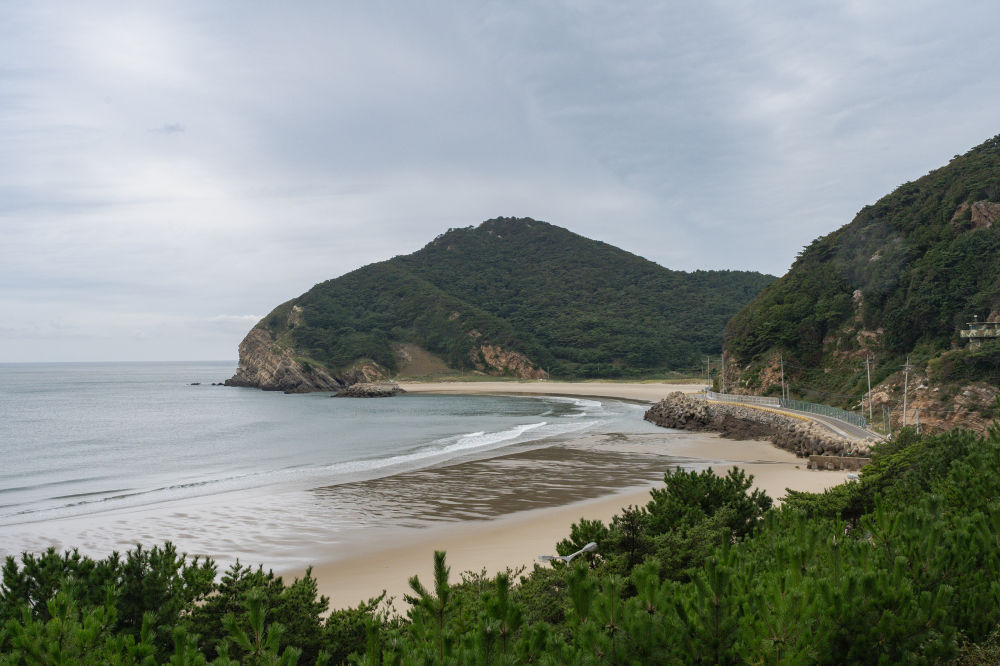
Moraeul Beach can be seen after descending Samgaksan Mountain and before heading toward Seopungbaji. Behind its 1 km-long sandy beach stands a grove of Korean red pines, some more than 200 years old. The pines here are known as “giraffe pines” because their reddish trunks are cracked like a turtle’s shell and marked with distinctive mottled patterns. Having grown naturally while enduring strong sea winds, each tree has taken on a unique shape.
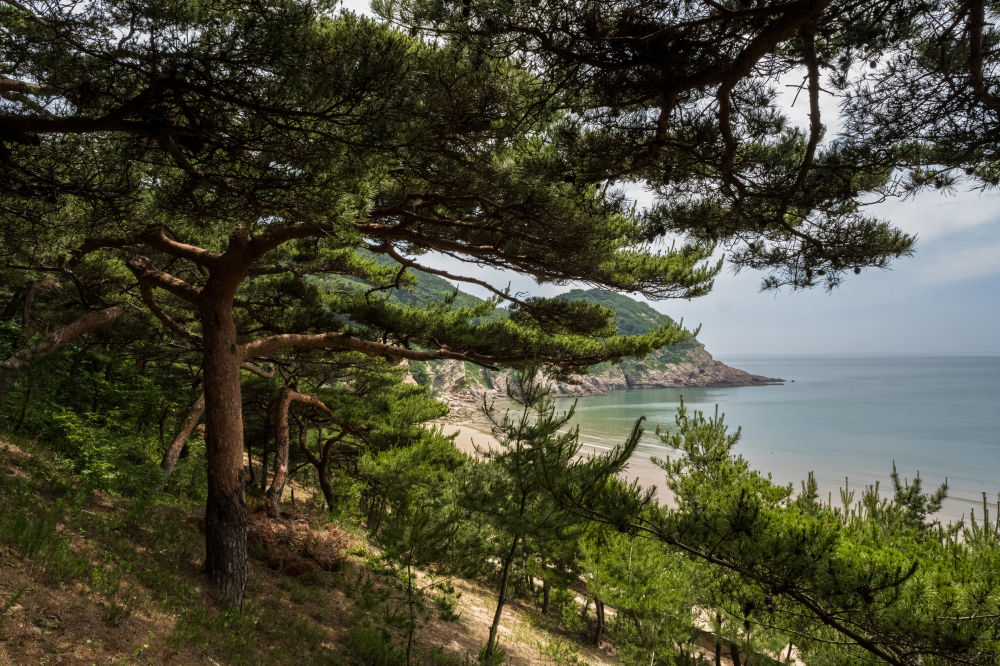
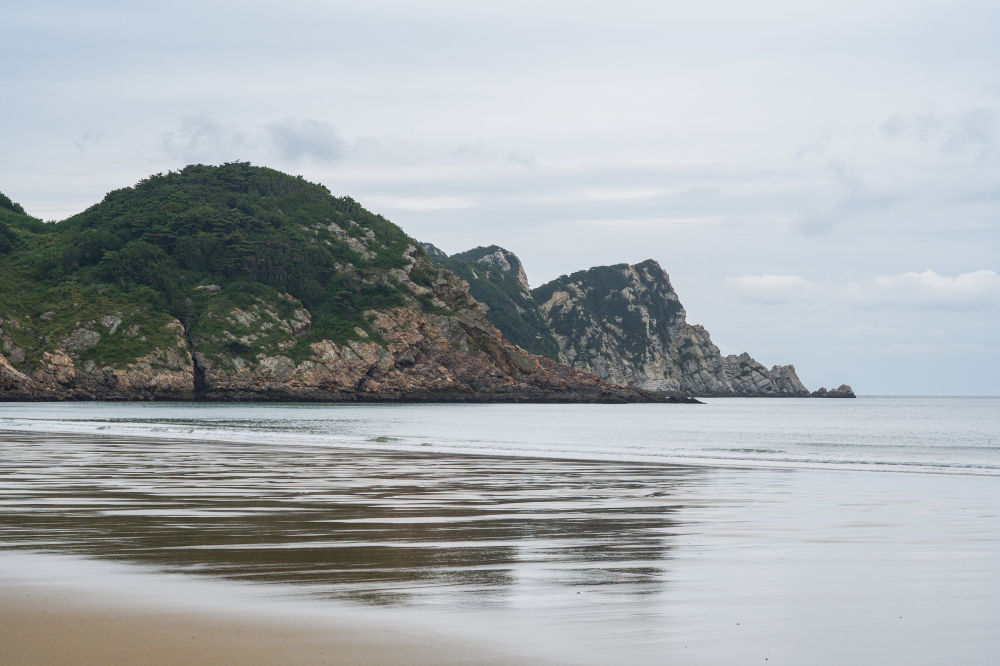
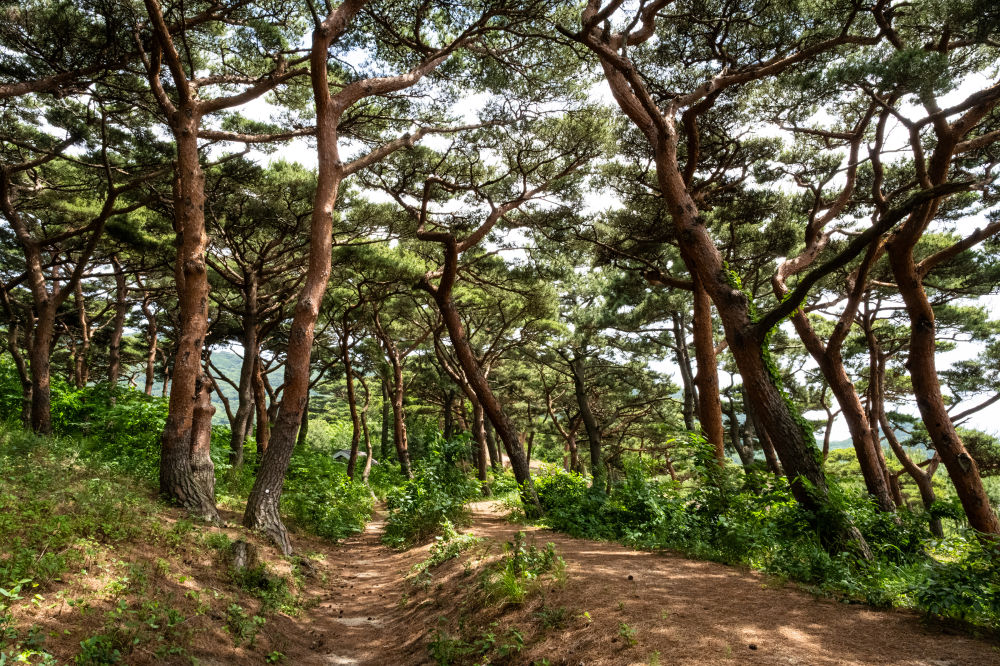
With its fine sandy shore and red pine forest, Moraeul Beach is considered one of the most romantic landscapes on Daecheongdo. Around sunset, light filtering through the giraffe pines creates a sense of tranquility as if time has stood still, leaving a lasting impression on travelers.
Beyond its scenic beauty, Moraeul Beach also served as a sacred place where local residents prayed for the well-being of nearby villages. The pine grove served both as a windbreak protecting their homes from harsh sea winds and as a sacred village grove where islanders prayed for peace and prosperity, silently bearing witness to their deepest hopes.
- AddressSatan-dong area, Daecheong-ri, Daecheong-myeon, Ongjin-gun, Incheon
- Inquiries032-899-3610
- Websitewww.ongjin.go.kr/tour
SPOT6 Seopungbaji
A mighty shield against the wind and waves
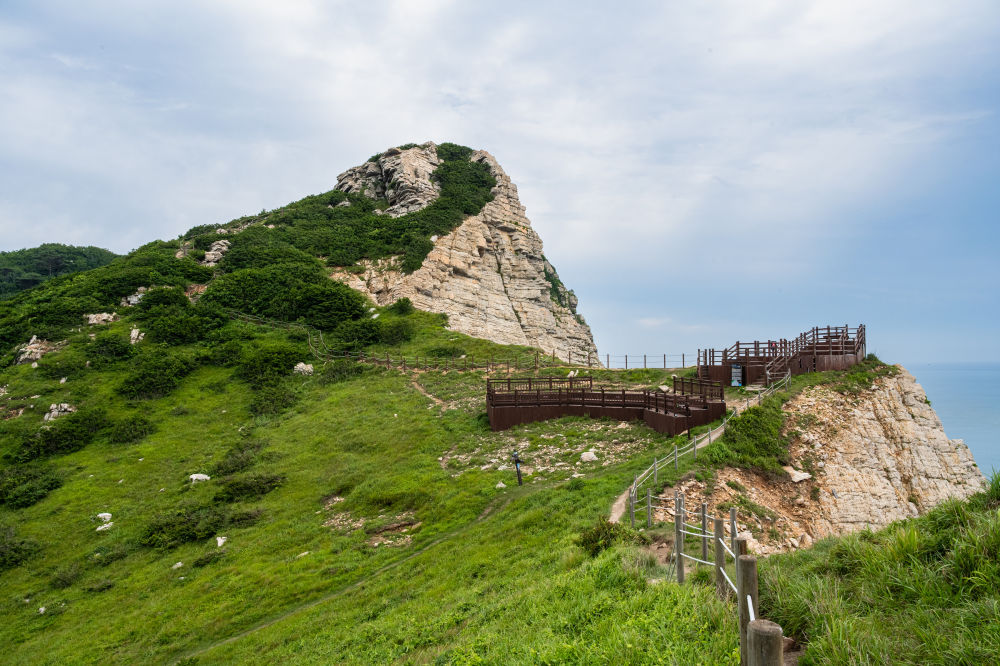
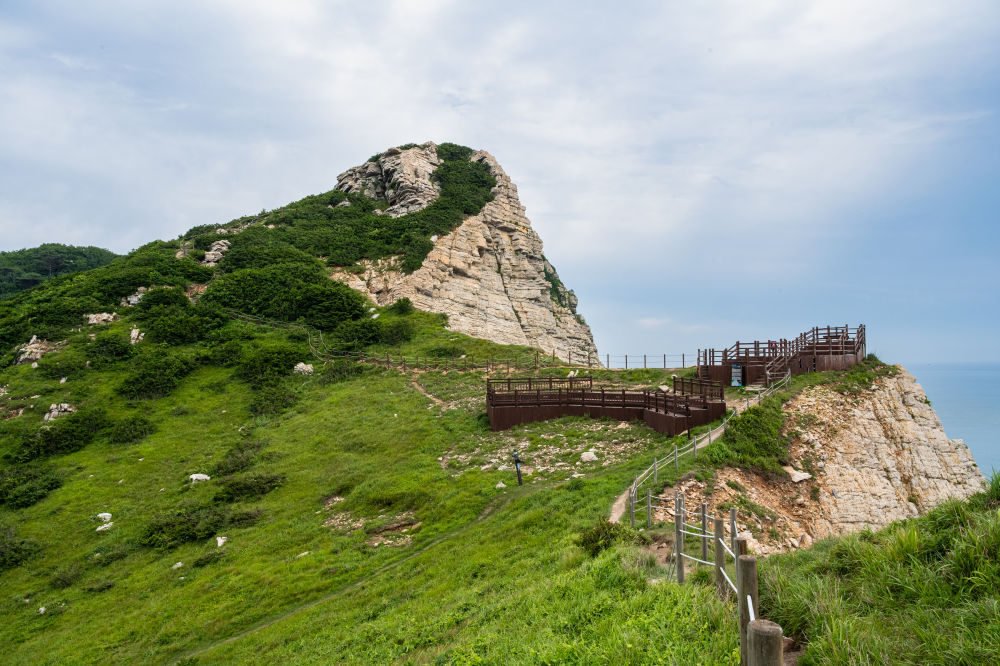
Seopungbaji is a sheer cliff rising 80 m above sea level. Taking the full force of fierce winds and waves sweeping in from the west, it has long served as a natural shield protecting Daecheongdo’s western coast. The quartzite layers, weathered by the elements to reveal their white rock beneath, are the signature feature of this majestic landscape.
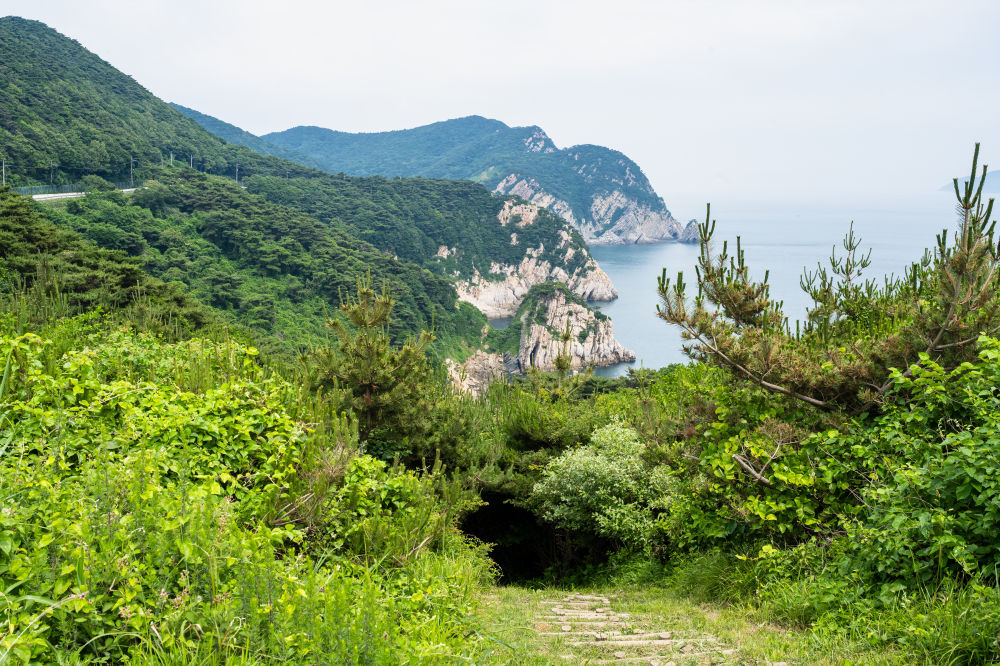
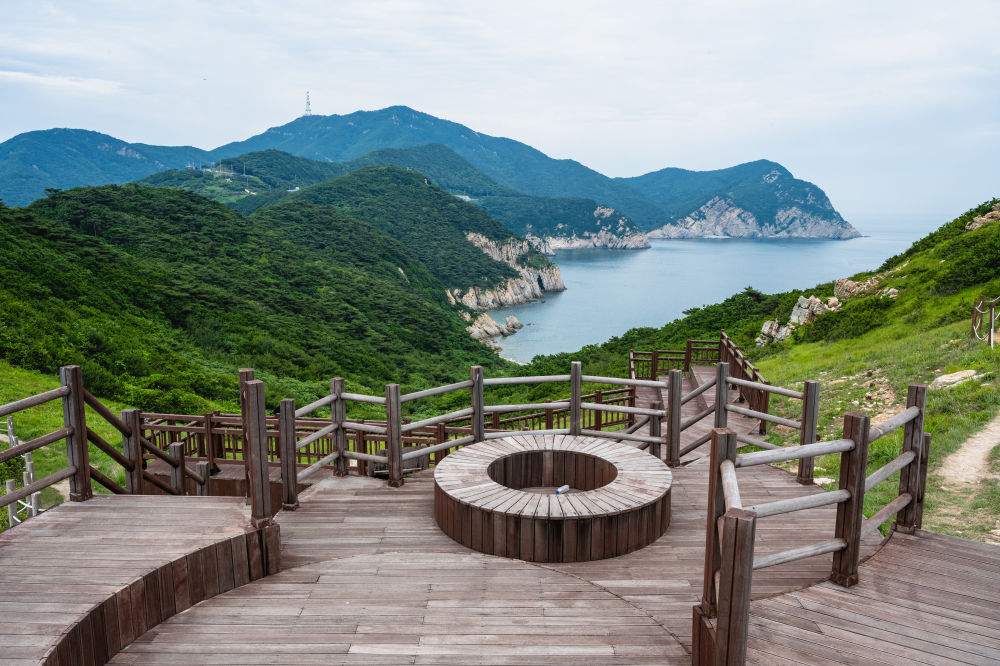
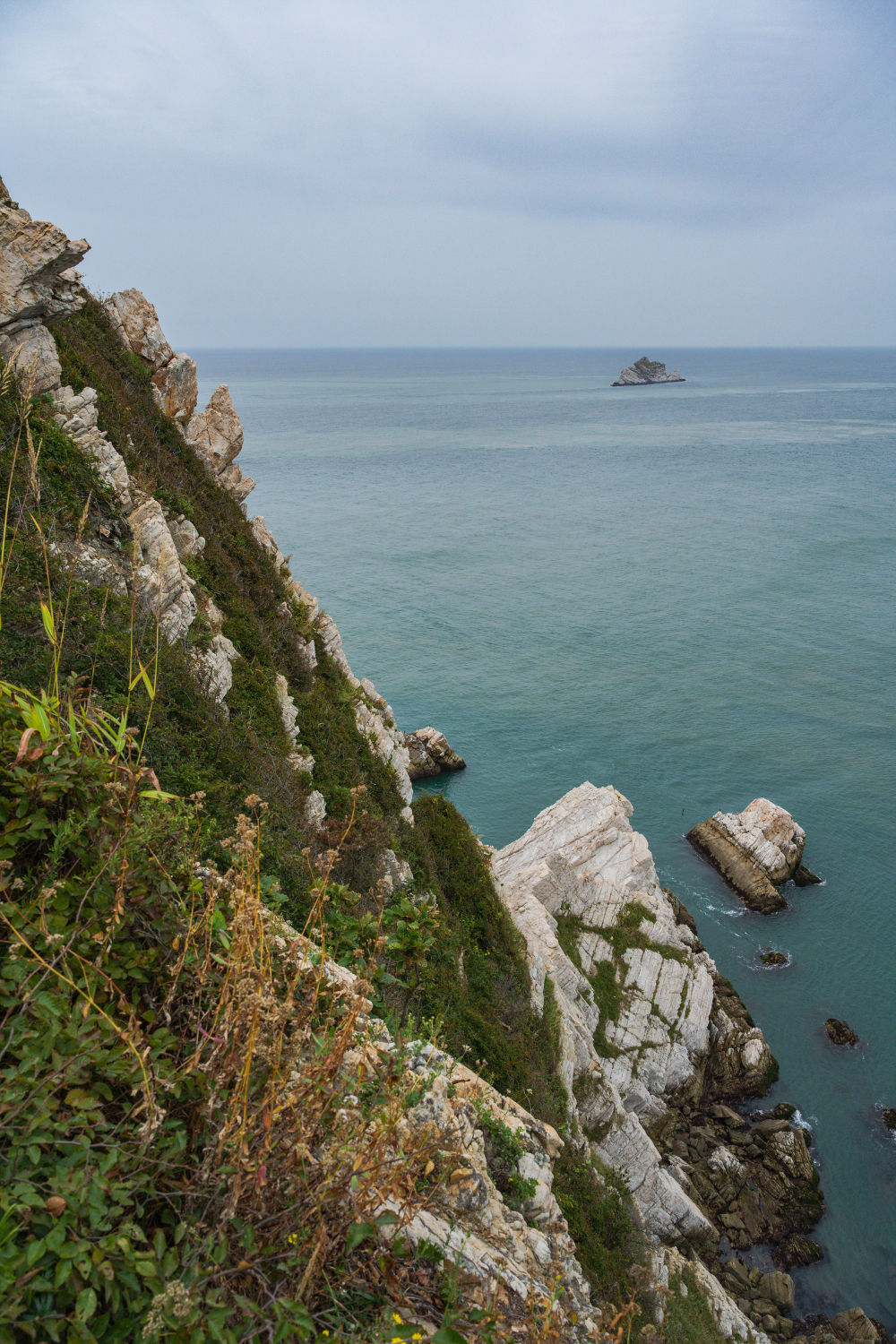
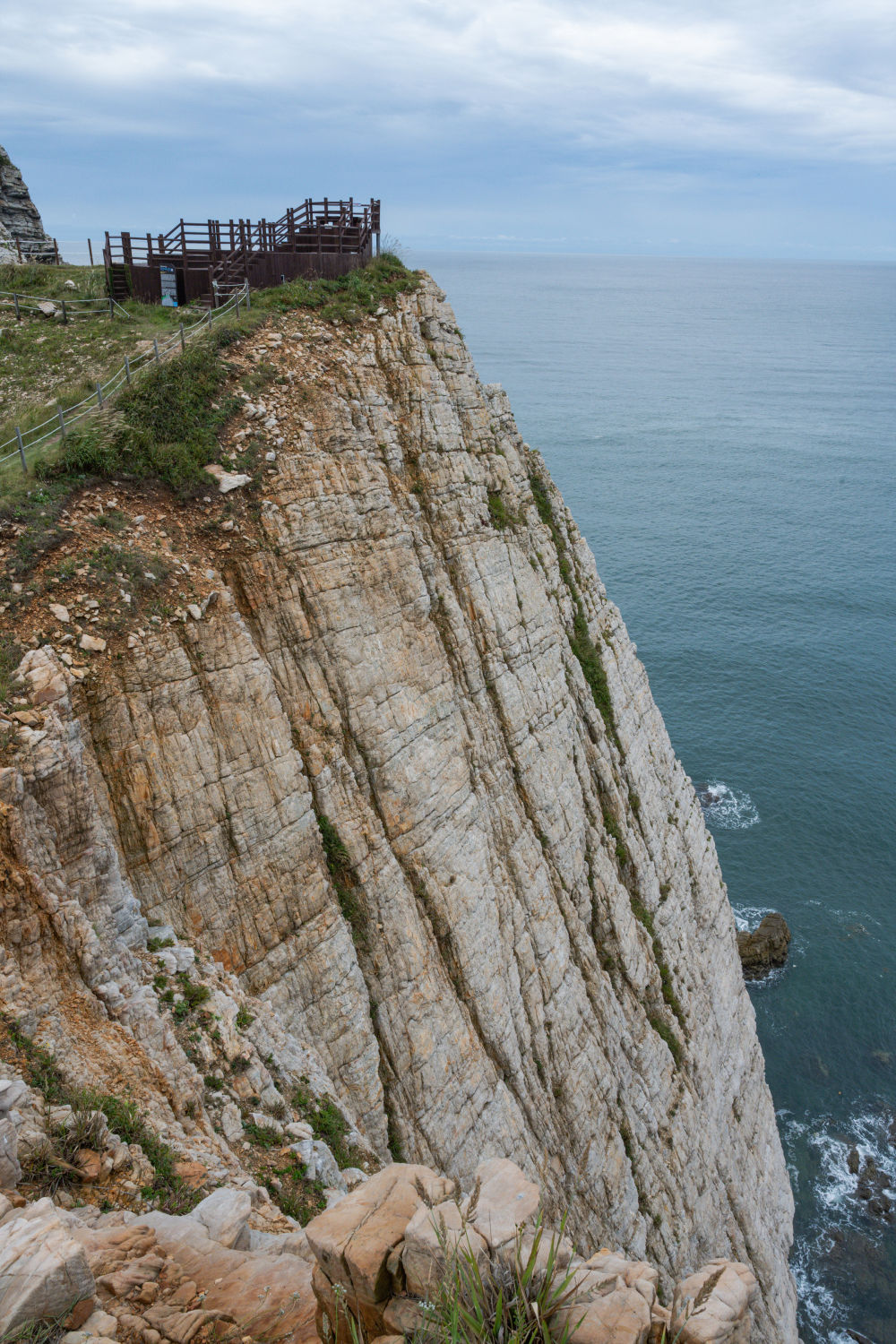
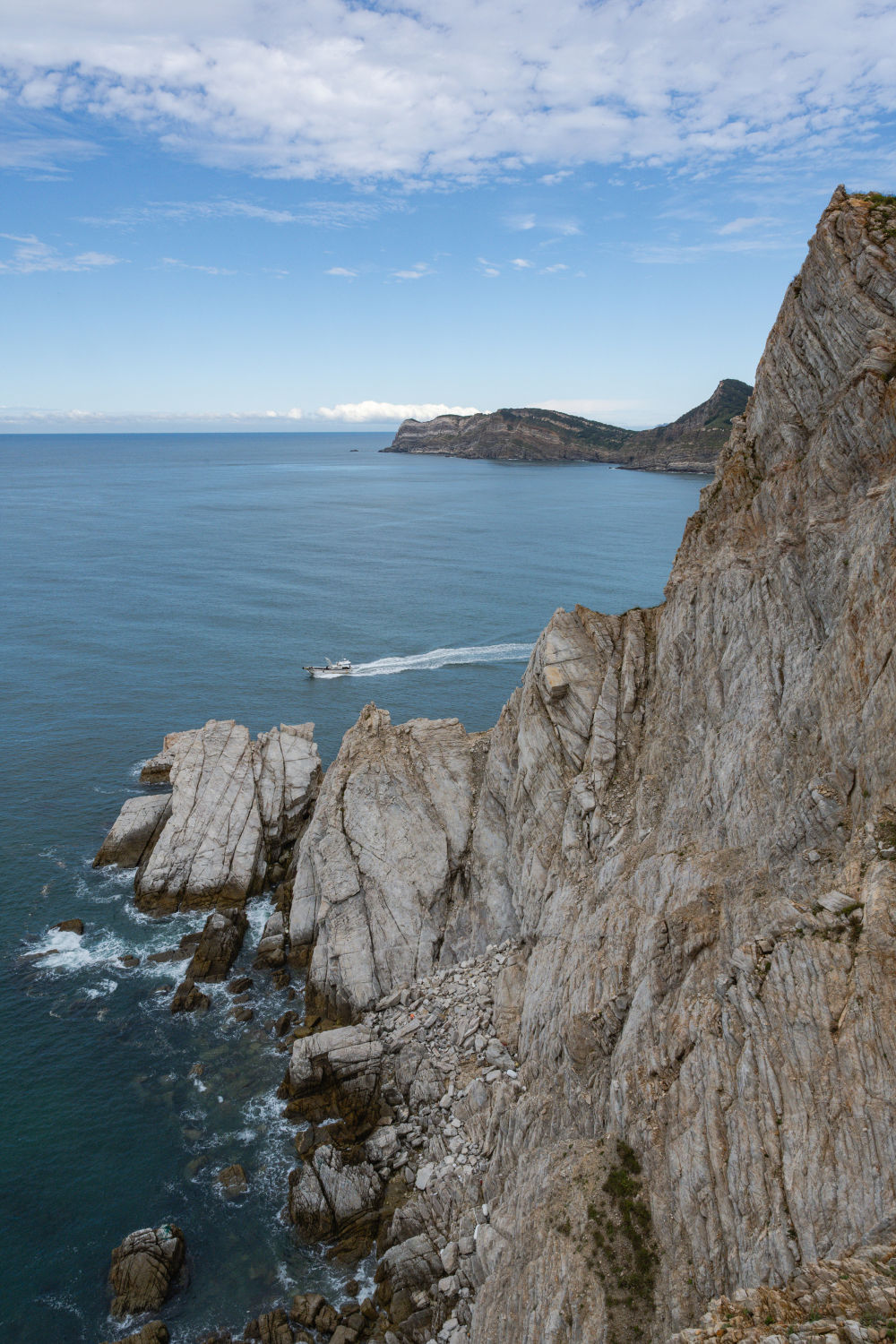
From sedges rooted in crevices between the rocks to groves of pine trees growing low to withstand the sea winds, Seopungbaji presents a raw landscape shaped by the collision of rugged terrain and resilient life. From the observation decks scattered along the route, the vastness of the distant sea and the dizzying drop of the sheer cliffs make you feel as though you are walking through a magnificent canvas painted by nature.
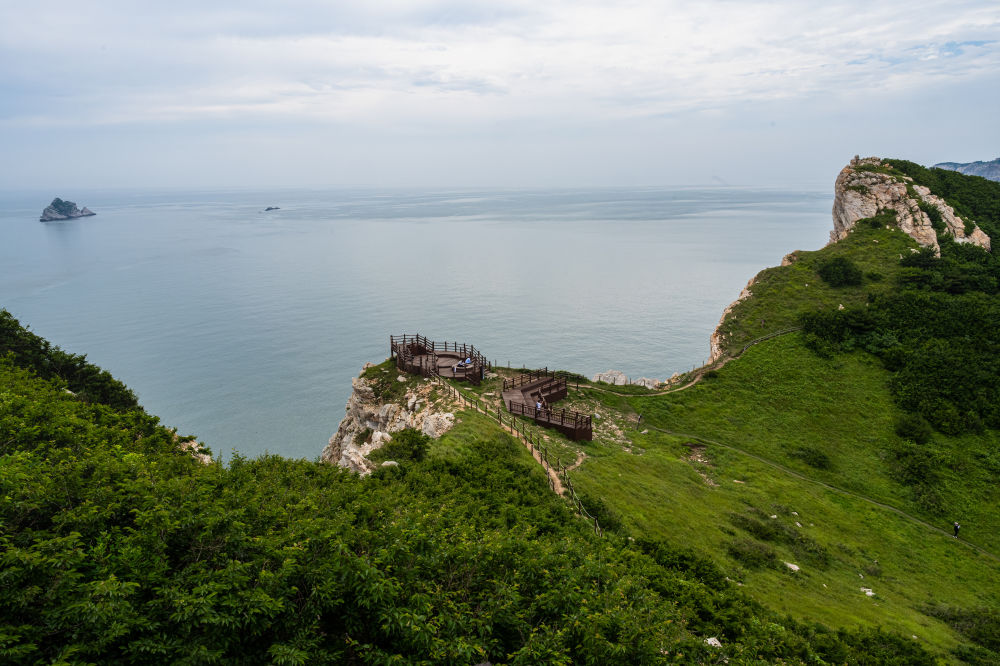
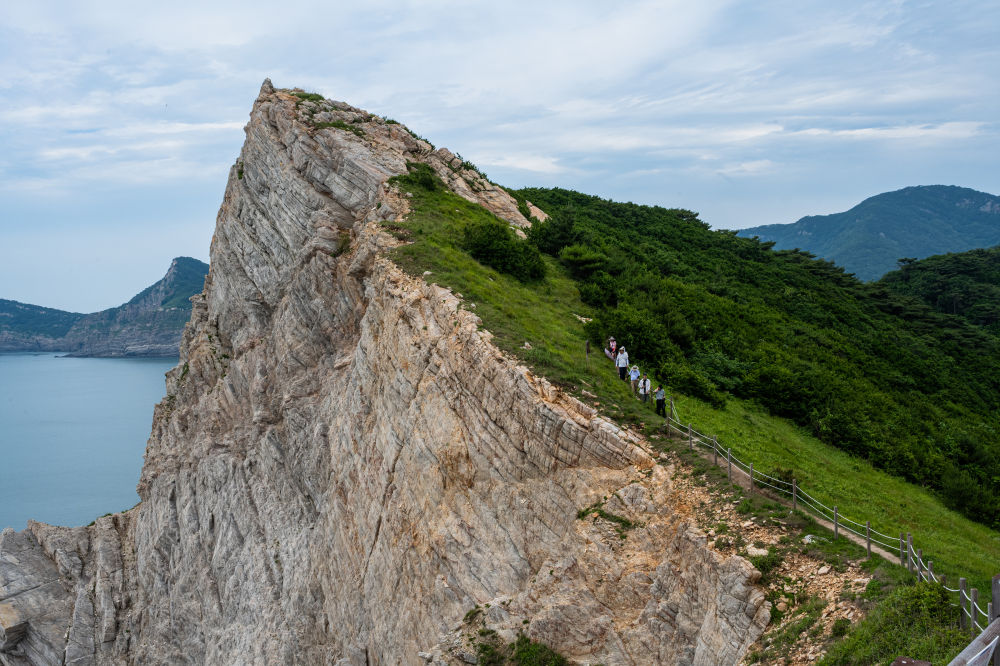
The route begins at Gwangnandu Pavilion, loops around Seopungbaji, and returns to the starting point. Although only 3.2 km long, the trail lets you feel the immense power of nature beneath your feet. Even travelers who find the Samseo Trekking Trail route too demanding rarely leave Seopungbaji off their itinerary.
- AddressDaecheong-ri, Daecheong-myeon, Ongjin-gun, Incheon
- Inquiries032-899-3610
- Websitewww.ongjin.go.kr/tour
SPOT7 Haeneomi Observatory
Take moment to pause and breathe before magnificent views
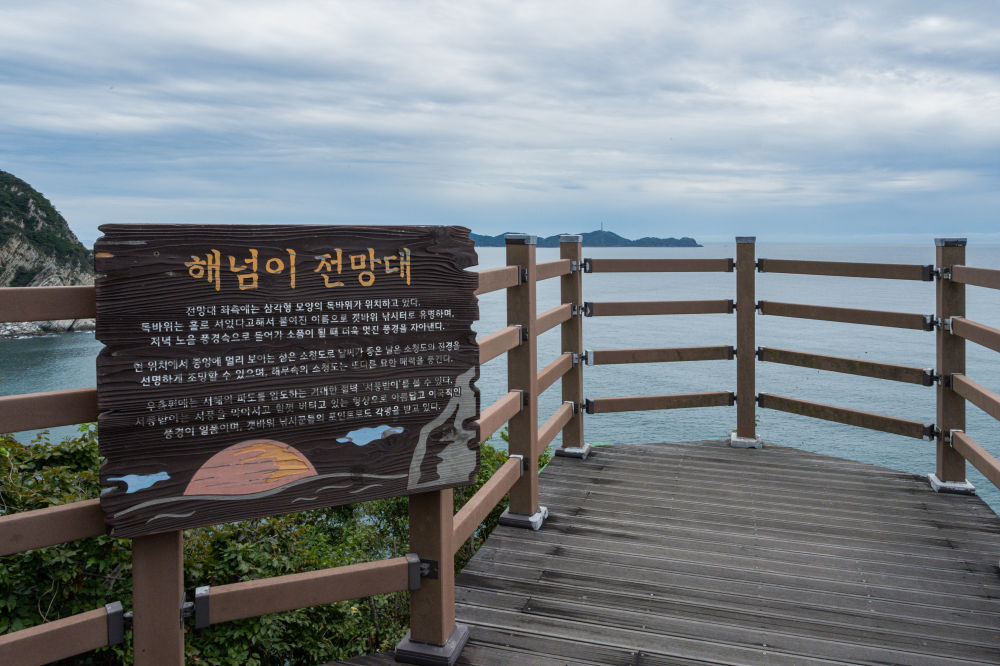
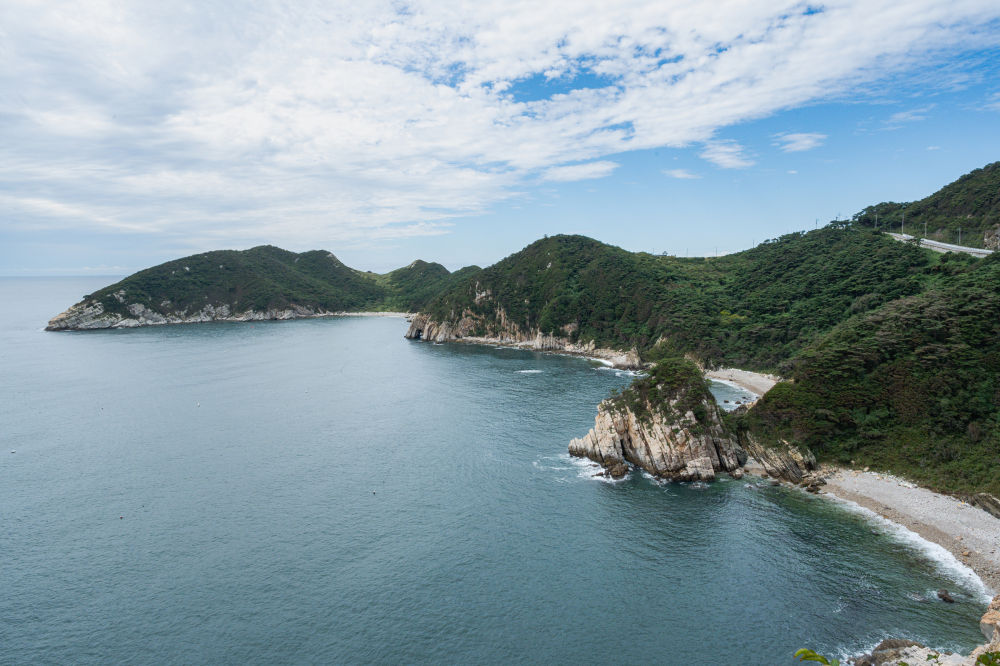
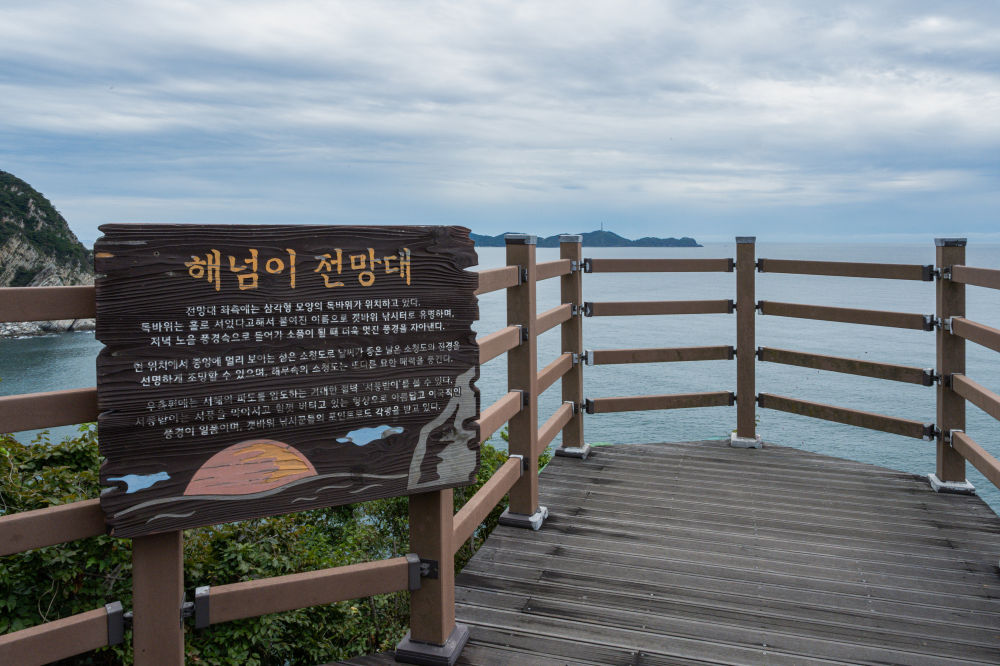
Follow the trail south of Gwangnandu Pavilion for about 400 m, then take a few steps toward the coast, and the Haeneomi Observatory comes into view. Although it is easily accessible, it is also easy to pass by without noticing, so keep an eye out for it.
From the observatory, you can take in views of Socheongdo Island across the sea as well as Daecheongdo’s spectacular coastline, shaped by unusual rock formations such as Dokbawi Rock and Gireumagari. As sunset approaches, however, the observatory transforms into a tranquil space where even the rugged energy of the West Sea seems to subside.
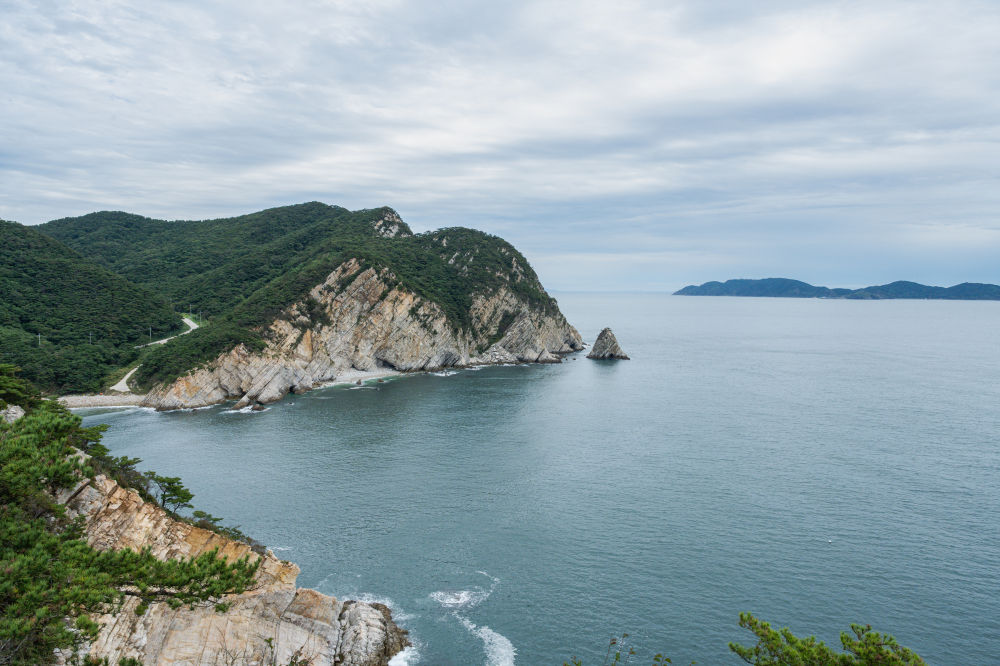
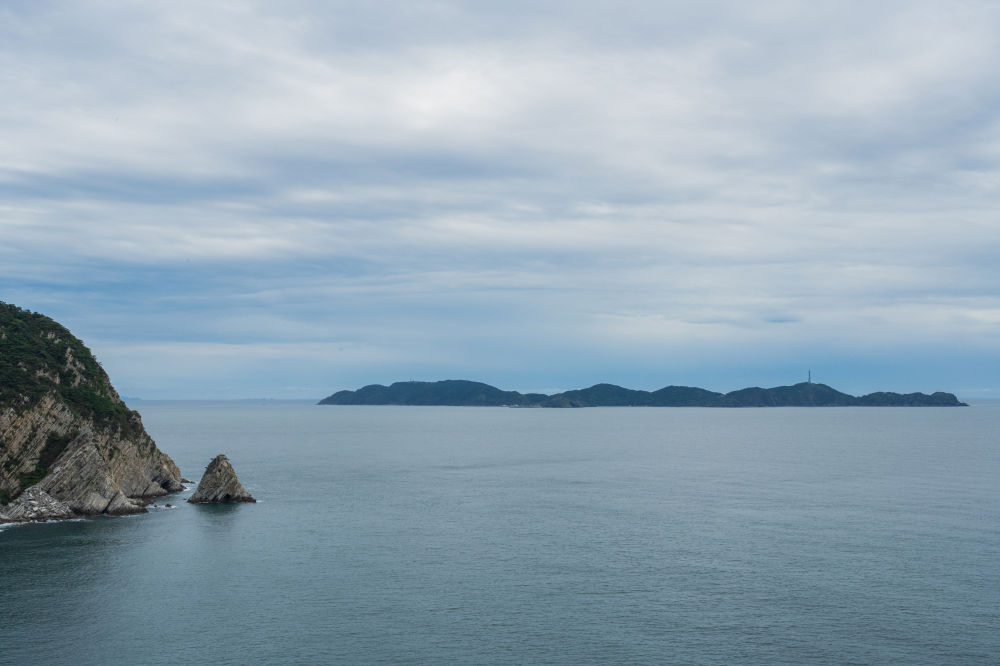
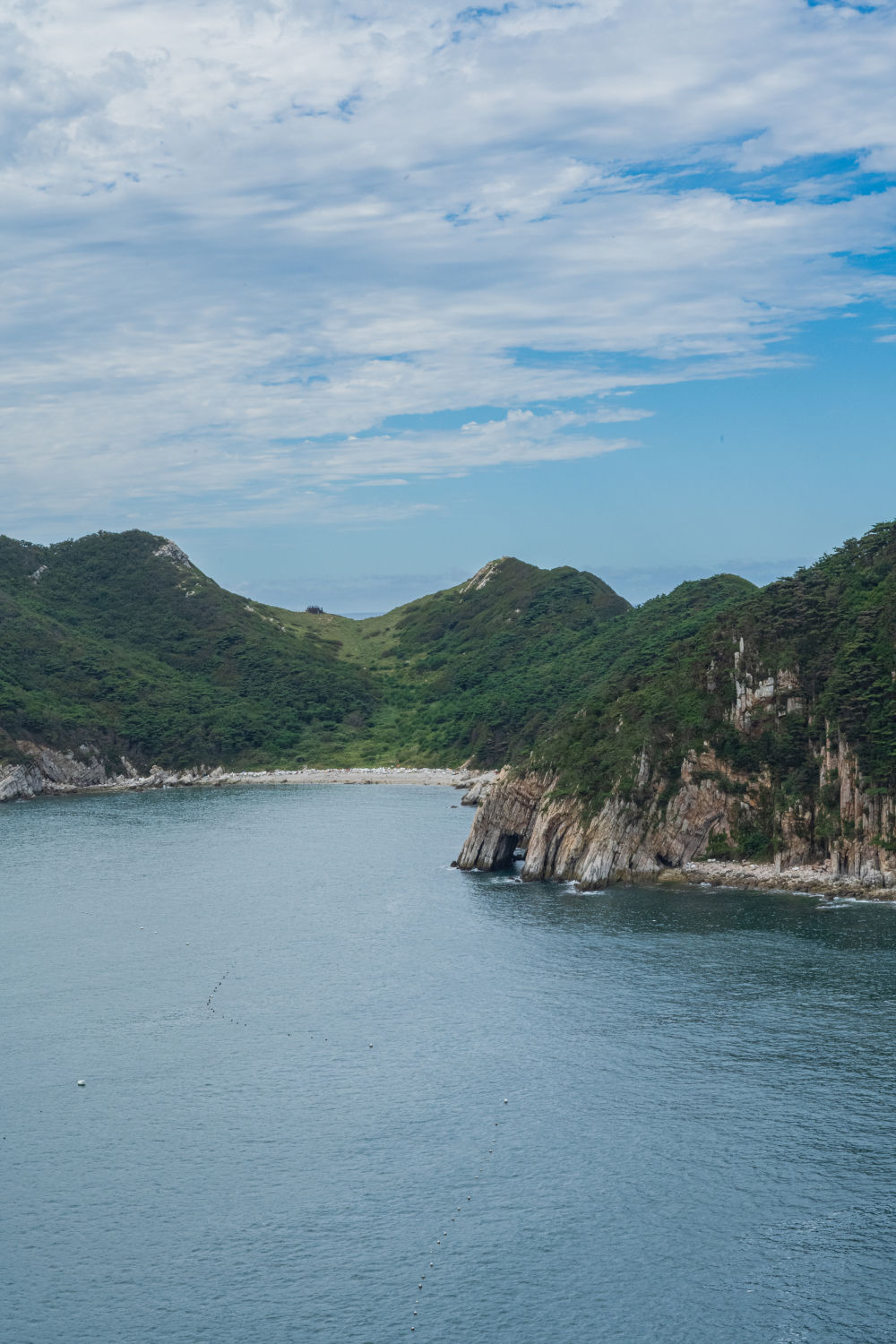
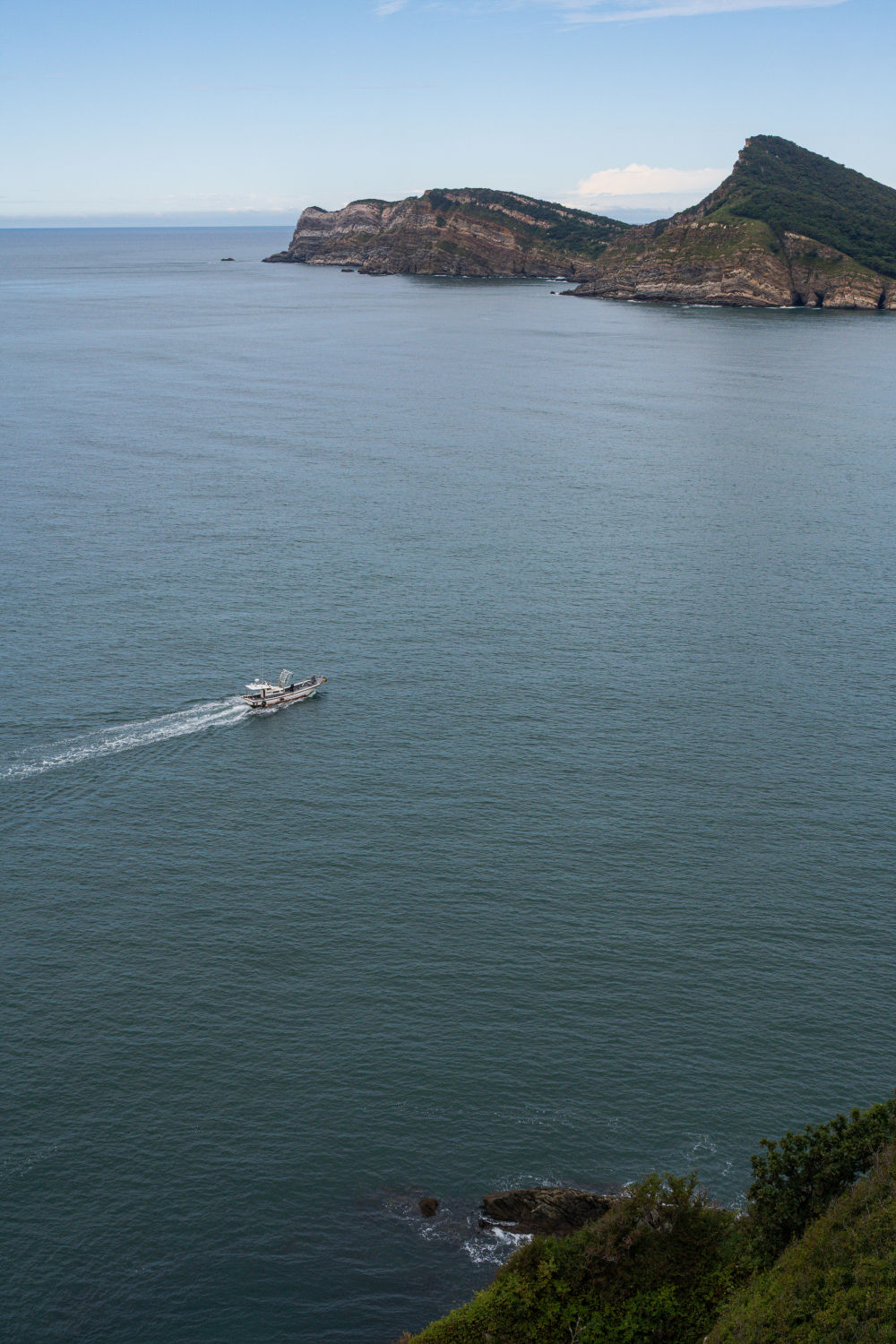
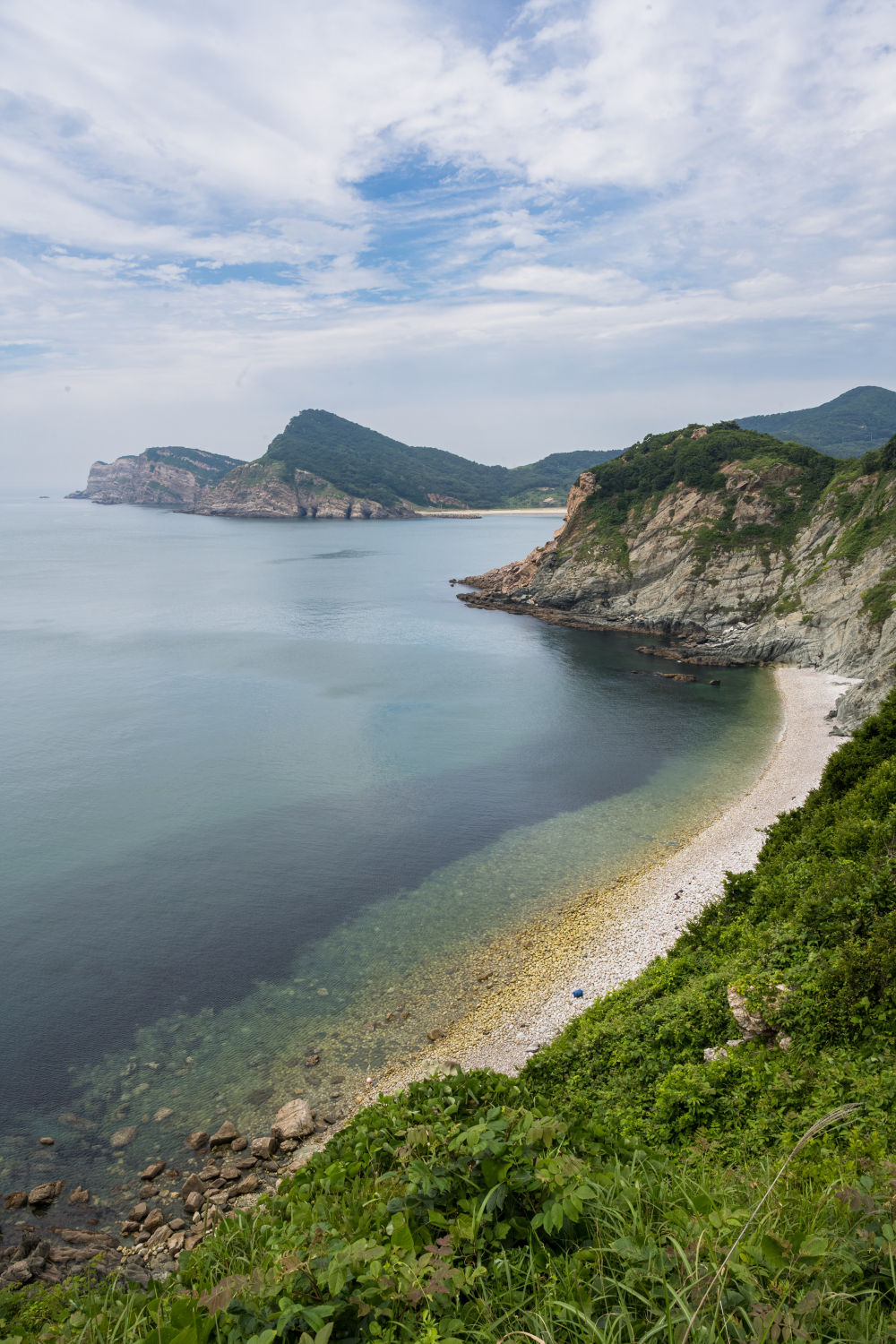
As the sun sinks behind heavy clouds at the end of the day, travelers can slow their breathing and take in the view in their own way. On an island, there are moments reserved only for those who do not rush. At times, even the stillness and silence leave a lasting impression. That is why the view from the observatory railing can offer such a profound sense of comfort.
- AddressDaecheong-ri, Daecheong-myeon, Ongjin-gun, Incheon
- Inquiries032-899-3610
- Websitewww.ongjin.go.kr/tour
🎣 The Exquisite Taste of Fresh Skate

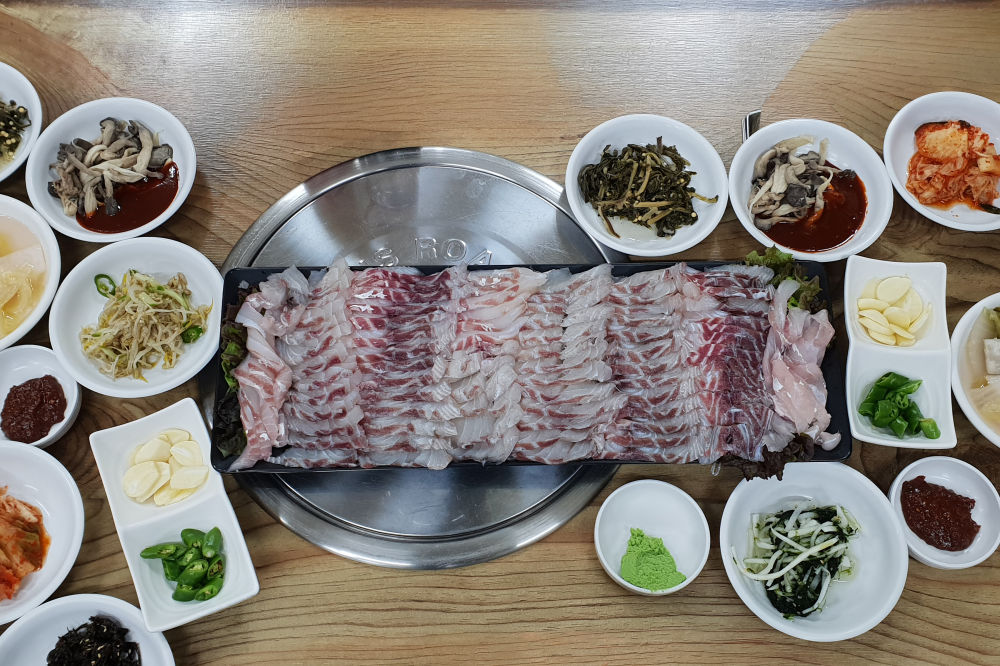
Along with Heuksando, Daecheongdo Island is renowned for its skate. Daecheongdo skate has enjoyed a distinguished reputation since ancient times, even being recorded in the Newly Augmented Geographical Conspectus of the Eastern Territory as one of the signature specialties of the Incheon Protectorate.
In fact, Daecheongdo fishermen played an important role in establishing the reputation that Heuksando skate enjoys today. In the 1970s, some skilled fishermen from Daecheongdo moved to Heuksando and passed on the geonjunak fishing technique, which catches skate using bare hooks without bait. Like Heuksando, Daecheongdo is known for enjoying skate fresh rather than fermented. Its pleasantly chewy texture and mild, delicate flavor are a special pleasure best experienced right where it is caught.

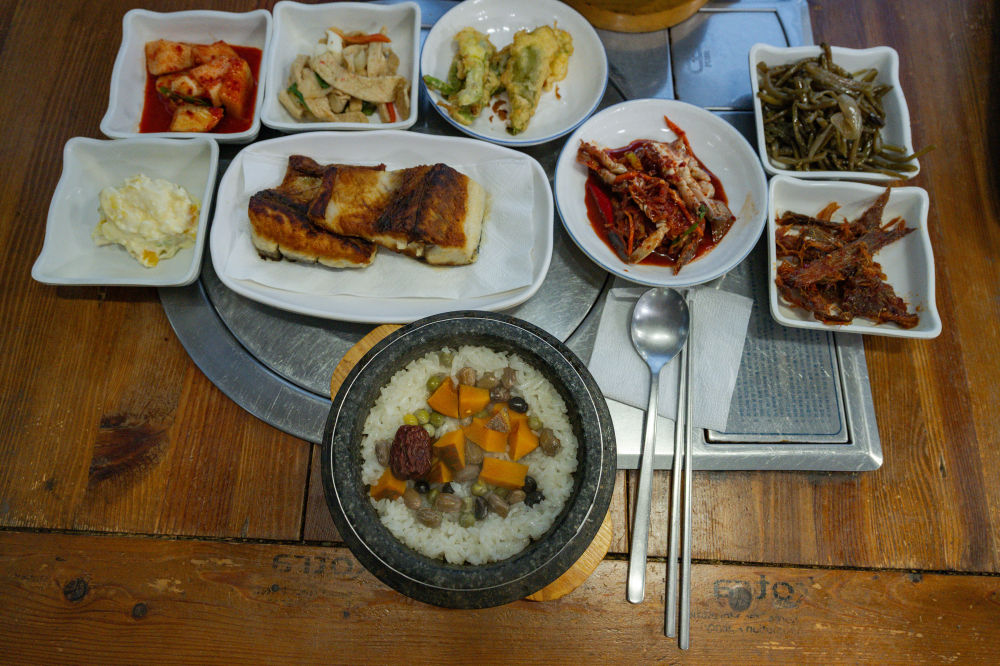
And skate is not the only reason Daecheongdo is known as an island of culinary delights. The island is also abundant in blue crabs, rockfish, Spanish mackerel, and mussels. Pallaengi hoe, made with fresh ray, is another local delicacy not to be missed on Daecheongdo.
✔️ Other Attractions
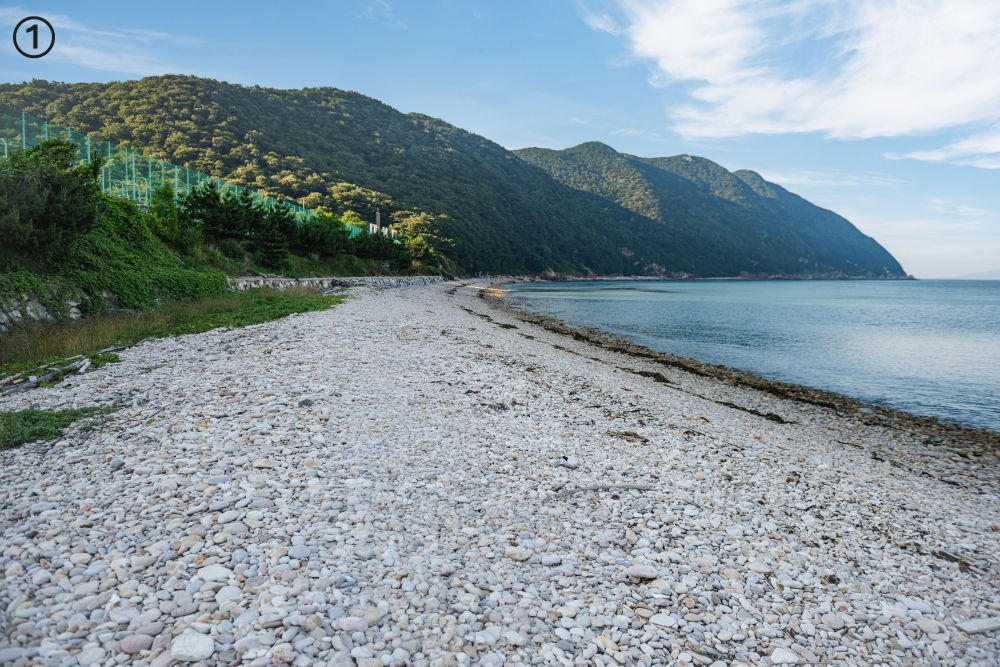
① Dapdong Beach
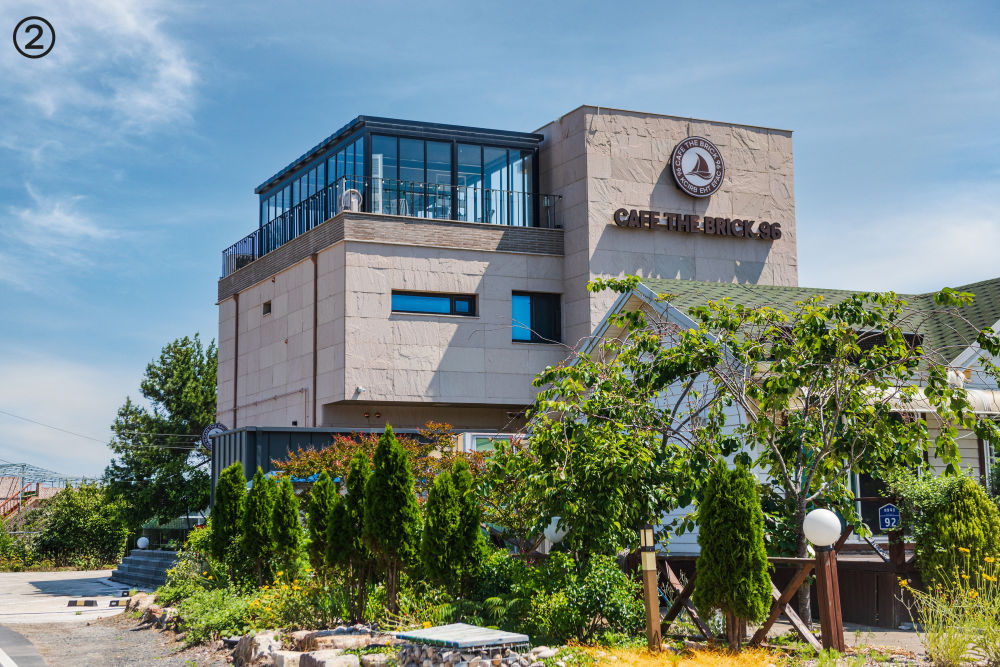
② Cafe The Brick 96
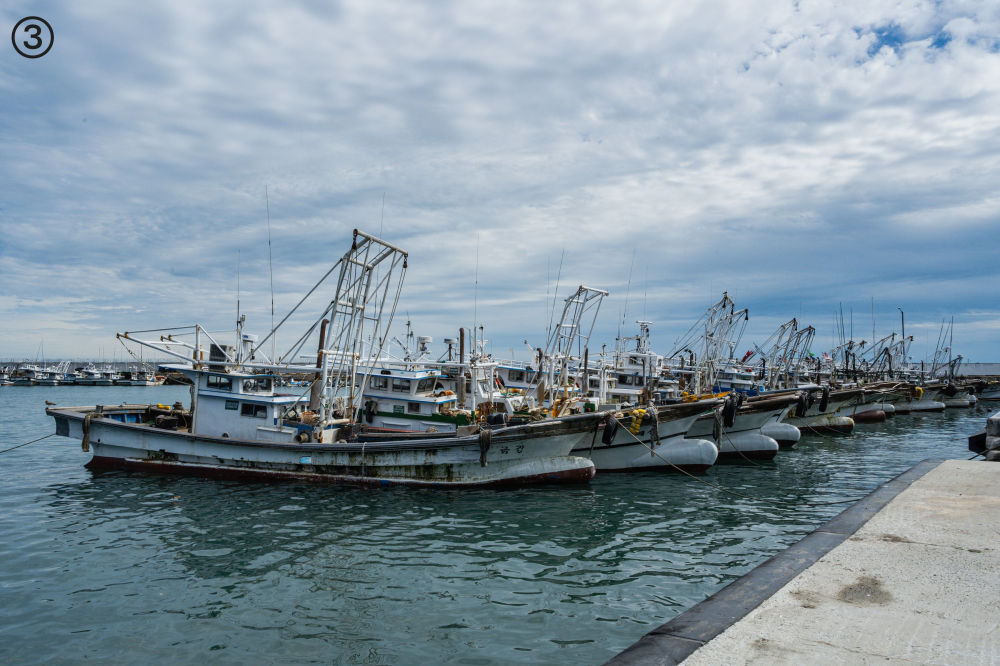
③ Seonjin Port
🚤 Enjoy Travel Benefits on Your Island Getaway!
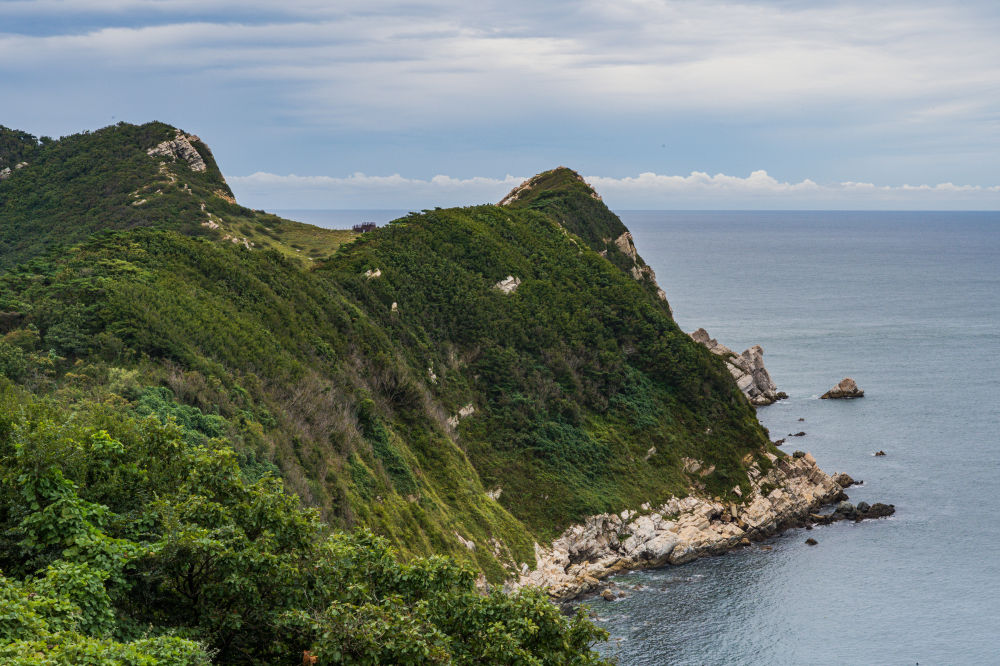
To celebrate 2026 as the “Visit the Islands Year,” take advantage of the government’s travel expense support program and enjoy benefits worth up to KRW 100,000.
Under the Second Comprehensive Development Plan for the Five West Sea Islands, a 10-year initiative running from 2026 to 2035, Daecheongdo Island will further strengthen its tourism infrastructure. Along with improving living conditions for residents, the plan will expand tourism facilities at key locations and enhance accessibility, helping establish Daecheongdo as a “sustainable island travel destination.”
- - Korea Shipping Association Ferry Reservations: island.haewoon.co.kr

-
- 29 Jeonggak-ro (1138 Guwol-dong), Namdong-gu, Incheon 21554, Korea
- TEL : +82-32-120 / FAX : +82-440-3009
Copyright 2020(c) Incheon Metropolitan City.
All right reserved. -
General Tourism Inquiries
1330 / 032-832-3031 -
ITOUR SNS


