


 19
1910 Places to Visit in Sinsimodo and Yeongjongdo for Chuseok


📍 Sindo Peace Bridge: Connecting Yeongjongdo and Sinsimodo
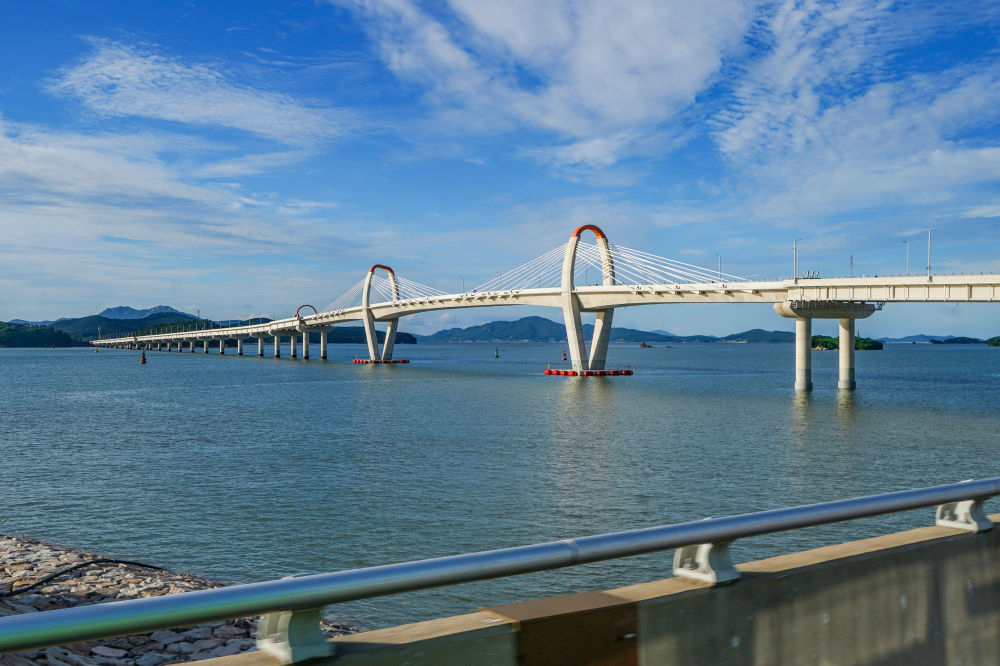
On July 14, the Sindo Peace Bridge connecting Yeongjongdo Island and the Sinsimodo Islands opened. The two-lane bridge has a dedicated bicycle and pedestrian path alongside the roadway. The Sinsimodo Islands are now just a 10-minute drive from Unseo Station on the Airport Railroad. Best of all, visitors can reach the islands regardless of the tides, weather, or ferry schedules.
With travel time significantly reduced, even a day trip has become much more leisurely. Still, a two-day, one-night itinerary is recommended to fully enjoy both the charm of the island villages and Incheon as a coastal city. This Chuseok holiday, why not head to Sinsimodo and Yeongjongdo, some of the easiest islands to reach from Seoul?
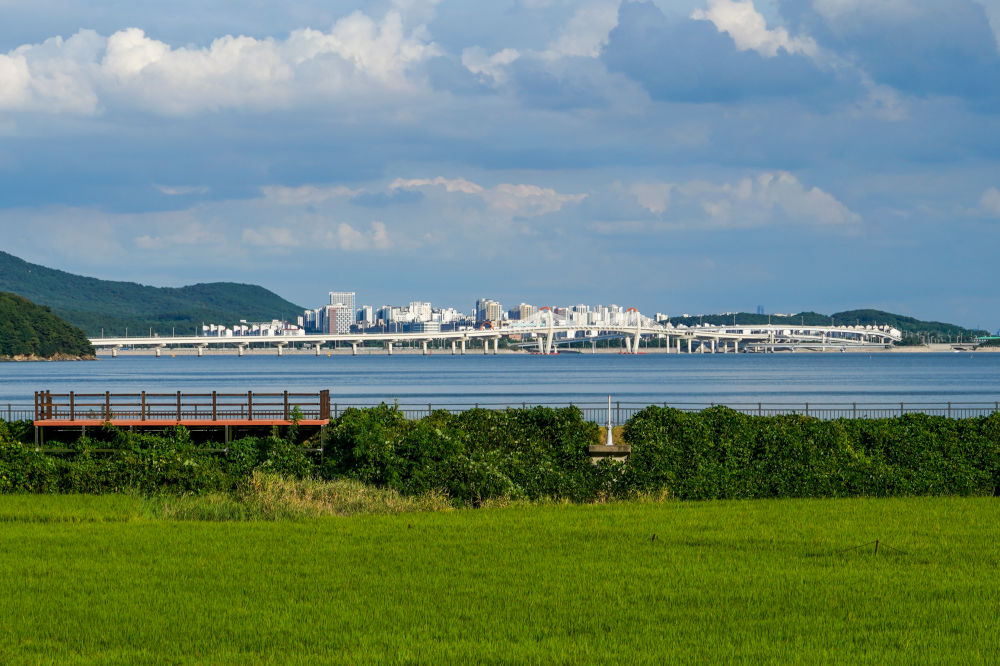
The three islands of Sindo, Sido, and Modo are collectively known as “Sinsimodo.” The three islands are lined up in descending order of size, almost like three siblings. Just as everyone has their own personality, each of the three islands has its own distinct character. The three islands are connected by bridges, and an hour is enough to take a quick drive around all three, but that would hardly do them justice.
The vast tidal flats that cannot be taken in at a glance, the sea glittering in the sunlight, the sprawling fields that put the mind at ease, and the rustic island-village scenery will have you pressing the camera shutter nonstop. Savor fresh seasonal seafood, go on a one-island, one-café tour, and recharge your weary senses. Rediscovering Sinsimodo in all its natural beauty was the greatest gift of this journey.

Travel Writer Kim Hye-young Kim Hye-young is a travel writer who enjoys exploring Korea on foot. Her favorite travel keywords are “solo travel, small towns, retro, photography, and walking.” She writes travel columns for various corporate publications and magazines. Her books include Strolling Around Seoul, 99 Weekend Travel Bucket List Destinations, and Korea’s Seasonal Destinations Searched by 50 Million People. She has also co-authored numerous other travel books.
SPOT1 [Sindo] Waterfront Park
A walking trail next to Sindo Port
![[Sindo] Waterfront Park 01](https://itour.incheon.go.kr/upload/image/2026/09/21/fc5341bf-25c3-4cf5-b8c8-c14457c7d01d.jpg)
![[Sindo] Waterfront Park 02](https://itour.incheon.go.kr/upload/image/2026/09/21/0c74cb36-70eb-4c7c-b433-e8513ef3b81a.jpg)
![[Sindo] Waterfront Park 03](https://itour.incheon.go.kr/upload/image/2026/09/21/b9b23761-c793-4e46-a4e7-ff4d6fcc4380.jpg)
![[Sindo] Waterfront Park 04](https://itour.incheon.go.kr/upload/image/2026/09/21/91528c3d-4a10-4e25-9b80-5e24a11d04fb.jpg)
A waterfront park lies along the coast behind Sindo Bada Station (formerly a ticket office) at Sindo Port. Pass the breakwater where anglers gather, and you will come to a coastal deck trail. Take the stairs connected to the deck down to the beach, where you can enjoy watching thousands of crabs feeding on the tidal flats.
![[Sindo] Waterfront Park 05](https://itour.incheon.go.kr/upload/image/2026/09/21/4b5684d1-28f3-4aa5-874d-2b93c6fe70eb.jpg)
![[Sindo] Waterfront Park 06](https://itour.incheon.go.kr/upload/image/2026/09/21/8dfa345e-cd16-4e41-9153-5223250ee20d.jpg)
![[Sindo] Waterfront Park 07](https://itour.incheon.go.kr/upload/image/2026/09/21/6f885755-1778-4446-b40d-03aca1c4b80a.jpg)
![[Sindo] Waterfront Park 08](https://itour.incheon.go.kr/upload/image/2026/09/21/cbaa77df-8763-434a-861f-89dccb68cc09.jpg)
About a five-minute walk along the coastal deck trail brings you to a reservoir created by blocking off part of the sea. A deck trail runs along the right side of the reservoir, while an unpaved embankment path follows the left side bordering the sea. Either route takes you around the entire reservoir in about 30 minutes. Reeds, thick vegetation, and salt-tolerant plants flourish around the reservoir, giving the trail the rustic charm of a country lane. Sindo Bada Station, which no longer operates as a ticket office, is now used as a rest area and a shop selling local specialties such as sweet pumpkins, garlic, and reishi mushrooms.
- Address5, Sindo-ro, Bukdo-myeon, Ongjin-gun, Incheon
- HoursOpen year-round
[Sindo] Cafe Masukgol
An ocean-view café where you can unwind
![[Sindo] Cafe Masukgol 01](https://itour.incheon.go.kr/upload/image/2026/09/21/efa70c5b-75d6-44eb-86f2-4c258c95ac47.jpg)
![[Sindo] Cafe Masukgol 02](https://itour.incheon.go.kr/upload/image/2026/09/21/1f484619-301f-4532-bbb1-81d5e64b5a06.jpg)
![[Sindo] Cafe Masukgol 03](https://itour.incheon.go.kr/upload/image/2026/09/21/881a8750-50e2-4e02-a318-7a113fa2646b.jpg)
Cafe Masukgol is an ocean-view café located a five-minute drive from Sindo Port. “Masukgol” means “a place at the entrance to the village where horses once rested.” With a forest behind it and the sea stretching out in front, the café features floor-to-ceiling windows on all four sides, offering relaxing views of the open sea, tidal flats, rice paddies, and forest.
![[Sindo] Cafe Masukgol 04](https://itour.incheon.go.kr/upload/image/2026/09/21/ea6f319e-9771-49bf-8882-6da7c6a4af87.jpg)
![[Sindo] Cafe Masukgol 05](https://itour.incheon.go.kr/upload/image/2026/09/21/e337cb73-48c3-44d1-9a05-29b433386003.jpg)
The main building is separate from the building housing the counter and kitchen, keeping mechanical noise away from the seating area. High ceilings and generous spacing between tables also create a comfortable atmosphere. The seating in the pine garden is equally charming.
![[Sindo] Cafe Masukgol 06](https://itour.incheon.go.kr/upload/image/2026/09/21/57eba25b-6e0e-4d8f-8602-441e8c96447b.jpg)
The coffee is another highlight. The signature “Masukgol Latte” features homemade scorched-rice cream over a scorched-rice latte, topped with a horse-shaped sweet pumpkin cookie. It has a pleasantly nutty flavor without being overly sweet. Homemade beverages, bread, and patbingsu (shaved ice with red beans) are also popular. As the tidal flats are exposed twice a day, be sure to check the tide times if you want to see the sea. Around the transition between high and low tide, you can enjoy views of both the tidal flats and the sea.
- Address866, Sindo-ro, Bukdo-myeon, Ongjin-gun, Incheon
- HoursTuesday–Saturday 10:00–18:00 / Sunday 14:00–18:00
(Closed on Mondays) - Inquiries0507-1459-1233
SPOT2 [Sido] Sugi Beach
Sinsimodo’s best spot for water fun
![[Sido] Sugi Beach 01](https://itour.incheon.go.kr/upload/image/2026/09/21/bf4304e7-2a7e-4327-9204-5afe8b7dddeb.jpg)
![[Sido] Sugi Beach 02](https://itour.incheon.go.kr/upload/image/2026/09/21/8af36cbb-b53c-4731-8a45-f50c068ed843.jpg)
![[Sido] Sugi Beach 03](https://itour.incheon.go.kr/upload/image/2026/09/21/2024946e-0175-4f6f-81f6-d49b1b03892e.jpg)
![[Sido] Sugi Beach 04](https://itour.incheon.go.kr/upload/image/2026/09/21/69ab1202-6eae-49f8-971b-729e4f01f848.jpg)
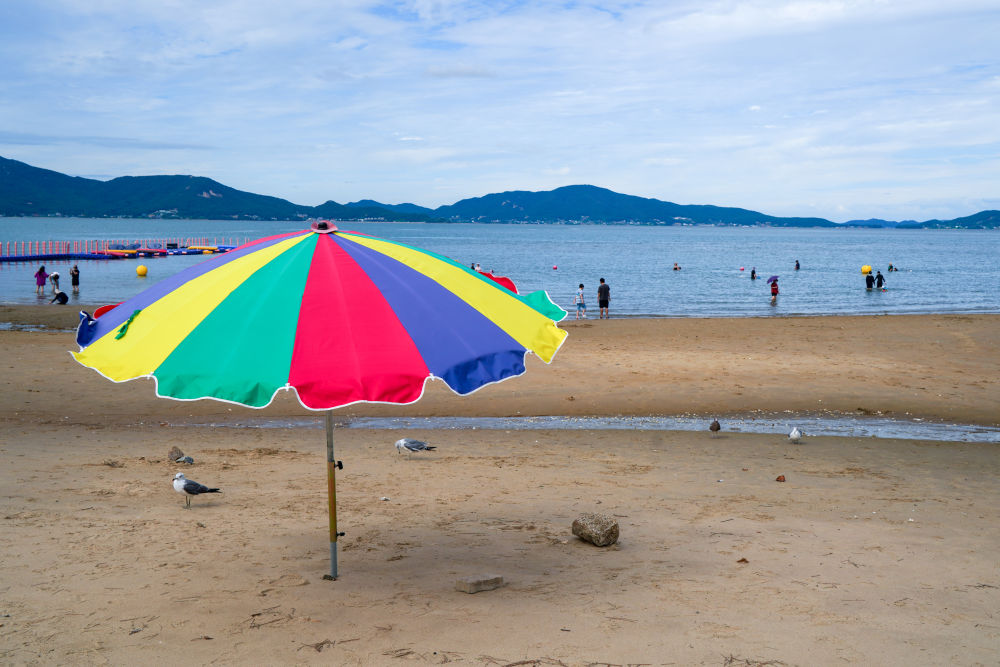
Located at the eastern end of Sido, Sugi Beach is popular with families thanks to its fine sand and shallow water. A dense pine forest behind the beach gives it a cozy atmosphere. The beach was a filming location for the popular 2004 drama Full House (starring Song Hye-kyo and singer Rain), and there is a heart-shaped photo spot in the middle of the beach. Facilities include a campground, picnic zone, shade shelters, showers, a water play area, as well as kayaks and paddle boats. At low tide, visitors can also enjoy tidal-flat experiences.
![[Sido] Sugi Beach 05](https://itour.incheon.go.kr/upload/image/2026/09/21/ed049dab-924a-468a-a42a-4bef1075fae3.jpg)
A hiking trail behind the beach leads to Sugi Observatory, and at low tide, you can also walk there along the beach. As it is not a short walk, it is best to avoid setting out on the hike in the late afternoon.
![[Sido] Sugi Beach 06](https://itour.incheon.go.kr/upload/image/2026/09/21/650c978c-70ef-4363-9ddf-149f1df2ec6c.jpg)
![[Sido] Sugi Beach 07](https://itour.incheon.go.kr/upload/image/2026/09/21/dc577e8b-fb2f-4a98-b22b-9d7b6cf65269.jpg)
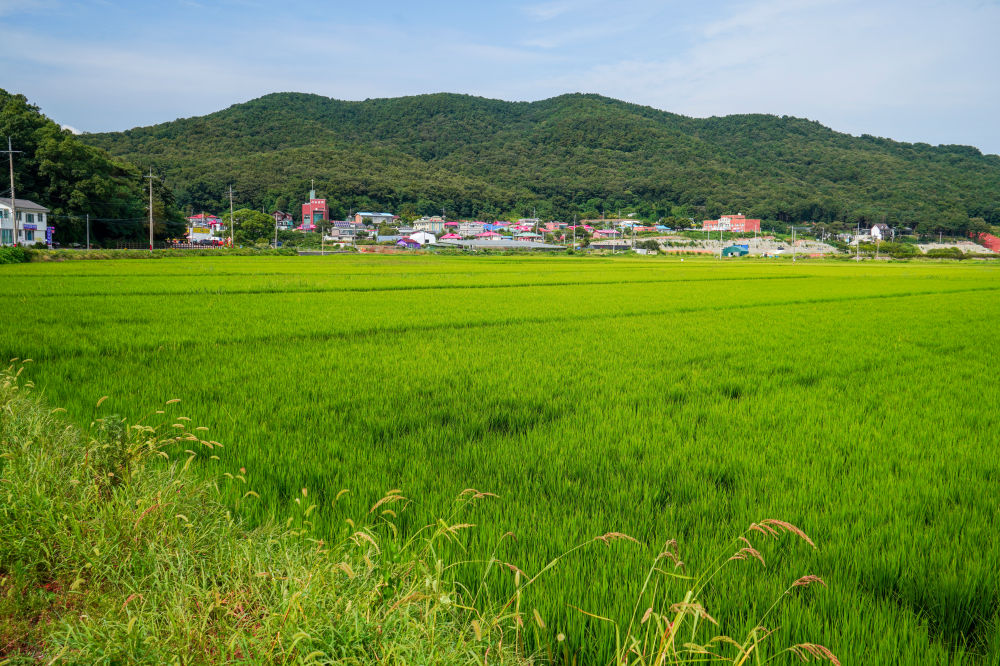
The views of the rice paddies along the way from the Bukdo-myeon Office on Sido to Sugi Beach are also impressive. Although Sinsimodo is a group of islands, its landscape sometimes resembles the rural countryside of the mainland.
- AddressSido-ri, Bukdo-myeon, Ongjin-gun, Incheon
- HoursOpen year-round
- Inquiries032-899-2114
- Campground Reservationshttps://sidocamping.kr/
[Sido] Harabora
A charming café filled with handmade crochet creations
![[Sido] Harabora 01](https://itour.incheon.go.kr/upload/image/2026/09/21/8ef3c592-2608-4733-912e-2831caab586c.jpg)
![[Sido] Harabora 02](https://itour.incheon.go.kr/upload/image/2026/09/21/42e769b3-12d1-49b8-9659-98879f6d668b.jpg)
Of the three islands, Sido has the most developed commercial area, and Harabora is located near the myeon office. Its convenient location makes it a an ideal place to stop on the way to Sugi Beach or Modo. The café catches the eye with its triangular roof, a dol hareubang statue, and a large tree standing out front. The red chair beside the door serves as a popular photo spot.
![[Sido] Harabora 03](https://itour.incheon.go.kr/upload/image/2026/09/21/6e747781-eeb8-4d41-8f7e-a24bfd13873e.jpg)
![[Sido] Harabora 04](https://itour.incheon.go.kr/upload/image/2026/09/21/3c344e5d-d963-460c-9a34-8af21e167eed.jpg)
Although its roadside location does not offer any particularly scenic views, the interior is filled with charming handmade crochet items. Anyone interested in crochet or fond of cute, whimsical aesthetics will find plenty to enjoy. The indoor space is small, but there is a terrace on the second floor. One of the most popular items is chimney cake, a Czech-style dessert made by wrapping dough around a cylindrical form and baking it. It is crisp on the outside and soft and moist inside.
- Address83, Sido-ro, Bukdo-myeon, Ongjin-gun, Incheon
- HoursWednesday–Monday 10:30–19:00 (Closed on Tuesdays)
- Inquiries0507-1341-2460
SPOT3 [Modo] Bakjugi Beach
Unique rock formations and a tidal-flat experience
![[Modo] Bakjugi Beach 01](https://itour.incheon.go.kr/upload/image/2026/09/21/2e5acc3f-a16a-49ce-a4fc-67c7ee277f8a.jpg)
![[Modo] Bakjugi Beach 02](https://itour.incheon.go.kr/upload/image/2026/09/21/0edfdc41-d58f-40c1-adca-5813653f5a3d.jpg)
![[Modo] Bakjugi Beach 03](https://itour.incheon.go.kr/upload/image/2026/09/21/36473f91-b929-4029-9502-c11f47eeb967.jpg)
![[Modo] Bakjugi Beach 04](https://itour.incheon.go.kr/upload/image/2026/09/21/43694001-3934-4115-818f-2dc9895239a1.jpg)
![[Modo] Bakjugi Beach 05](https://itour.incheon.go.kr/upload/image/2026/09/21/d3c9f8b6-9cde-4ba4-8f9d-58b3f1dc2eff.jpg)
Located at the southern end of Modo Island, Bakjugi Beach takes its name from its resemblance to the shape of a bat. The beach is characterized by rugged bedrock and unusually shaped rock formations. Depending on their shapes, they have been given names such as Mother Bear and Baby Bear Rock, Gorilla Rock, Bulldog Rock, Mole Rock, and Diving Crocodile Rock. Long-term wave erosion and weathering have created honeycomb, tree-ring, and wave-like patterns on the rock surfaces. Among them, a lone pine tree growing from a crevice in the rocks is particularly eye-catching.
![[Modo] Bakjugi Beach 06](https://itour.incheon.go.kr/upload/image/2026/09/21/77174b1b-b2f7-4660-8cb6-b6e69d97f9da.jpg)
![[Modo] Bakjugi Beach 07](https://itour.incheon.go.kr/upload/image/2026/09/21/0f12590c-79e5-4322-93ea-8b6b388bb537.jpg)
![[Modo] Bakjugi Beach 08](https://itour.incheon.go.kr/upload/image/2026/09/21/3cf3b9f8-7e3a-4647-809b-c5536d7a8be9.jpg)
You can enjoy tidal-flat activities at Modori Fishing Village Experience and Recreation Village. At Bakjugi Beach, you can mostly dig for clams. Be sure to check the tide times with the management office before taking part. Boots, baskets, and hand hoes are available for rent.
- Address263-43, Modo-ri, Bukdo-myeon, Ongjin-gun, Incheon
- Inquiries010-2867-4527 (Tidal-flat Experience Center Management Office)
- Tidal-flat experience feeKRW 10,000 per person (Up to 2 kg per person)
[Modo] Baemikkumi Beach
An outdoor sculpture gallery created by nature
![[Modo] Baemikkumi Beach 01](https://itour.incheon.go.kr/upload/image/2026/09/21/739074cc-3285-4b6d-8864-58ed86801c16.jpg)
![[Modo] Baemikkumi Beach 02](https://itour.incheon.go.kr/upload/image/2026/09/21/ecd3eb75-f273-4113-980d-704fe846da6e.jpg)
At low tide, you can walk along the coast from Bakjugi Beach to Baemikkumi Beach in less than 10 minutes. At high tide, take the coastal forest trail instead, which takes about the same amount of time. Unlike the rocky Bakjugi Beach, Baemikkumi Beach is a sandy beach.
![[Modo] Baemikkumi Beach 03](https://itour.incheon.go.kr/upload/image/2026/09/21/6f0c06a1-b9e2-4e29-9956-13c37831b4e8.jpg)
![[Modo] Baemikkumi Beach 04](https://itour.incheon.go.kr/upload/image/2026/09/21/cb91413c-31ad-402a-b75a-477bb9816ebd.jpg)
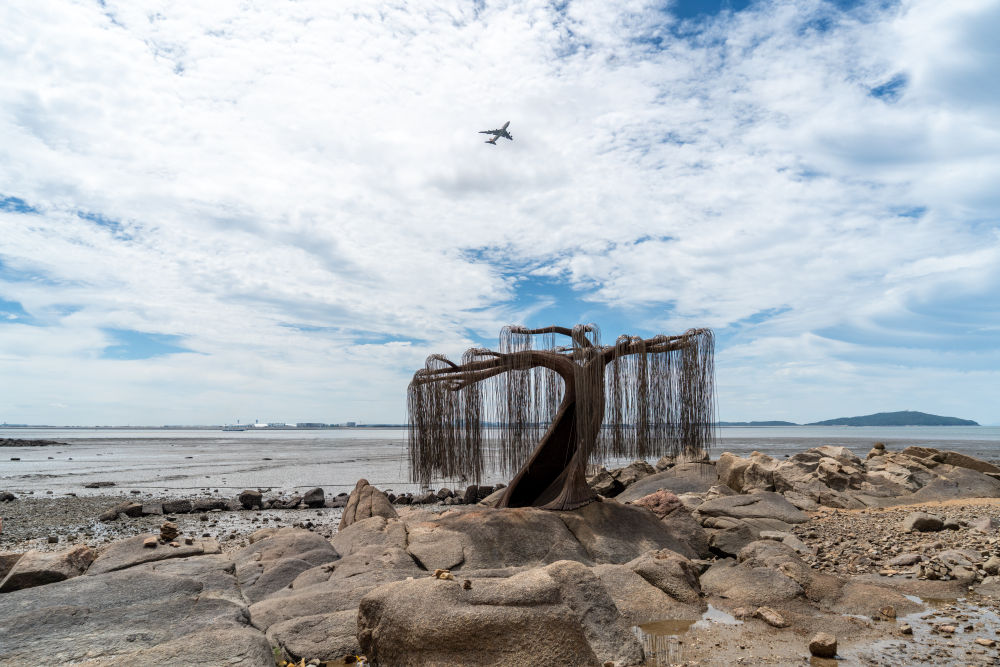
At the end of the beach is a sculpture park featuring works by sculptor Lee Il-ho. The large, vividly colored sculptures bring a lively touch to what might otherwise be a rather simple stretch of coastline. The signature work is Mr. Willow, a willow-shaped sculpture standing on the rocky shore. Its steel structure, designed to resemble willow branches, sways in the wind and produces a distinctive sound.
![[Modo] Baemikkumi Beach 05](https://itour.incheon.go.kr/upload/image/2026/09/21/25dd9379-a528-4bcf-a983-87000bb1487c.jpg)
![[Modo] Baemikkumi Beach 06](https://itour.incheon.go.kr/upload/image/2026/09/21/47c6b353-5ea6-4fd2-bed7-88b6733cc316.jpg)
![[Modo] Baemikkumi Beach 07](https://itour.incheon.go.kr/upload/image/2026/09/21/c0d15d13-038b-4a8a-b2f9-b6bb2e2f67f8.jpg)
The sculptures, numerous stone towers built by visitors on the coastal rocks, and airplanes frequently passing overhead come together to create a landscape unique to Baemikkumi Beach. Recently, the massive bakery café “Tiger Beach in Modo” opened next to the sculpture park and is quickly emerging as a popular attraction.
- Address41, Modo-ro 140beon-gil, Bukdo-myeon, Ongjin-gun, Incheon
- Inquiries032-752-7215
[Modo] Haedanghwa Nadeulmok
A local favorite for Sinsimodo’s seasonal seafood and sea snail dishes
![[Modo] Haedanghwa Nadeulmok 01](https://itour.incheon.go.kr/upload/image/2026/09/21/a641987e-9041-4d3c-bda2-dec83aac4380.jpg)
One of the great pleasures of island travel is tasting fresh seasonal seafood. Sinsimodo is known for its abundant sea snails, and there are many restaurants specializing in sea snail dishes. Menus include sea snail bibimbap, sea snail kalguksu, rice topped with raw sea snail, steamed sea snail, sea snail mulhoe, sea snail ramyeon, and seasoned sea snail salad.
![[Modo] Haedanghwa Nadeulmok 02](https://itour.incheon.go.kr/upload/image/2026/09/21/bd633d2c-ee37-4982-9a3b-6eefc073cbde.jpg)
![[Modo] Haedanghwa Nadeulmok 03](https://itour.incheon.go.kr/upload/image/2026/09/21/2757a8f6-ea07-4a21-adcd-059b32b12568.jpg)
![[Modo] Haedanghwa Nadeulmok 04](https://itour.incheon.go.kr/upload/image/2026/09/21/5c57c3b3-ca96-488d-9ac0-a0f699b0ea70.jpg)
![[Modo] Haedanghwa Nadeulmok 05](https://itour.incheon.go.kr/upload/image/2026/09/21/90aa174f-525a-4f0d-a6f6-b8441834a77a.jpg)
Located near Baemikkumi Beach and Bakjugi Beach, Haedanghwa Nadeulmok is a well-known restaurant on Sinsimodo. The sea snail bibimbap and sea snail kalguksu are generously loaded with sea snails, making them well worth the price. The restaurant is also generous with its delicious side dishes. With the exception of stews and soups, dishes can be ordered in individual servings. The menu also includes sliced raw fish, fresh rockfish soup, and flatfish mulhoe.
- Address39, Modo-ro 50beon-gil, Bukdo-myeon, Ongjin-gun, Incheon
- HoursWednesday–Monday 10:00–18:00 (Closed on Tuesdays)
- Inquiries0507-1408-2357
SPOT4 [Yeongjongdo] Yedanpo Dulle-gil Trail
A little olle trail hidden in Incheon
![[Yeongjongdo] Yedanpo Dulle-gil Trail 01](https://itour.incheon.go.kr/upload/image/2026/09/21/41afa944-ac2a-4847-bef4-d219f4fda9ec.jpg)
![[Yeongjongdo] Yedanpo Dulle-gil Trail 02](https://itour.incheon.go.kr/upload/image/2026/09/21/c10fb5f4-b03b-4050-8e17-46e505624d93.jpg)
![[Yeongjongdo] Yedanpo Dulle-gil Trail 03](https://itour.incheon.go.kr/upload/image/2026/09/21/63a05652-656c-4557-9210-5125c9b1c213.jpg)
This walking trail winds around the hills surrounding Yedanpo Port in northeastern Yeongjongdo. It is a great place to take a seaside stroll after stopping by one of the raw fish restaurants or cafés at the port.
The round trip takes about 30 minutes, with the route turning back at the octagonal pavilion. The trail begins in a dense forest. After about five minutes, you reach a narrow path where the sea peeks through the trees. The vegetation is so thick that some sections are only wide enough for one person to pass at a time.
![[Yeongjongdo] Yedanpo Dulle-gil Trail 04](https://itour.incheon.go.kr/upload/image/2026/09/21/101567f8-b6bc-4b4f-af15-0d347f362ed1.jpg)
![[Yeongjongdo] Yedanpo Dulle-gil Trail 05](https://itour.incheon.go.kr/upload/image/2026/09/21/3ff92409-0fb7-430d-861b-ffeccfe213de.jpg)
![[Yeongjongdo] Yedanpo Dulle-gil Trail 06](https://itour.incheon.go.kr/upload/image/2026/09/21/cfc7ce3c-ce7c-4bab-bafa-010c731f5240.jpg)
Beyond this section, the view opens up to reveal the sea. The sight of the trail tracing an ocher-colored line across the green coastal cliffs is enough to draw an exclamation of wonder. Though short, the trail offers a surprisingly varied range of scenery, making it feel like a miniature version of Jeju’s Olle Trail. The flower-lined path below the octagonal pavilion is the highlight of the route.
![[Yeongjongdo] Yedanpo Dulle-gil Trail 07](https://itour.incheon.go.kr/upload/image/2026/09/21/d3067571-a365-4ccb-8363-ce8b34883fbe.jpg)
- Address2-10, Yedanpo 1-ro, Yeongjong-gu, Incheon
- HoursOpen at all times
- Inquiries032-832-3031 (Incheon Tourist Information Center)
[Yeongjongdo] Gueup Baeteo
Where the charm of an old port lives on
![[Yeongjongdo] Gueup Baeteo 01](https://itour.incheon.go.kr/upload/image/2026/09/21/54cac974-11be-48b6-af1d-4e2f0e1e5820.jpg)
![[Yeongjongdo] Gueup Baeteo 02](https://itour.incheon.go.kr/upload/image/2026/09/21/e544b3ee-da43-4312-a44b-94a2d0524557.jpg)
Gueup Baeteo is a ferry terminal on the southeastern coast of Yeongjongdo, also known as the “Old Ferry Landing” and “Yeongjongjin Ferry Terminal.” Passenger ferries traveling between Wolmido and Yeongjongdo stop here. The two areas are about 2 km apart, and the ferry ride takes around 15 minutes. Fares are also affordable. You can take the ferry to Wolmido and extend your trip to the Dongincheon area.
![[Yeongjongdo] Gueup Baeteo 03](https://itour.incheon.go.kr/upload/image/2026/09/21/0778fa5d-c09f-4fe7-ad66-e623c2b67e38.jpg)
![[Yeongjongdo] Gueup Baeteo 04](https://itour.incheon.go.kr/upload/image/2026/09/21/a251d79c-c6d5-42fe-a091-1a420d657588.jpg)
![[Yeongjongdo] Gueup Baeteo 05](https://itour.incheon.go.kr/upload/image/2026/09/21/bcb2edc6-adb0-45cd-ae71-e5f65aee5205.jpg)
![[Yeongjongdo] Gueup Baeteo 06](https://itour.incheon.go.kr/upload/image/2026/09/21/cc912d61-db8d-498b-856c-4e6cdec89af6.jpg)
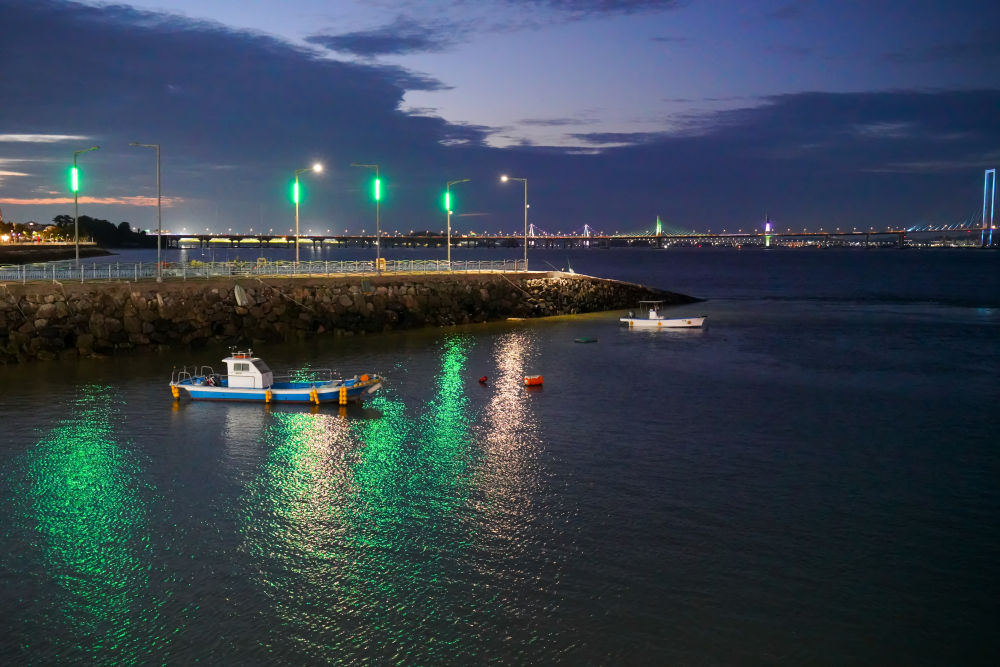
Gueup Baeteo is appealing for the old-port atmosphere it offers within the city. It is also interesting to compare the scenery when the tidal flats are exposed at low tide with the view when the harbor fills with seawater at high tide. Another way to enjoy Gueup Baeteo is to take in the nighttime view of Yeongjong Bridge from the breakwater or a hotel rooftop.
![[Yeongjongdo] Gueup Baeteo 07](https://itour.incheon.go.kr/upload/image/2026/09/21/bcdae3a0-8fd2-44c5-9332-bdc932e4fda7.jpg)
![[Yeongjongdo] Gueup Baeteo 08](https://itour.incheon.go.kr/upload/image/2026/09/21/74b64a3f-f1f7-490b-89d0-fac3c0eabdd6.jpg)
The area around Gueup Baeteo is lined with reasonably priced ocean-view hotels and cafés, a live fish center, and seafood restaurants serving grilled fish, grilled shellfish, seafood kalguksu, and more. At the live fish center, visitors can purchase seasonal sashimi and seafood and enjoy them at a nearby restaurant for a table-setting fee. Well-known restaurants include Gorae Haemul Kalguksu, where diners can add kalguksu noodles to a shellfish hot pot, and Gueup Baeteo Pasa, known for its grilled fish.
- Address1948-3, Jungsan-dong, Yeongjong-gu, Incheon
- Ferry hoursSummer 7:00–18:30, Winter 8:00–17:30 (Operates at one-hour intervals)
📍 Departs Wolmido on the hour and Gueup Baeteo at 30 minutes past each hour (Travel time: approximately 15 minutes) - FaresAdult one-way fare KRW 3,500, passenger car fare from KRW 7,500
[Yeongjongdo] Seaside Park
An urban theme park with a history museum and rail bikes
![[Yeongjongdo] Seaside Park 01](https://itour.incheon.go.kr/upload/image/2026/09/21/0bfb5c09-051f-4b5e-b9aa-162b5bdaf4f9.jpg)
![[Yeongjongdo] Seaside Park 02](https://itour.incheon.go.kr/upload/image/2026/09/21/e502c190-b0ce-4da6-8f7a-13b77292ec16.jpg)
![[Yeongjongdo] Seaside Park 03](https://itour.incheon.go.kr/upload/image/2026/09/21/d9d52c19-ea30-4c4c-9f25-8ddc5d2d567b.jpg)
Connected to Gueup Baeteo by a coastal walking trail, Seaside Park is a vast waterfront park encompassing Yeongjongjin Park, Yeongjong History Museum, rail bikes, a campground, water play facilities, a salt farm experience area, sports facilities, and more. The park covers 1,771,000㎡. A coastal deck trail runs along the waterfront.
![[Yeongjongdo] Seaside Park 04](https://itour.incheon.go.kr/upload/image/2026/09/21/7ad12c74-d074-4c51-b592-e8d53d74df77.jpg)
![[Yeongjongdo] Seaside Park 05](https://itour.incheon.go.kr/upload/image/2026/09/21/92d933b4-168c-4a61-9477-58b30d0bc851.jpg)
Follow the trails through the pine forest on the hill, the barefoot walking trail, the woodworking trail, the forest kindergarten, and toward the outdoor stage overlooking the sea, and you will encounter traces of Yeongjongjin. Yeongjongjin was a naval garrison during the Joseon Dynasty and was destroyed in 1875 during an attack by the Japanese warship Unyo. Parts of the fortress walls and Taepyeongru Pavilion have since been restored. From Taepyeongru Pavilion, visitors can enjoy sweeping views of Wolmido and Incheon Bridge.
![[Yeongjongdo] Seaside Park 06](https://itour.incheon.go.kr/upload/image/2026/09/21/4940cfed-95b9-4a2d-98f7-1cc565e5e4bb.jpg)
![[Yeongjongdo] Seaside Park 07](https://itour.incheon.go.kr/upload/image/2026/09/21/24ef4d36-a203-4bde-8a6c-f8428420c0da.jpg)
![[Yeongjongdo] Seaside Park 08](https://itour.incheon.go.kr/upload/image/2026/09/21/66087612-59d9-4219-94b4-9321df5aaab2.jpg)
Yeongjong History Museum presents the history of Yeongjongdo Island from prehistoric times through the modern and contemporary eras. A special exhibition on Kim Chan-sam (1926–2003), Korea’s first world traveler, is being held in the special exhibition hall on the third floor through November 29 (Sun). Along the coast below the museum, four-seat rail bikes travel a 5.6 km round-trip route along the shoreline.
- Address6, Haneuldalbit-ro 2beon-gil, Yeongjong-gu, Incheon
- Inquiries032-456-2975
- Websitehttps://www.insiseol.or.kr/park/seaside/introduce/greeting.jsp
🚌 Sinsimodo Travel Information
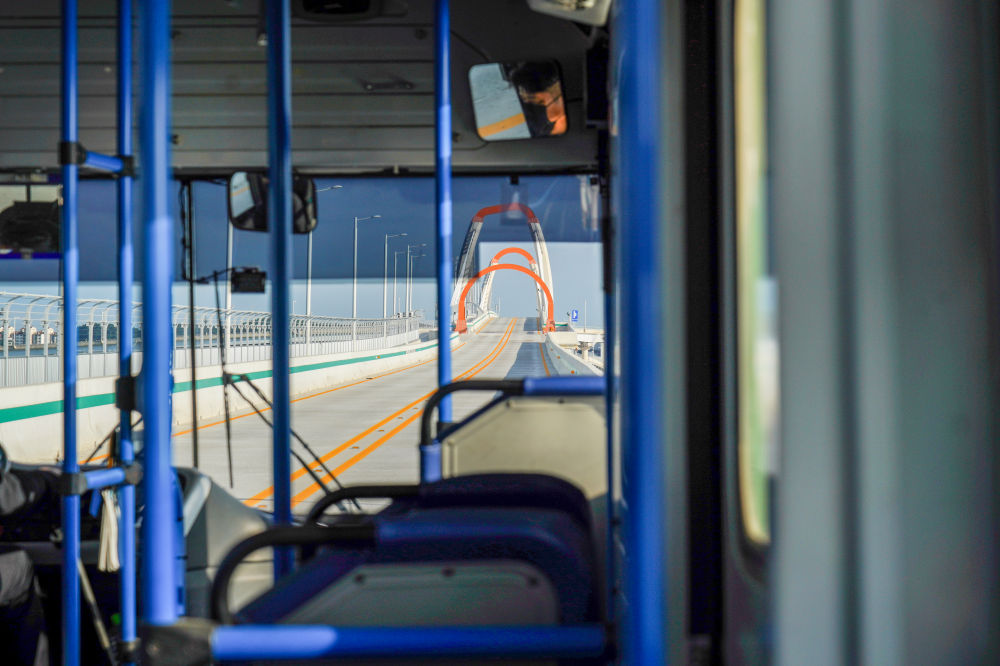
With the opening of Sindo Peace Bridge, Sinsimodo is now much easier to reach. Roads on the islands are relatively quiet on weekdays, but keep in mind that on weekends and public holidays, traffic congestion can begin even on the approach to the bridge.
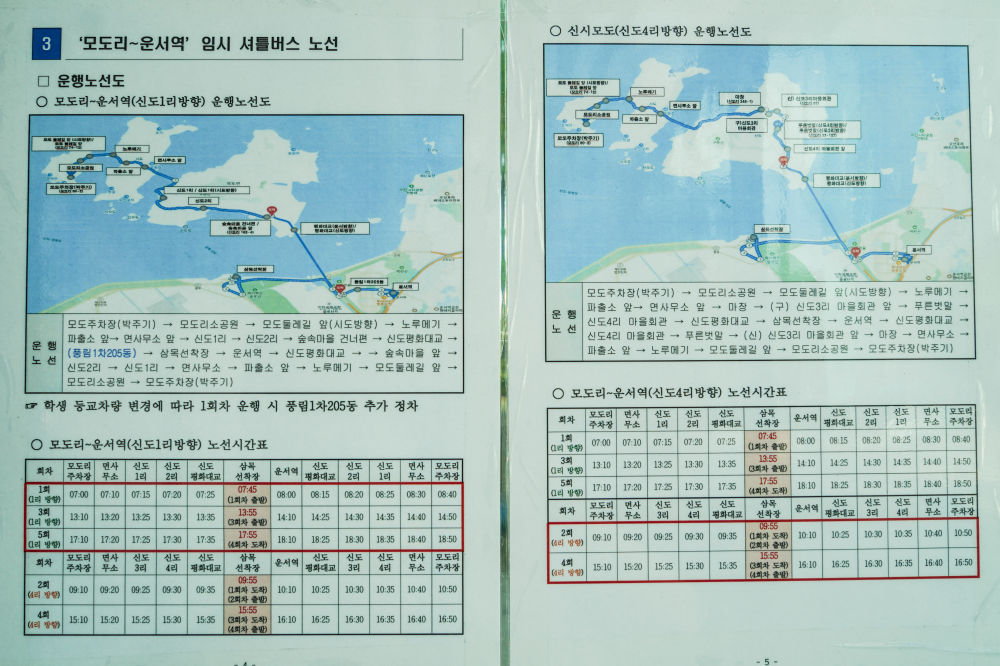
Public transportation is recommended when traveling from Yeongjongdo to Sinsimodo. A temporary shuttle bus (five times a day) is available from the bus stop at Exit 1 of Unseo Station on the Airport Railroad, allowing you to travel without worrying about traffic congestion.
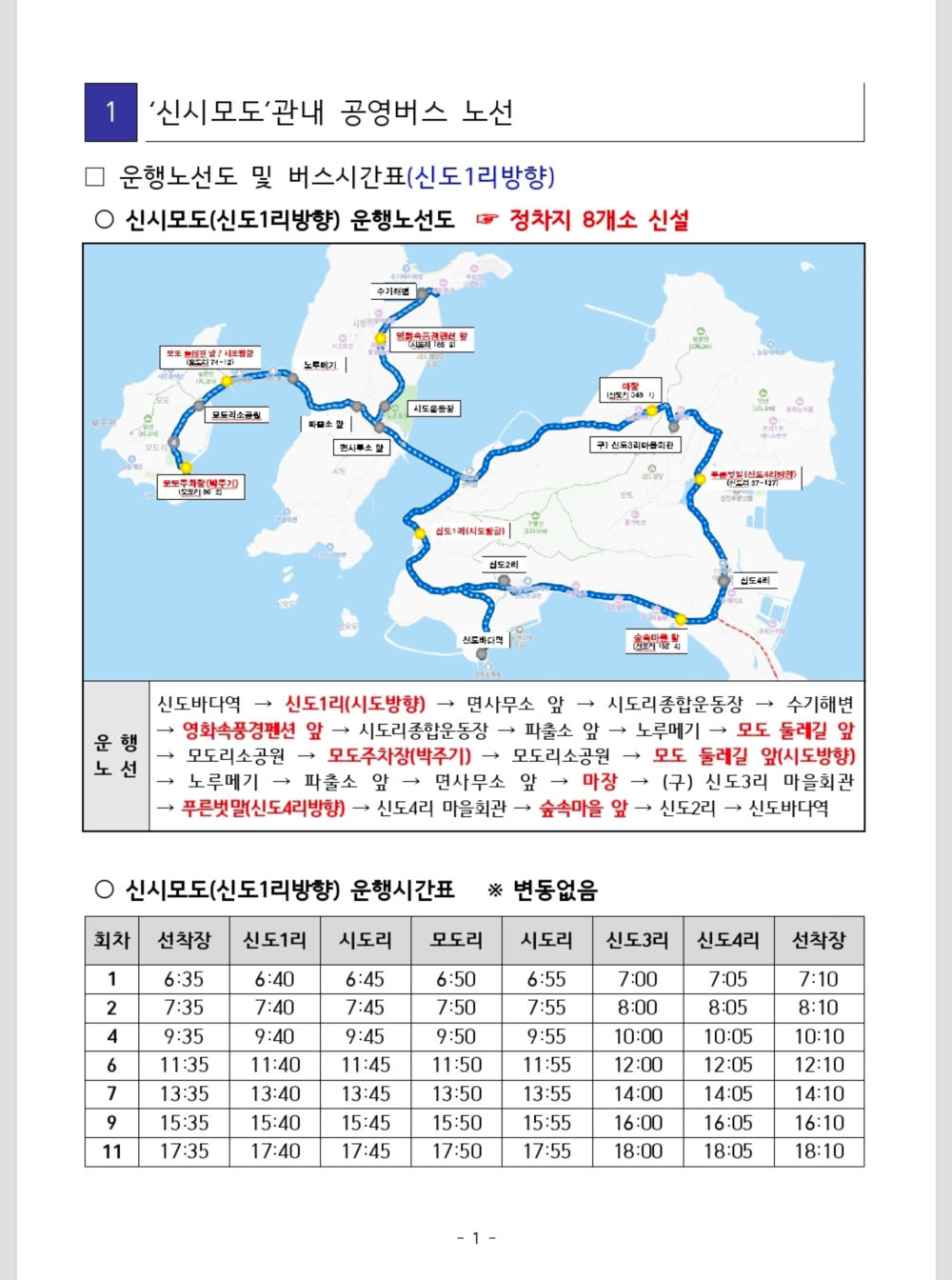
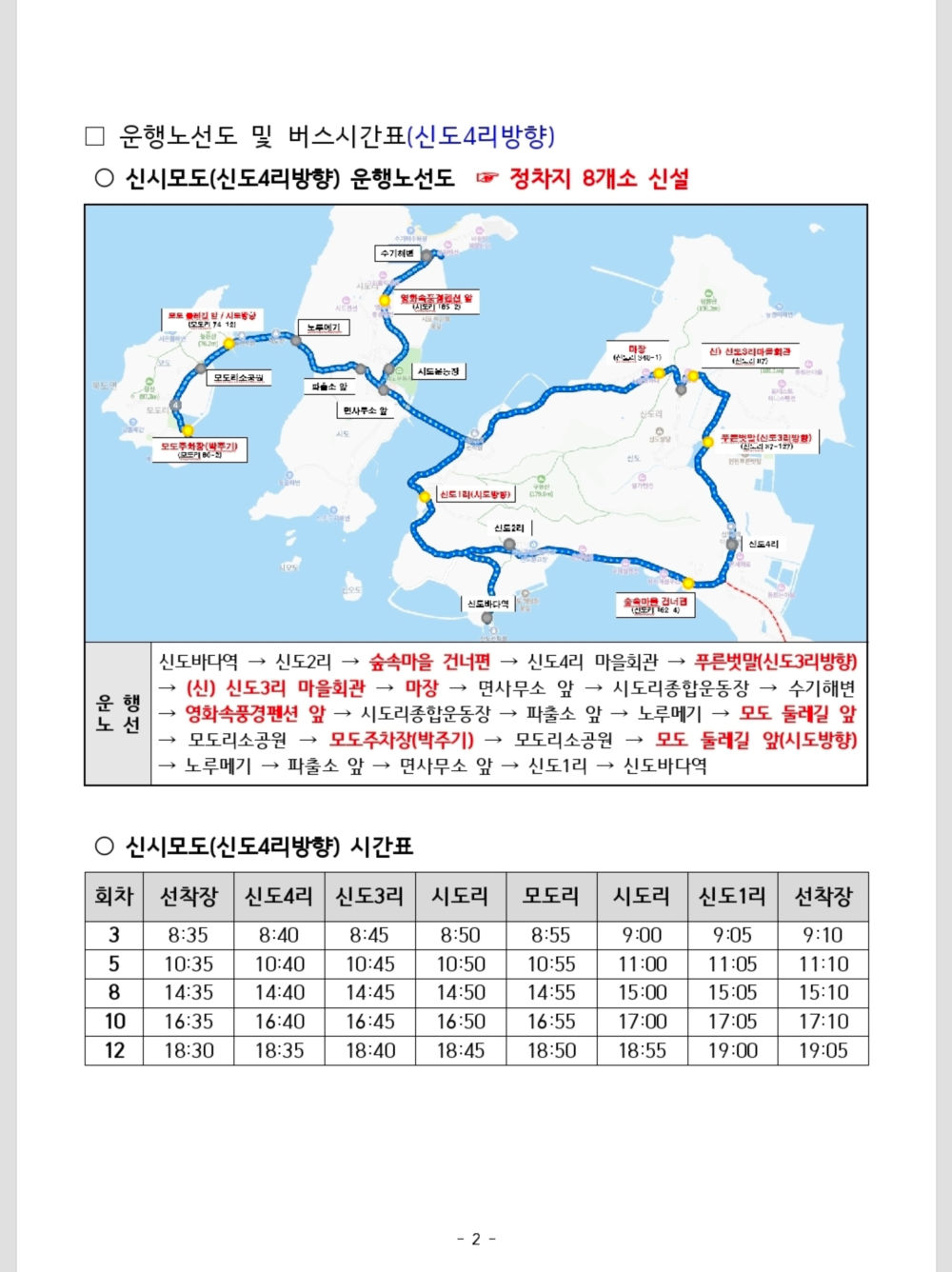
Within Sinsimodo, getting around by public bus or rented scooter is recommended. There are two rental shops near the entrance to Sindo Port offering electric scooters, three-wheel bikes, and bicycles, making it convenient to rent one as soon as you arrive on the island.
- Wheel Friends: https://naver.me/53lhskCU (Reservations available on Naver)
- Annyeong Bada: 032-746-7576 (Phone inquiries only)
Also, checking the tide times is essential if you want to fully enjoy Sinsimodo’s beautiful coastal scenery. Check the tides on the website below and make the most of your trip to Sinsimodo.
- Bada Time: https://www.badatime.com/

-
- 29 Jeonggak-ro (1138 Guwol-dong), Namdong-gu, Incheon 21554, Korea
- TEL : +82-32-120 / FAX : +82-440-3009
Copyright 2020(c) Incheon Metropolitan City.
All right reserved. -
General Tourism Inquiries
1330 / 032-832-3031 -
ITOUR SNS


