


 28
28Incheon Island Travel | Incheon Dulle-gil Trail Course 16: Explore Jangbongdo on Foot


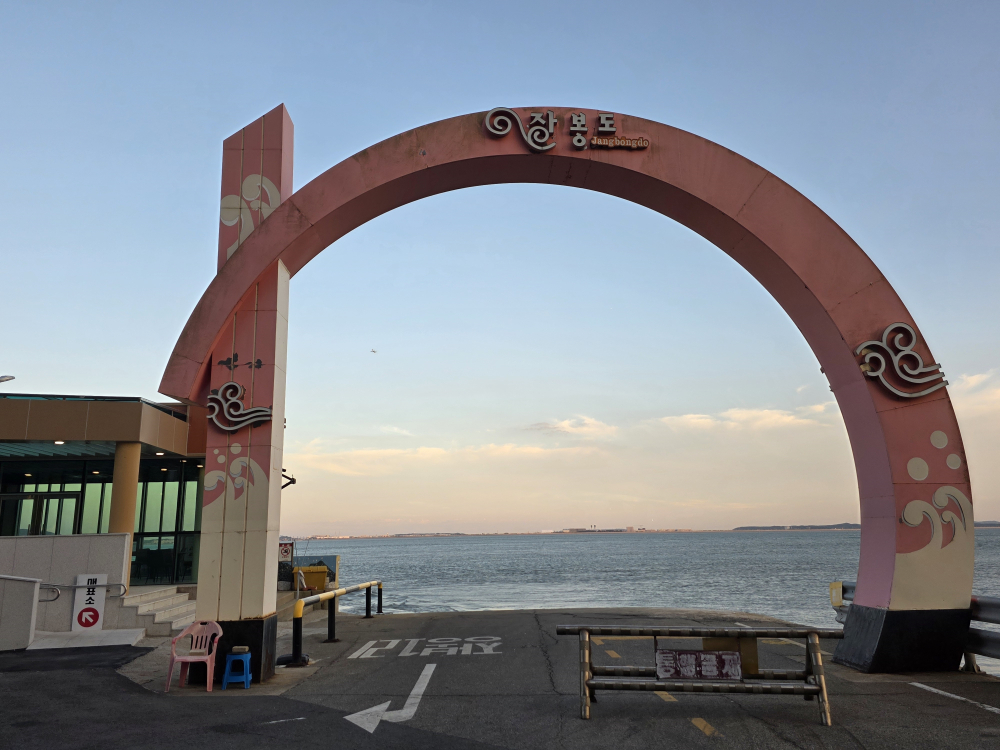
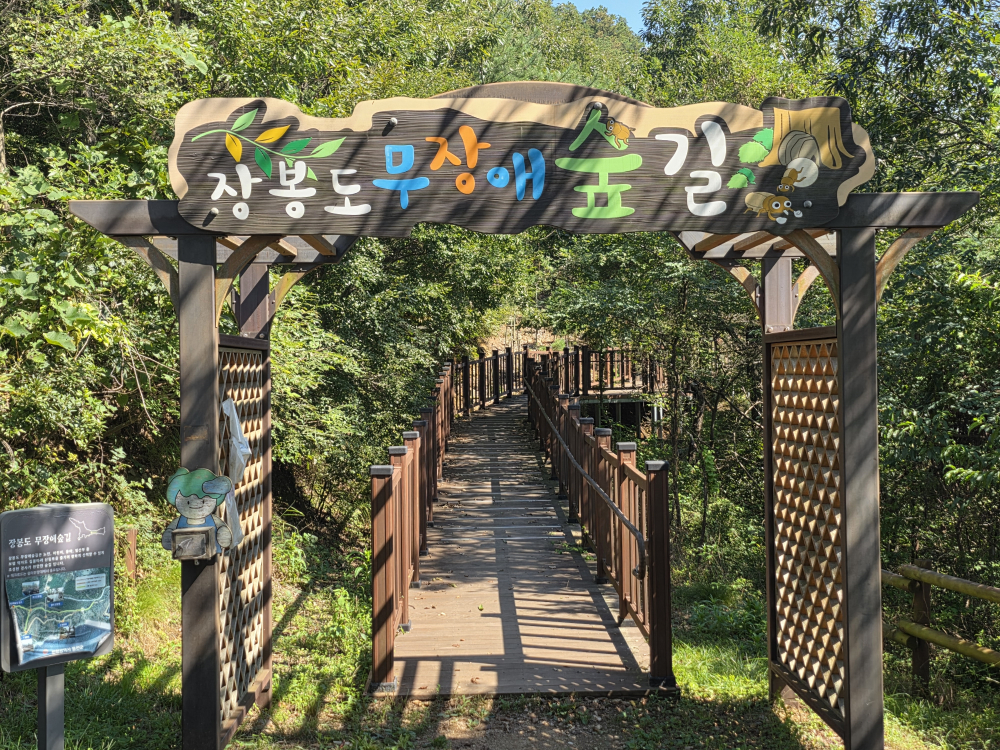
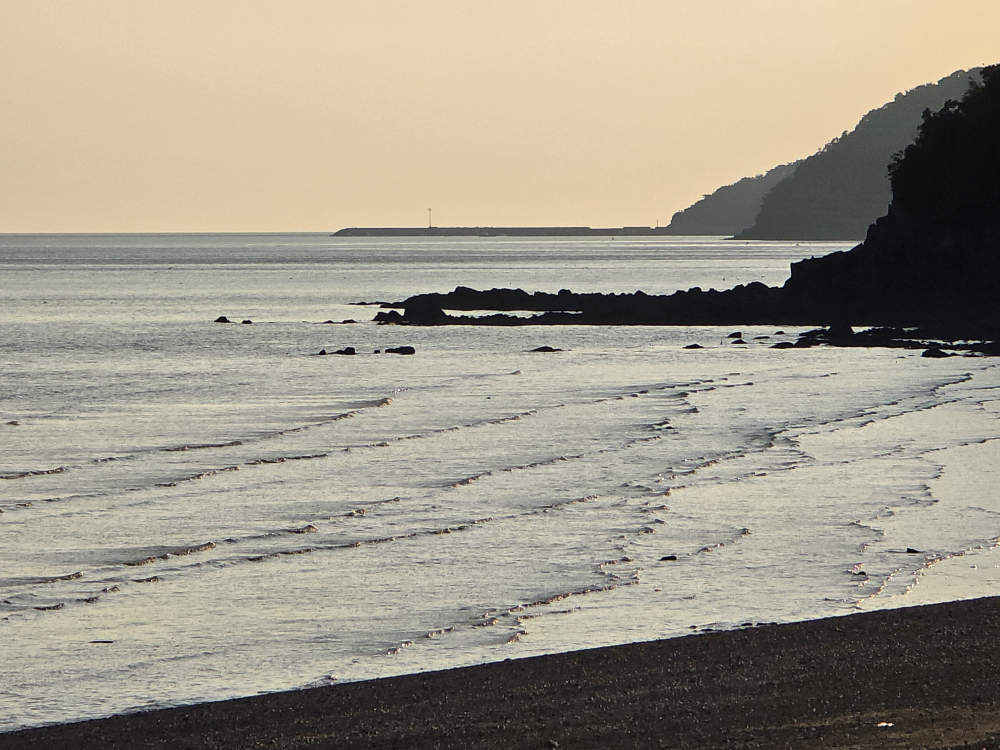
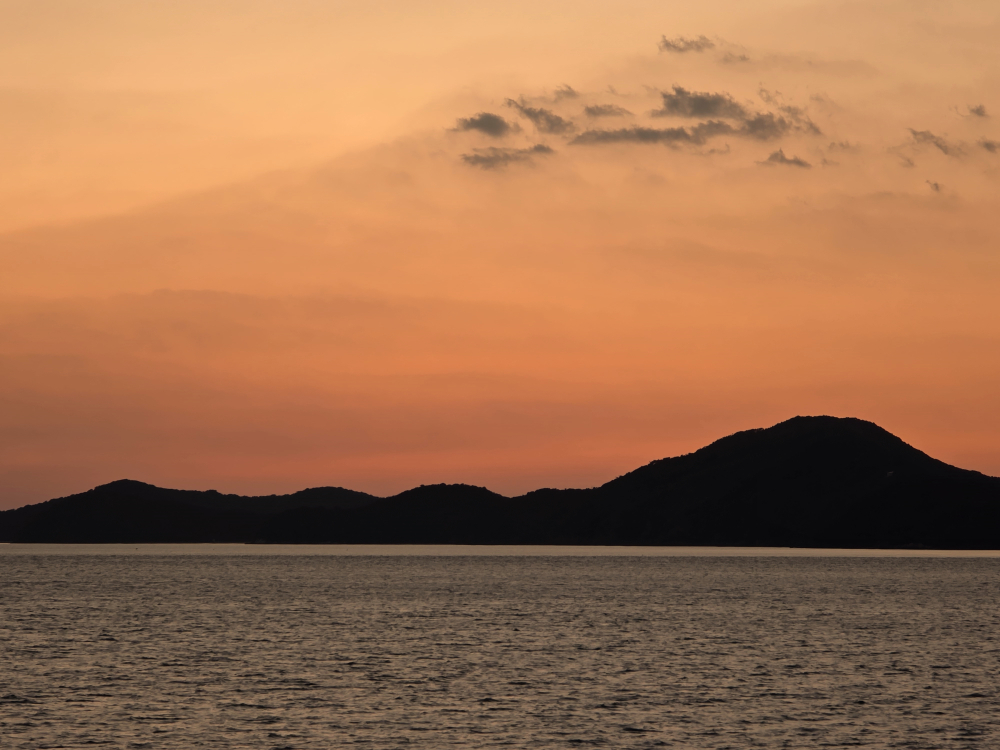
Jangbongdo Island, located in Bukdo-myeon, Ongjin-gun, Incheon, is a moderately sized island covering 7.15 km², with a coastline stretching 22.5 km. True to its name, “Jangbong,” meaning “long peaks,” the long, L-shaped island is dotted with gently rising peaks, while its shores offer views of the sea and expansive tidal flats. Exploring the island’s mountains and coastline on foot is one of the best ways to experience its natural beauty.
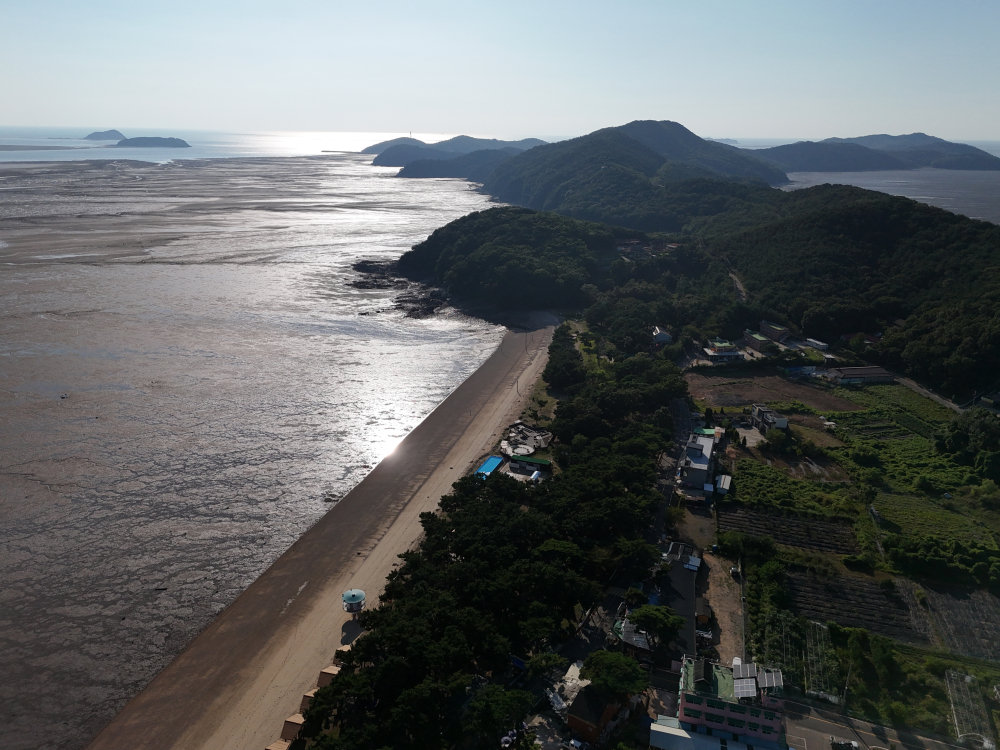
The Incheon Dulle-gil Trail consists of 16 courses in total. It winds through the mountains and villages of Incheon, passes through Ganghwado Island, and continues to Jangbongdo Island. Course 16 starts at Jangbong Ferry Terminal, takes you past six points of interest, and loops back to the starting point. The 8.4 km course takes approximately 2 hours and 50 minutes to complete.

Travel Writer Jin Woo-seok A travel writer who almost became a poet, Jin Woo-seok is known as an expert trekker. He has trekked in some of the world’s most renowned mountain regions, including the Himalayas, Karakoram, Alps, and Dolomites, as well as along Korea’s Baekdudaegan. He writes about his travels for newspapers and magazines. His books include Trekking Guide to Korea and The Overseas Trekking Bible.
SPOT1 Jangbong Ferry Terminal
Rich fishing grounds and the legend of the mermaid
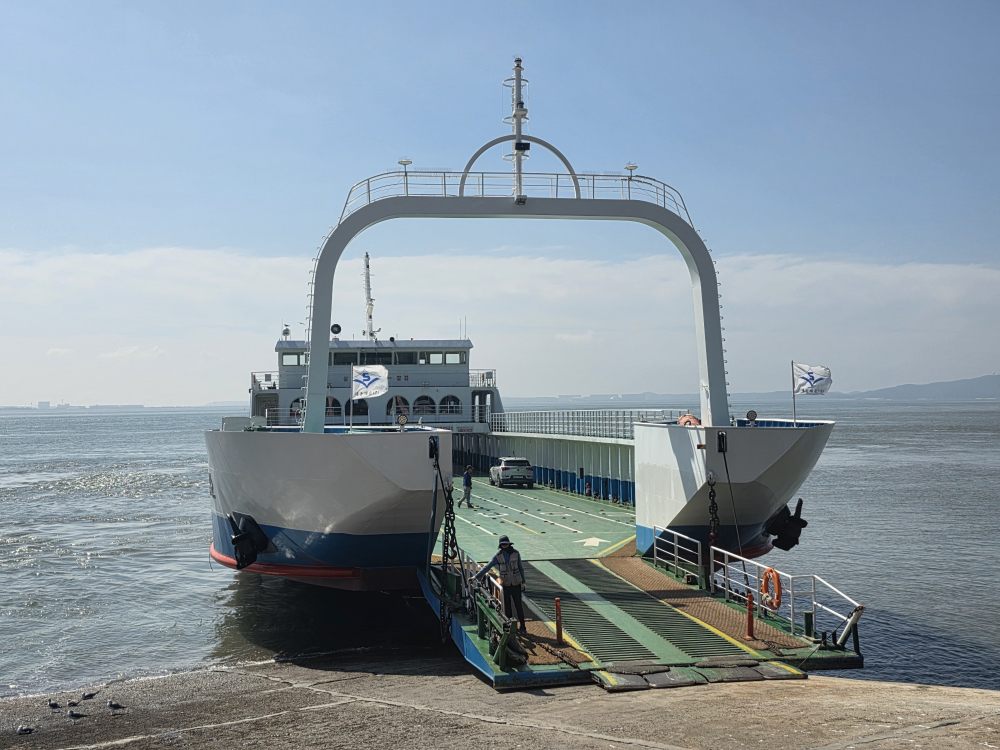
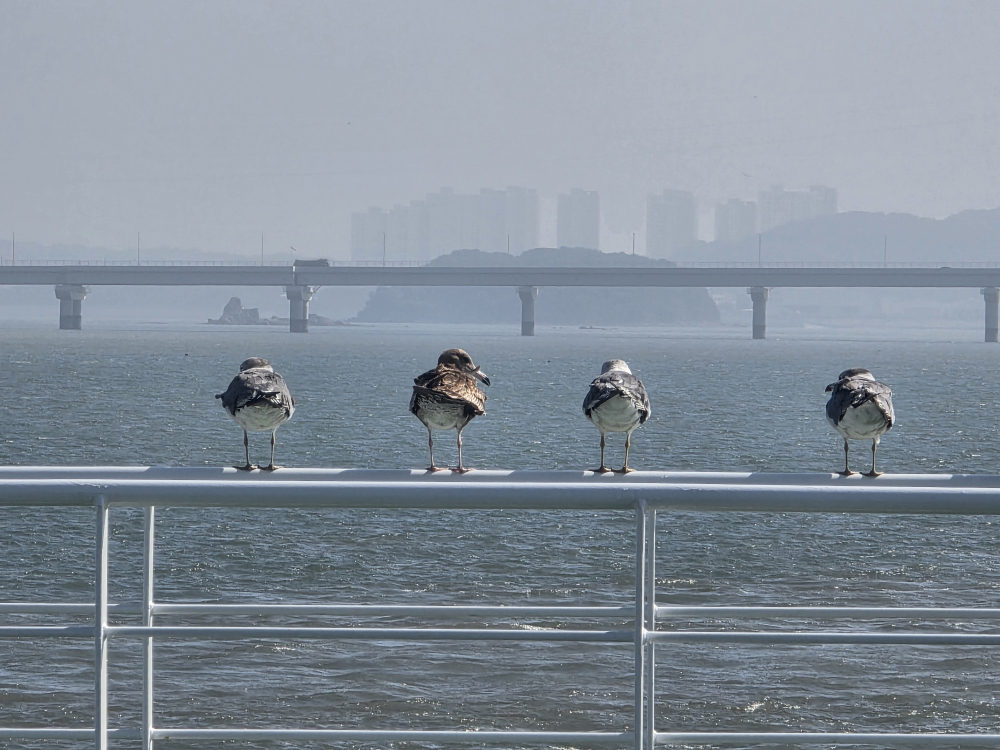
Ferries to Jangbongdo Island depart not from Incheon Port, but from Sammok Ferry Terminal on Yeongjongdo Island. A fairly large car ferry capable of carrying vehicles operates on the route. Spend some time on deck watching the seagulls and taking in views of the surrounding islands, and before you know it, you’ll have arrived at Jangbongdo Island.
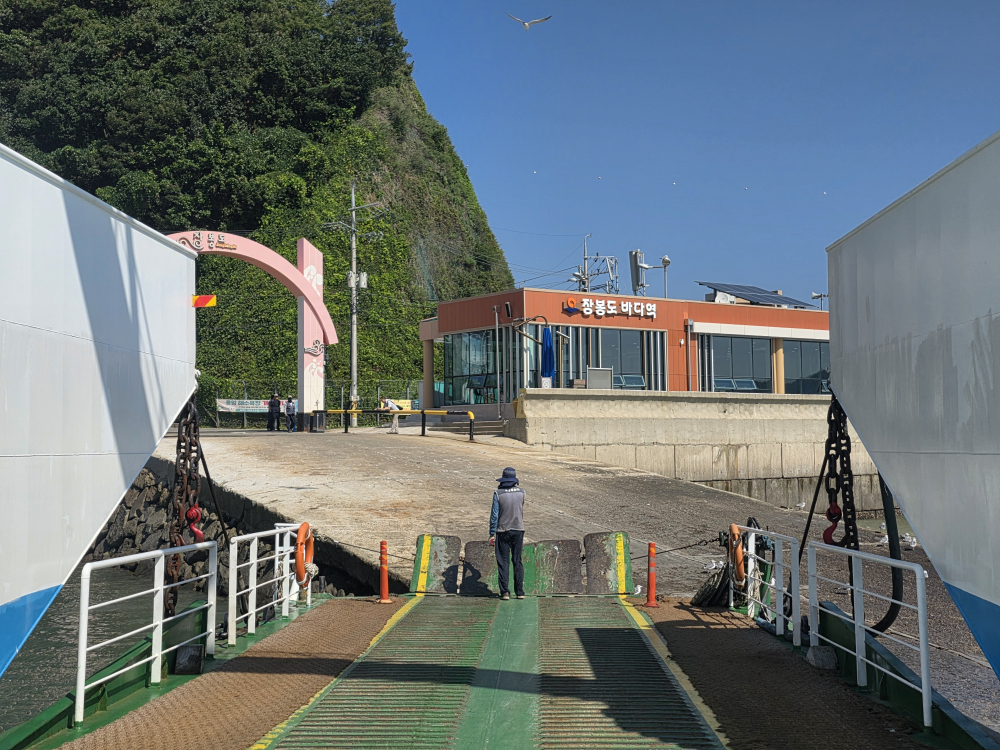
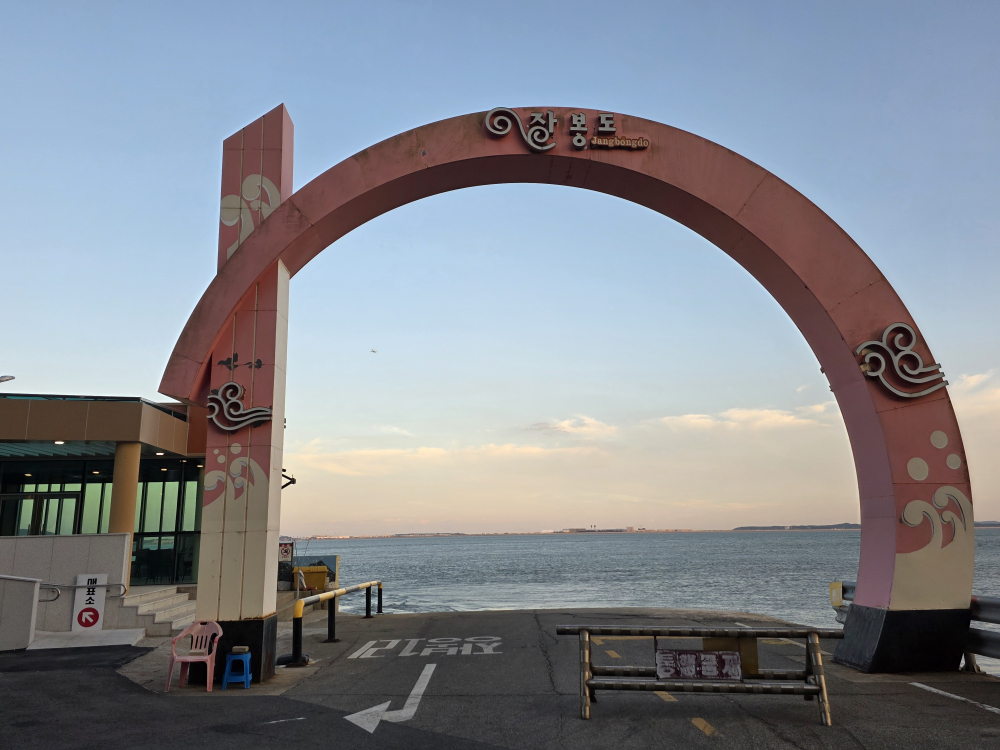
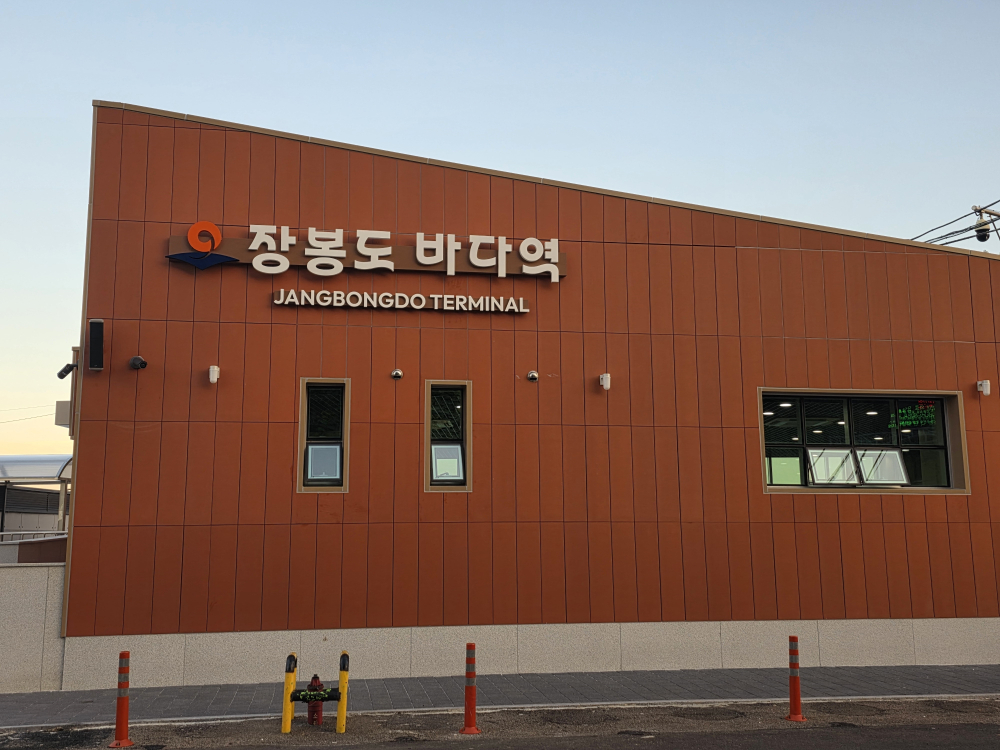
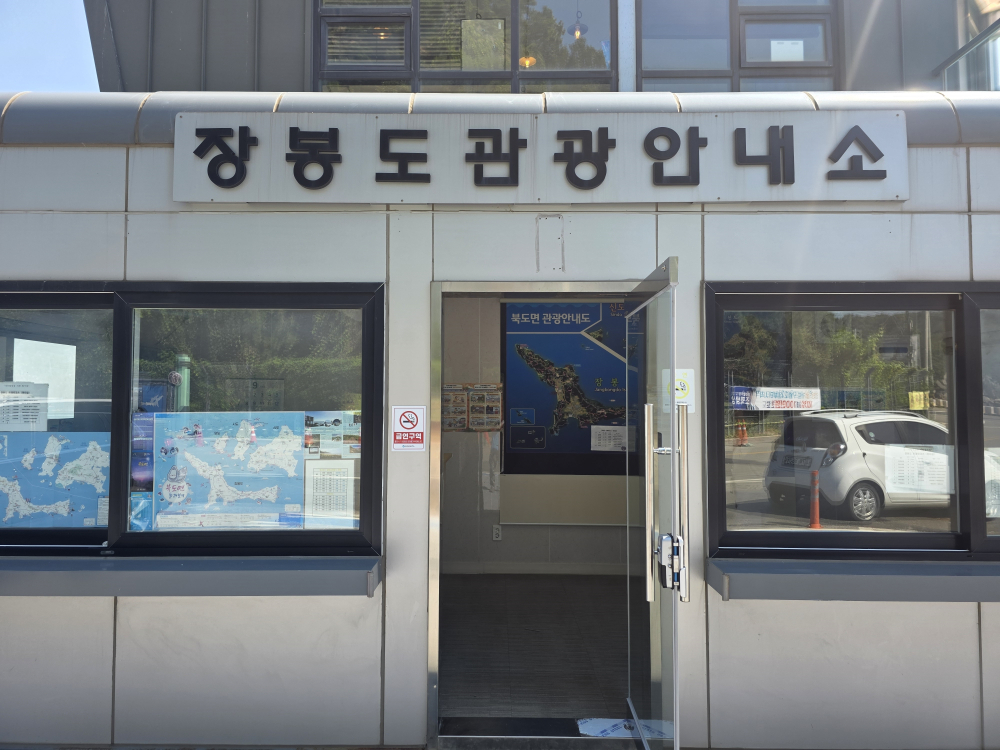
It took just 30 minutes to reach Jangbongdo Island. First, I checked the departure time for the return ferry and then stopped by the tourist information center.
“You’re here for trekking? You’ve come to the right place. Jangbongdo is perfect for walking. You know that Course 16 of the Incheon Dulle-gil Trail runs through the island, right? Try adding Jageunmeolgot Islet and the Jangbongdo Barrier-Free Trail to your route. You won’t be disappointed.”
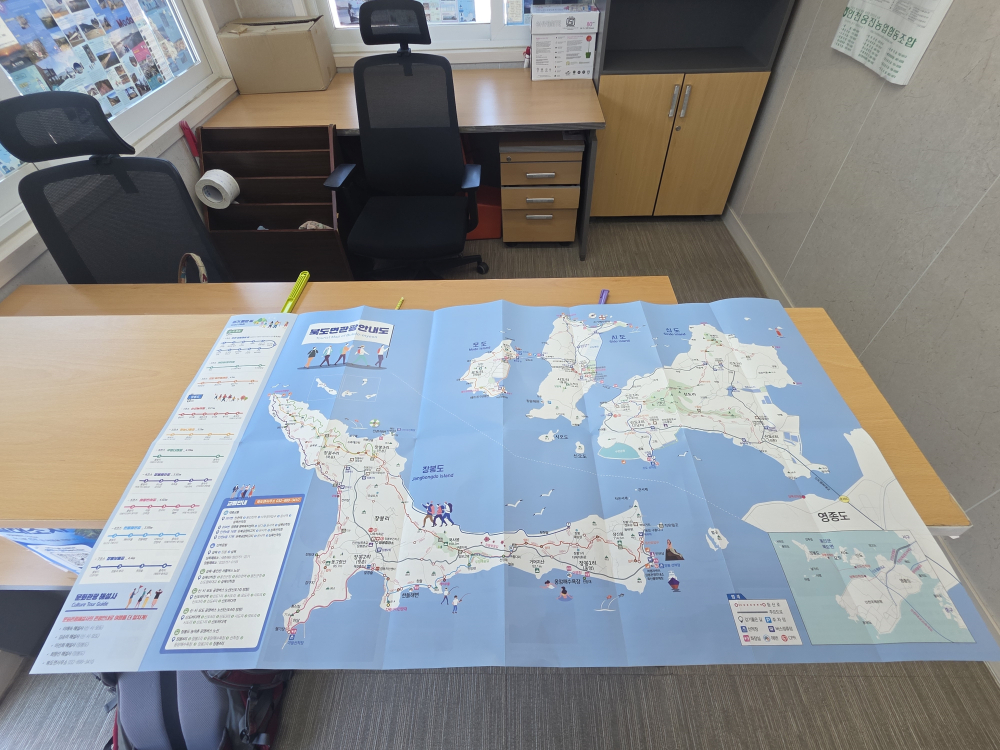
As soon as she finished speaking, guide Lee Sun-hee handed me a tourist map. Her clear, straightforward explanation, together with a detailed map covering every corner of the island, gave me everything I needed to set off.
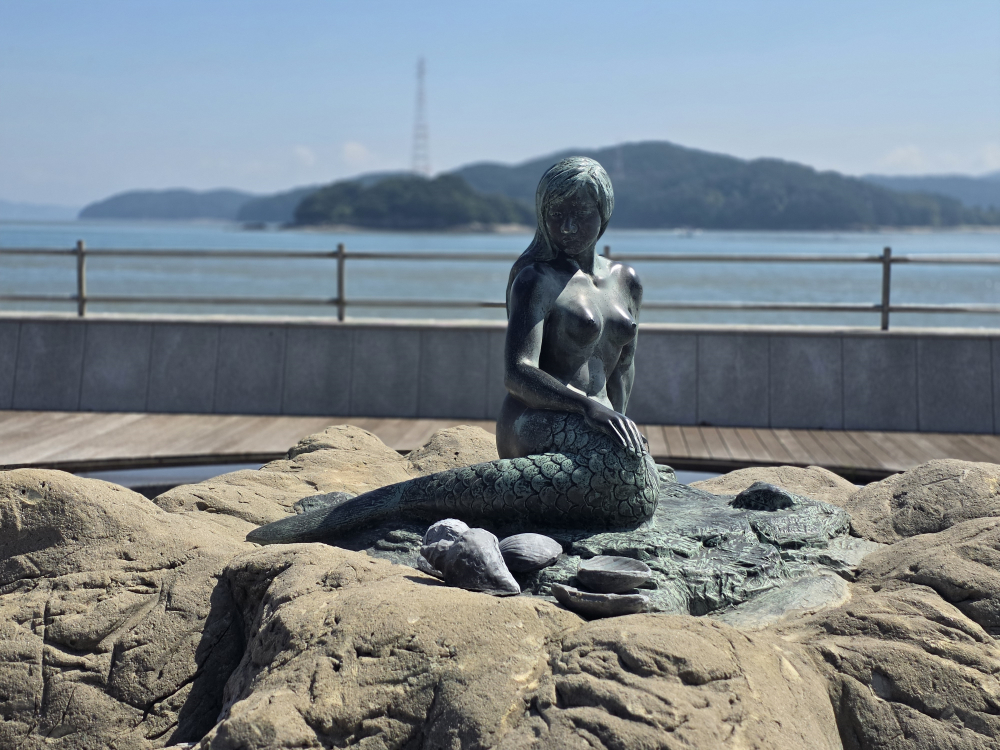
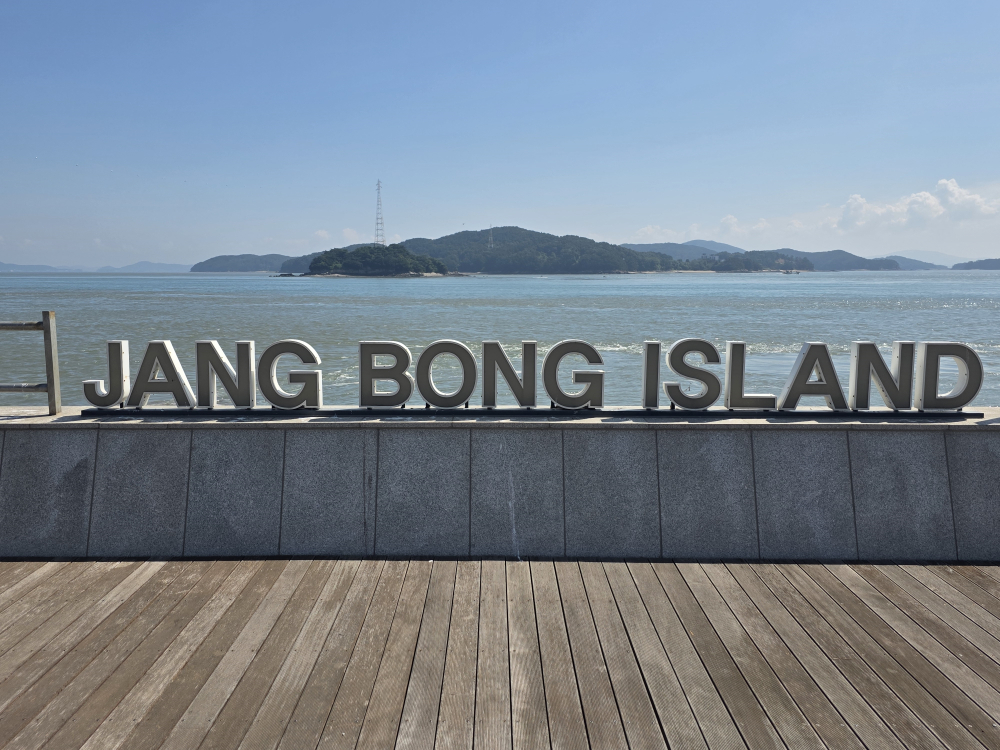
Next to the tourist information center stands a mermaid statue. Jangbongdo Island has long been renowned for its rich fishing grounds. Long ago, a fisherman caught a large creature in his net. Looking more closely, he realized it was half fish and half human. Taking pity on the mermaid, he released it back into the sea. Legend has it that from that day on, his nets were always filled with fish—a reward from the grateful mermaid.
- Address20-22, Jangbong-ri, Bukdo-myeon, Ongjin-gun, Incheon
- Inquiries032-751-0193 (Jangbong Ticket Office)
- Websitewww.ongjin.go.kr/tour (Ongjin-gun Culture & Tourism)
SPOT2 Jageunmeolgot Islet
An islet close yet far, cut off by the sea
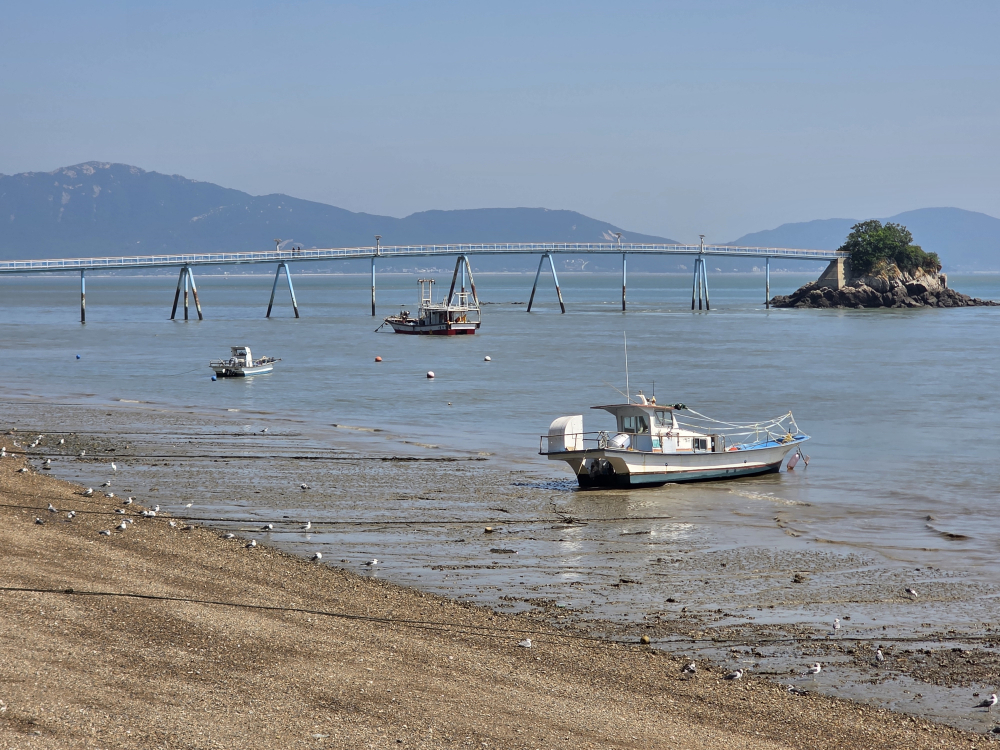
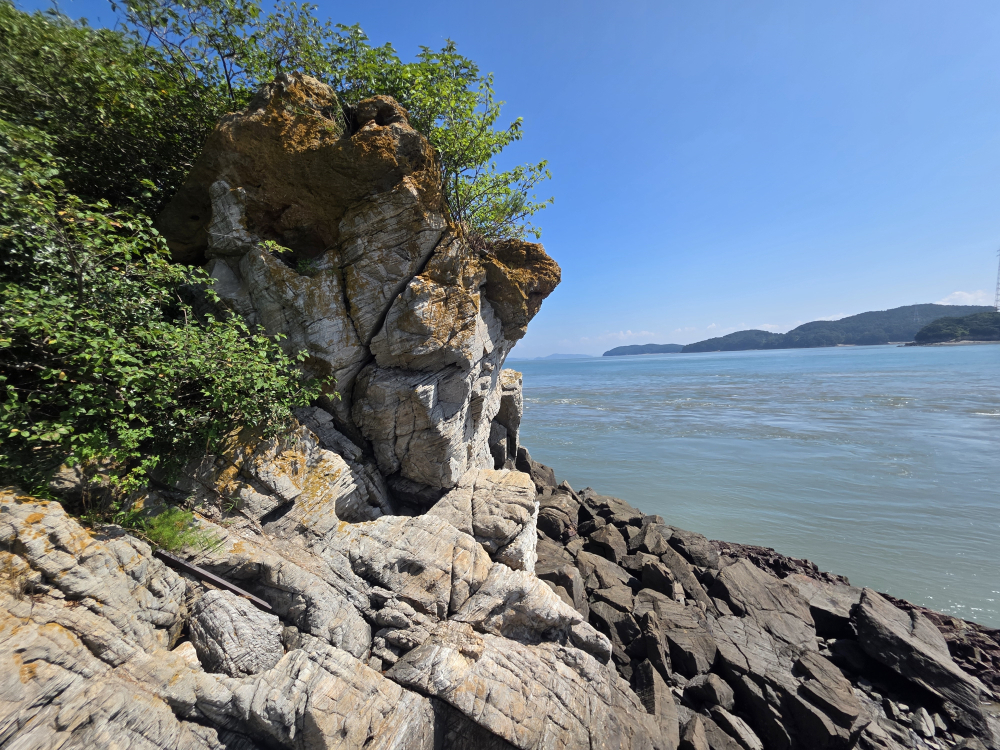
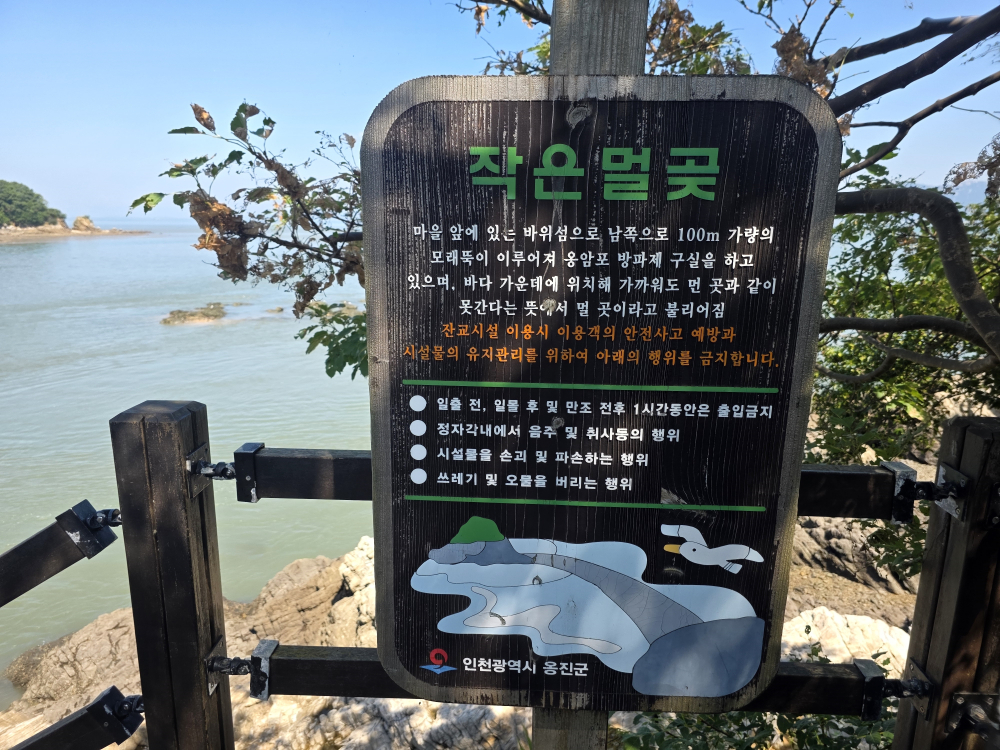
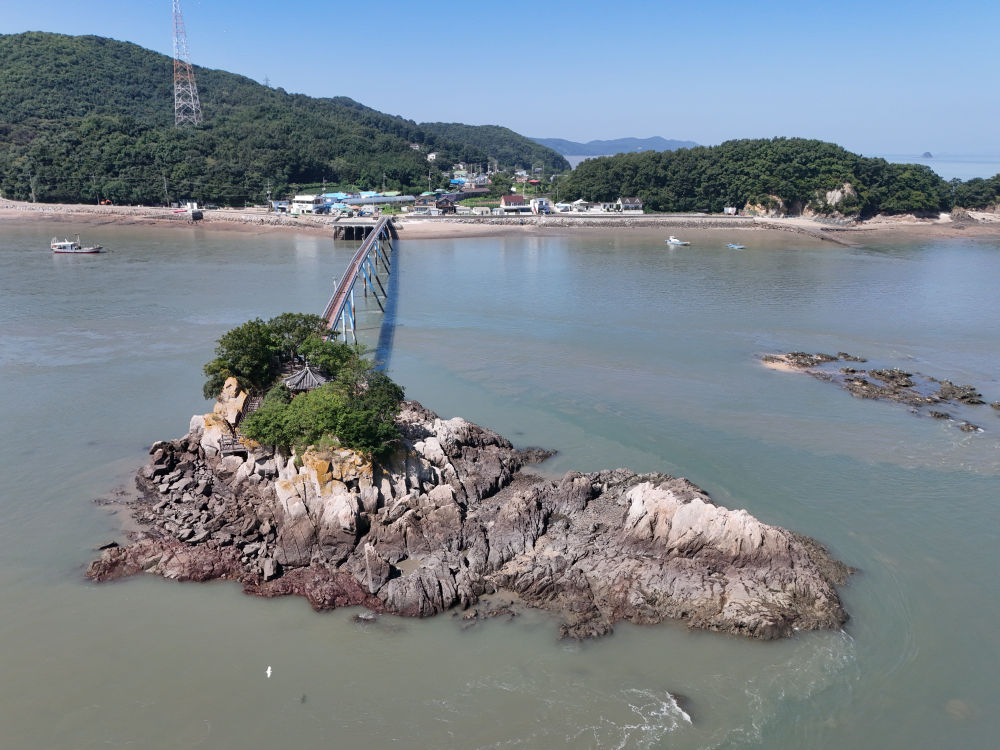
Before setting out in earnest on Course 16 of the Incheon Dulle-gil Trail, I followed the coastline to Jageunmeolgot Islet. Locals also call it Dokbawi Rock. It is a 15-minute walk from the mermaid statue. The name “Meolgot” has an interesting meaning. Since the islet is submerged at high tide, the name is said to mean “a place that is close yet far away.” It is an uninhabited islet covered with rocks of various sizes.
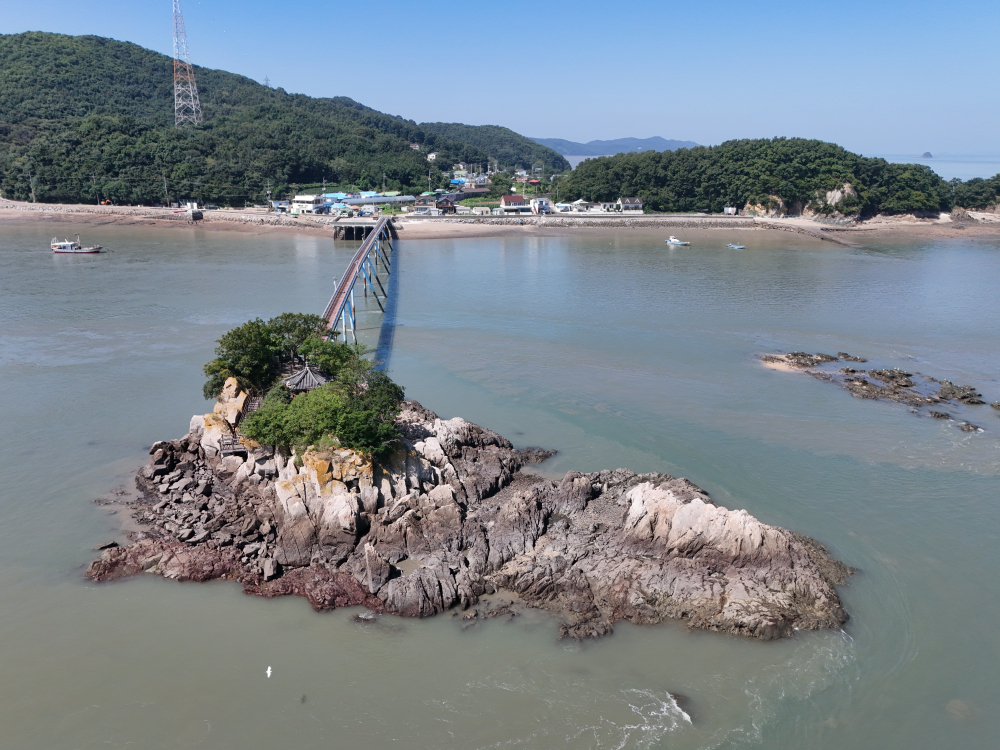
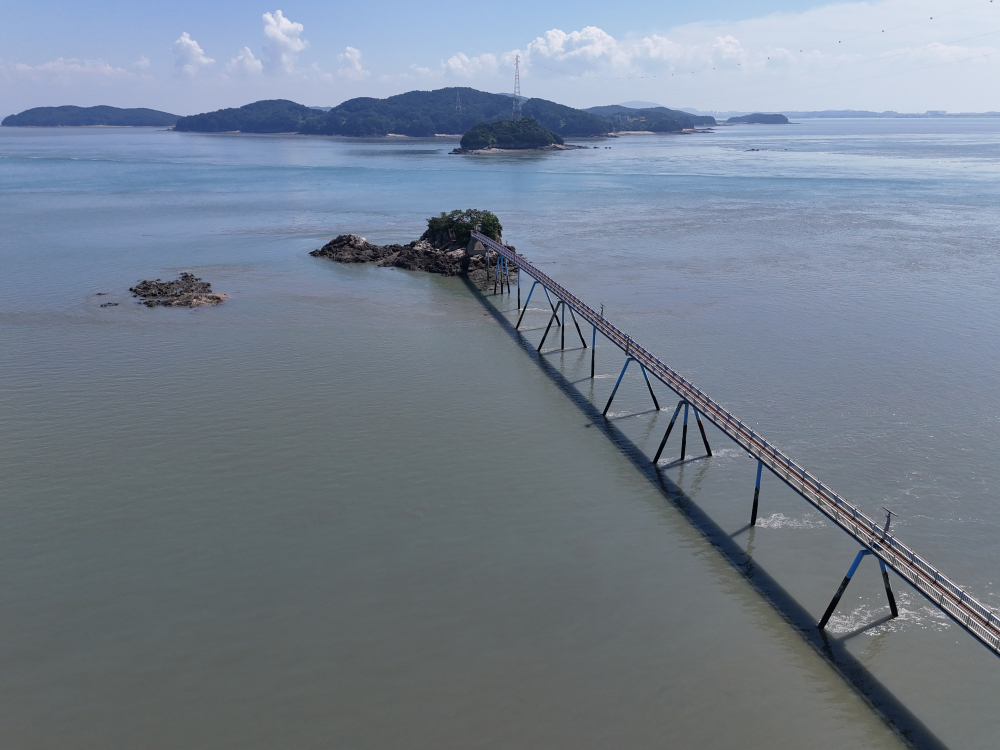
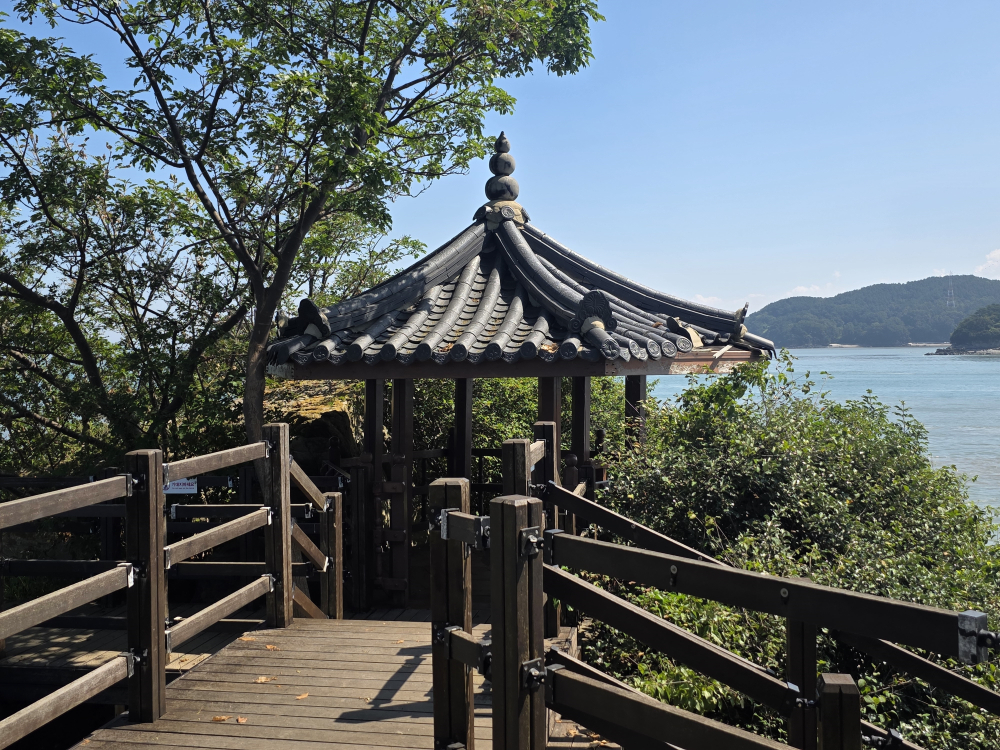
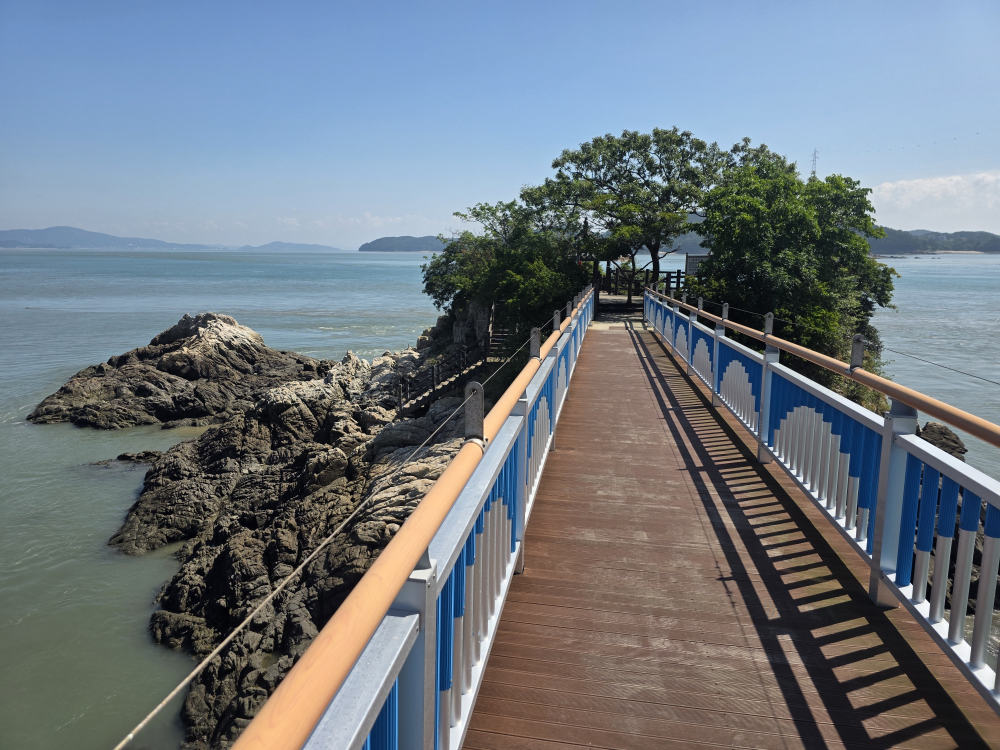
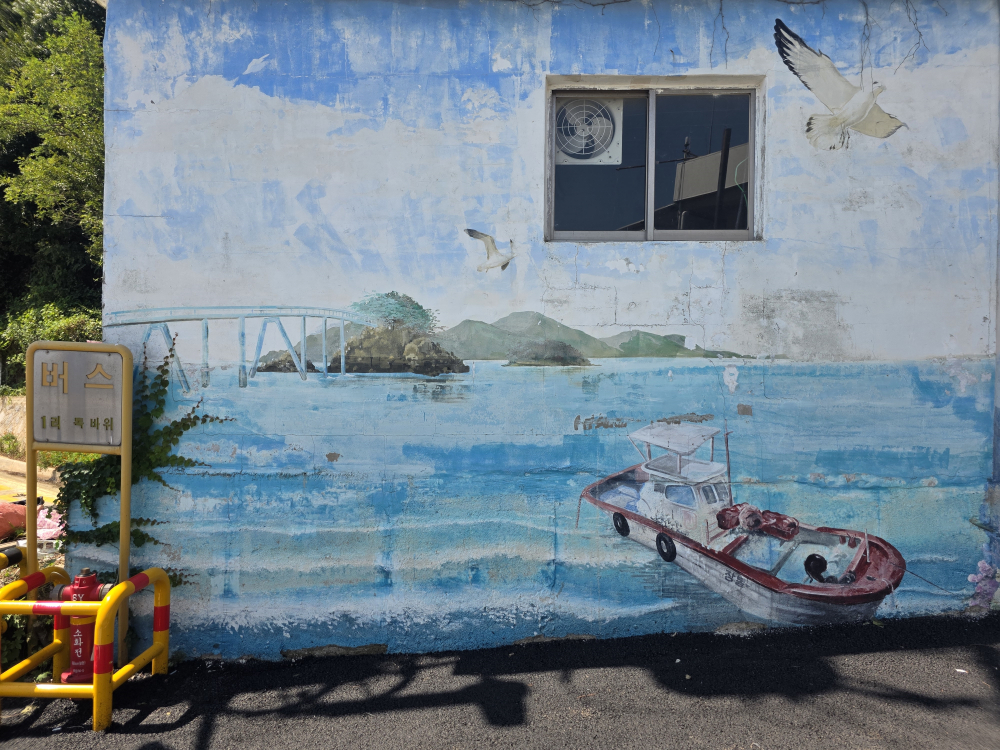
A cloud bridge connects the coast to the islet. Cross the gracefully curved bridge, and you arrive at Jageunmeolgot Islet. There is a pavilion, and wooden stairs lead down toward the sea. As the tide was going out, the current rushed past below. In an alley near Jageunmeolgot Islet, there is also a mural depicting Jangbongdo Island’s major attractions.
- AddressJangbong-ri, Bukdo-myeon, Ongjin-gun, Incheon
- Inquiries032-899-3570 (Jangbong Branch Office, Bukdo-myeon Office)
- Websitewww.ongjin.go.kr/tour (Ongjin-gun Culture & Tourism)
SPOT3 Sangsanbong Peak
Take in a panoramic view of Jangbongdo Island and its sideways “L” shape
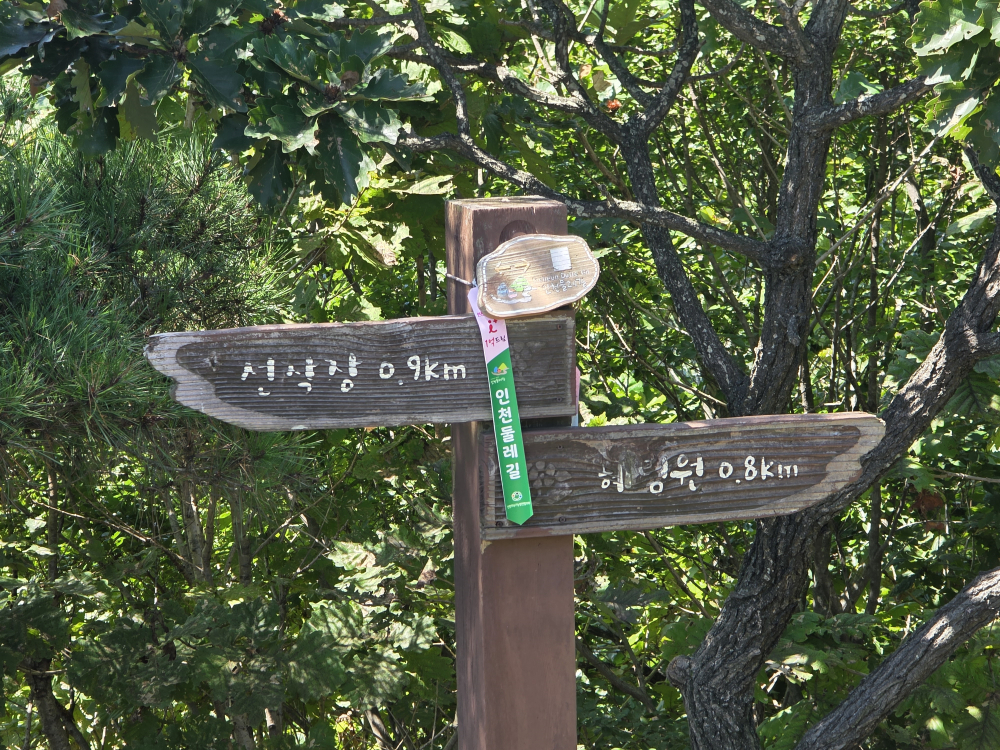
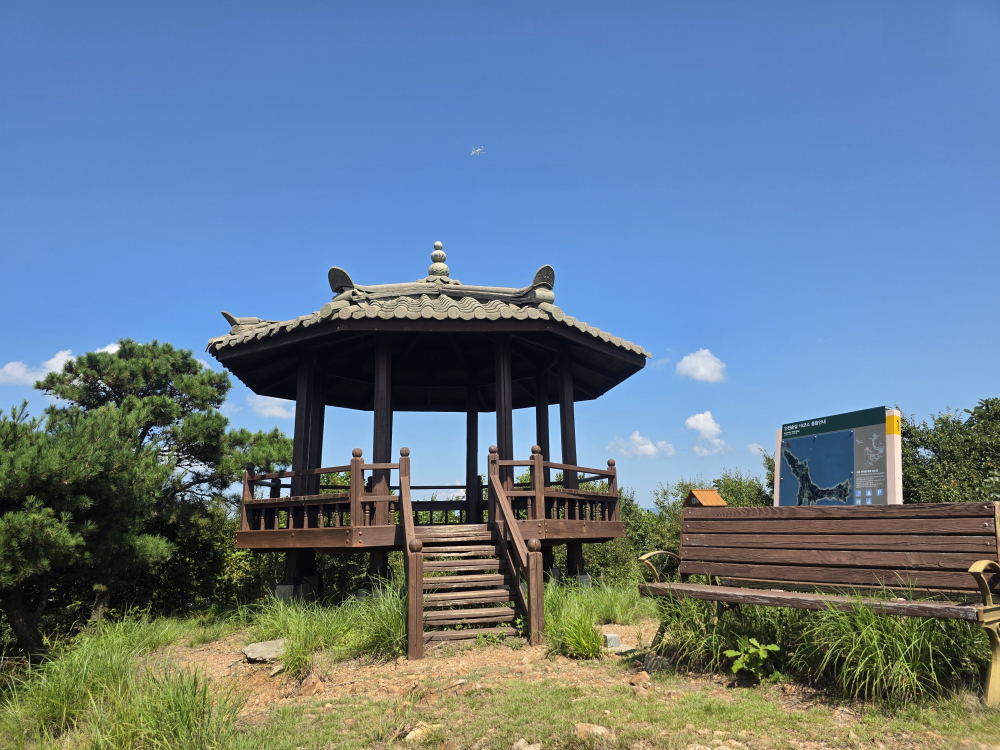
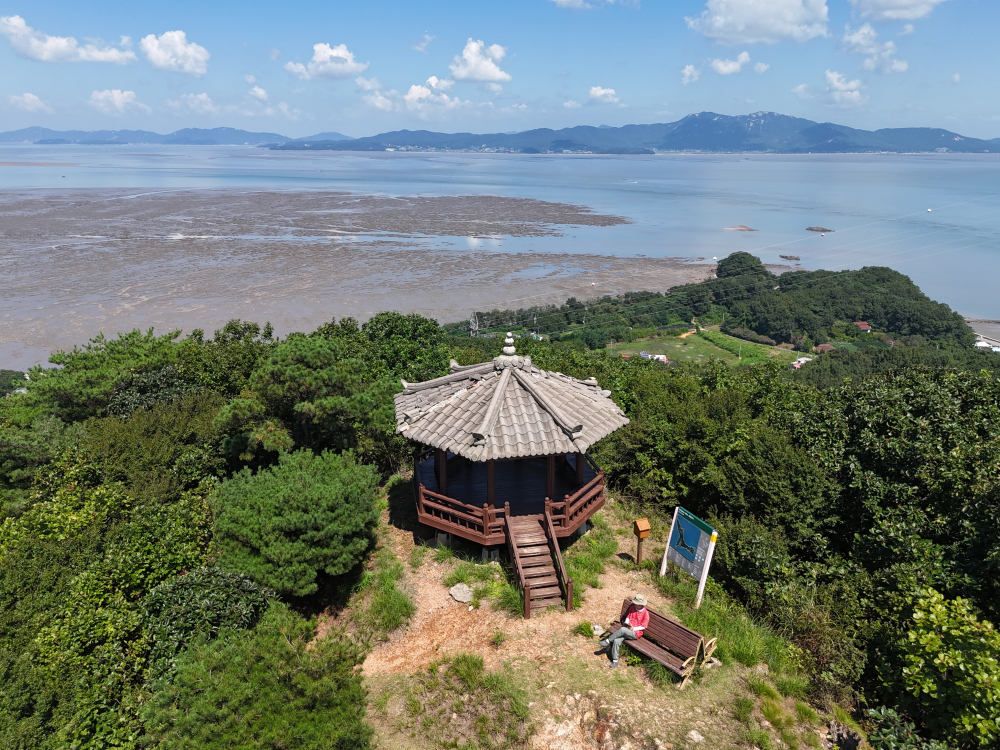
The trail continues uphill toward Sangsanbong Peak. Just a few steps from the coast, you find yourself on a peaceful forest trail. The mountain has gentle slopes, making for an easy trek. The shaded forest keeps the air cool and refreshing. Following the curves of the trail and settling into a steady rhythm, I climbed for about 20 minutes before reaching a pavilion.
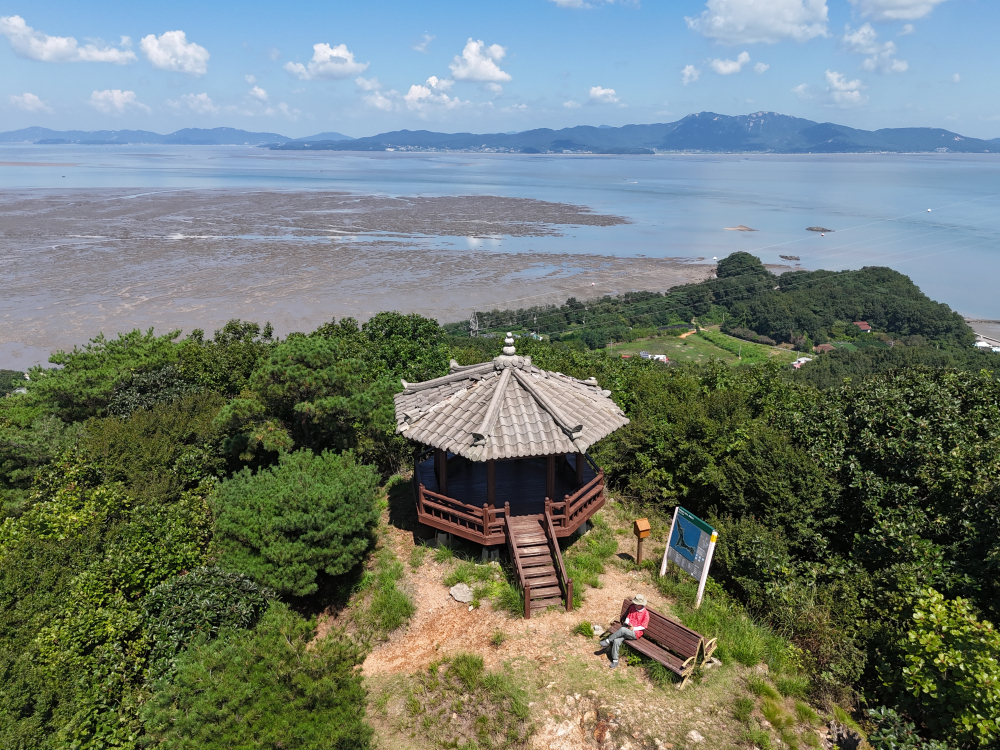
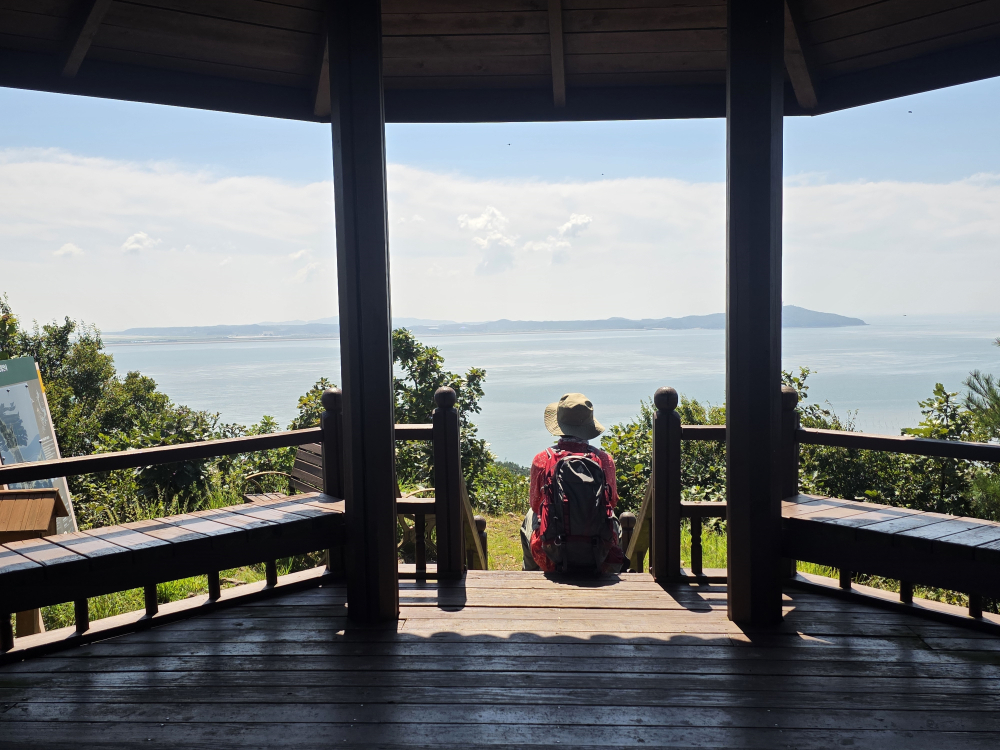
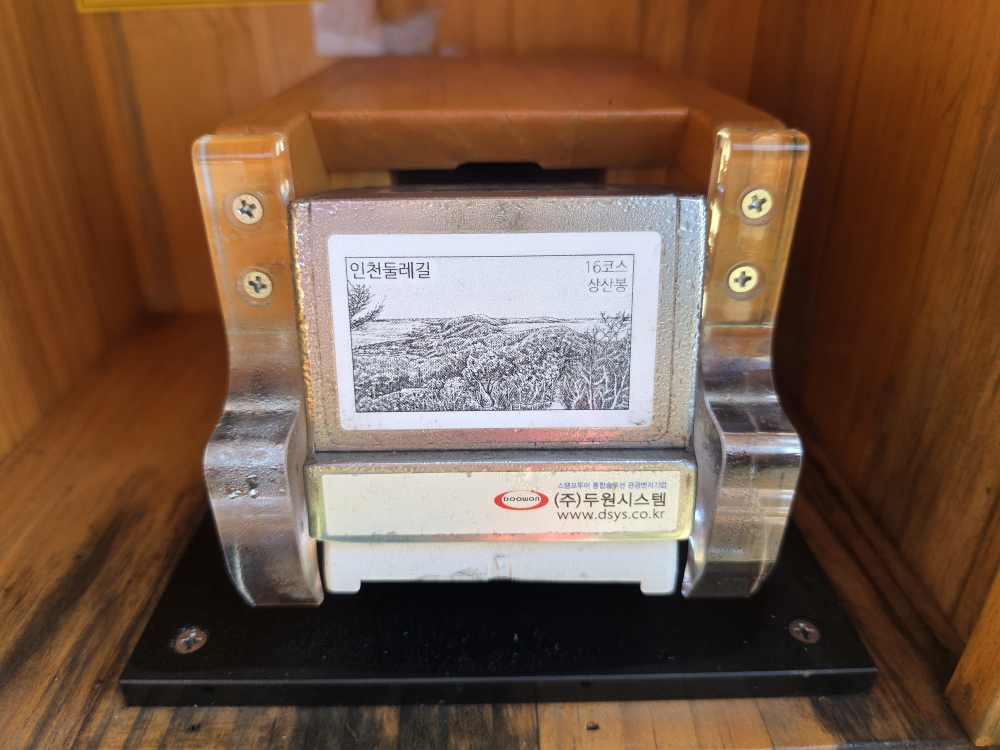
This is the summit of Sangsanbong Peak, which rises about 114 m above sea level. Although it is lower than Guksabong Peak (150 m), the highest point on Jangbongdo Island, Sangsanbong appears to be the island’s tallest peak when approaching by ferry. Sitting in the pavilion, I let the cool sea breeze dry the sweat from my brow.
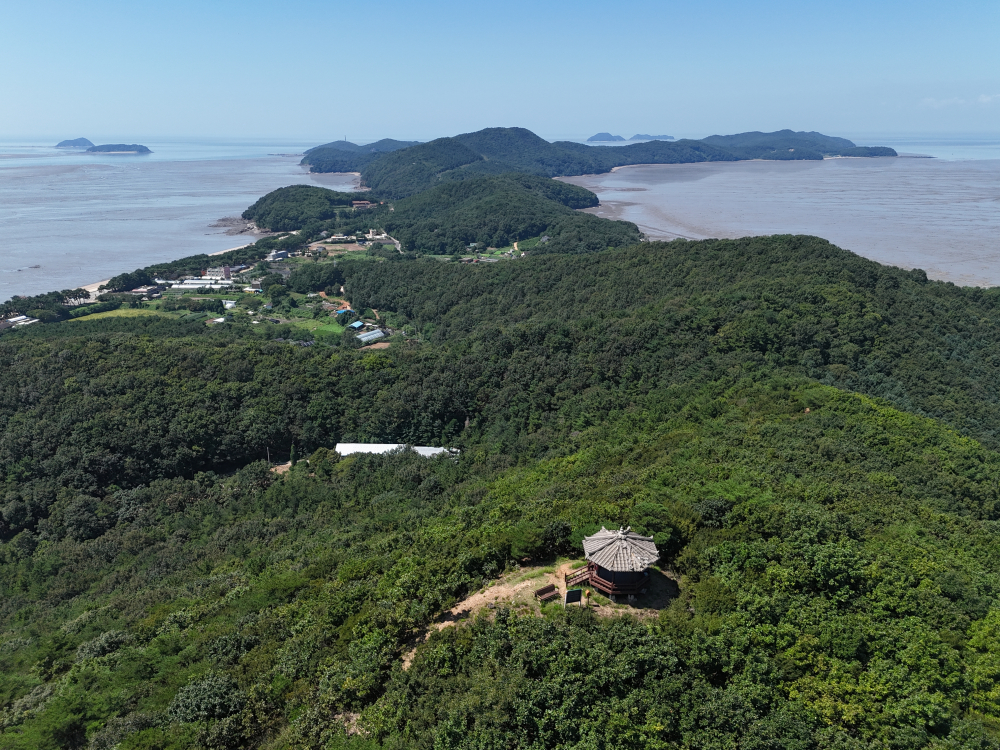
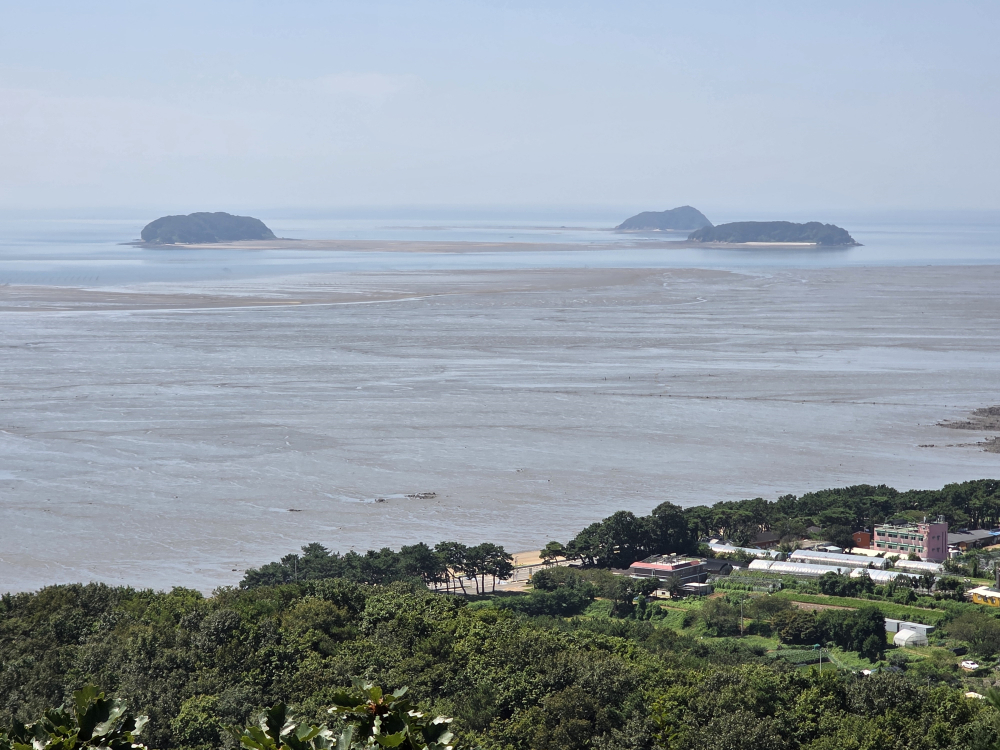
Sangsanbong Peak offers panoramic views in every direction. To the east lies Modo Island across the sea; to the north is Ganghwado Island, dominated by the towering Manisan Mountain; and to the south is Yeongjongdo Island, where the ferry departed. To the west, the long, narrow shape of Jangbongdo comes into full view. Only then could I truly appreciate the island’s distinctive shape. With the tide far out, expansive tidal flats were exposed around the island. Even at a glance, the mudflats looked rich and fertile. Just thinking about the hard clams, octopuses, and Manila clams harvested there made my stomach growl.
- AddressJangbong-ri, Bukdo-myeon, Ongjin-gun, Incheon
- Inquiries032-899-3570 (Jangbong Branch Office, Bukdo-myeon Office)
- Websitewww.ongjin.go.kr/tour (Ongjin-gun Culture & Tourism)
SPOT4 Cloud Bridge
A charming little bridge amid a tunnel of cherry blossoms
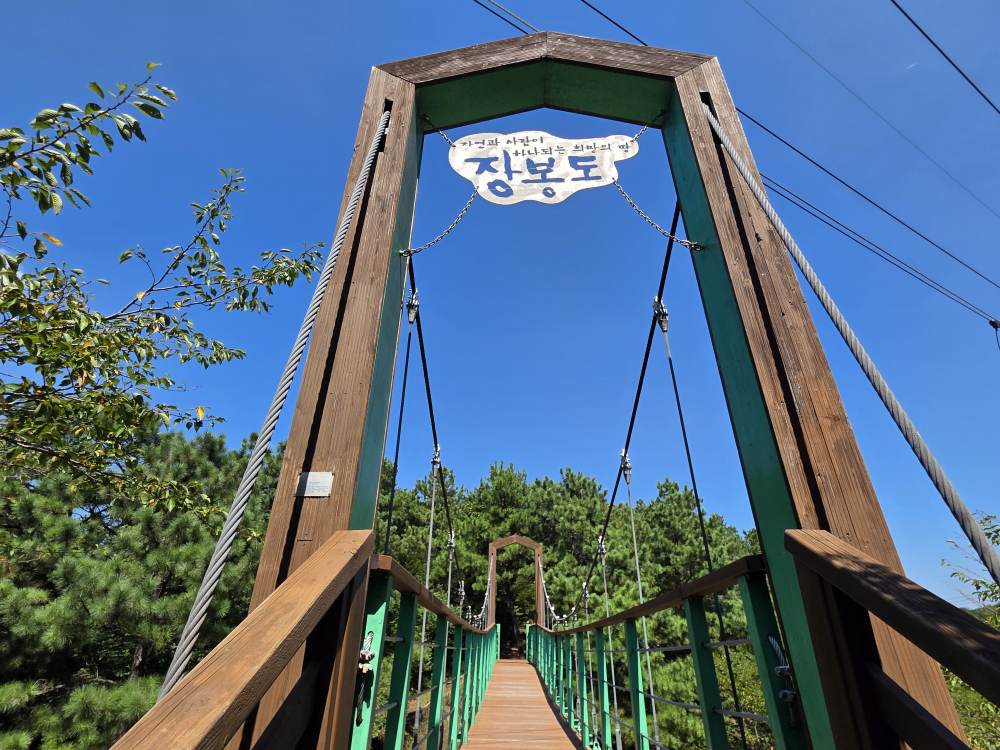
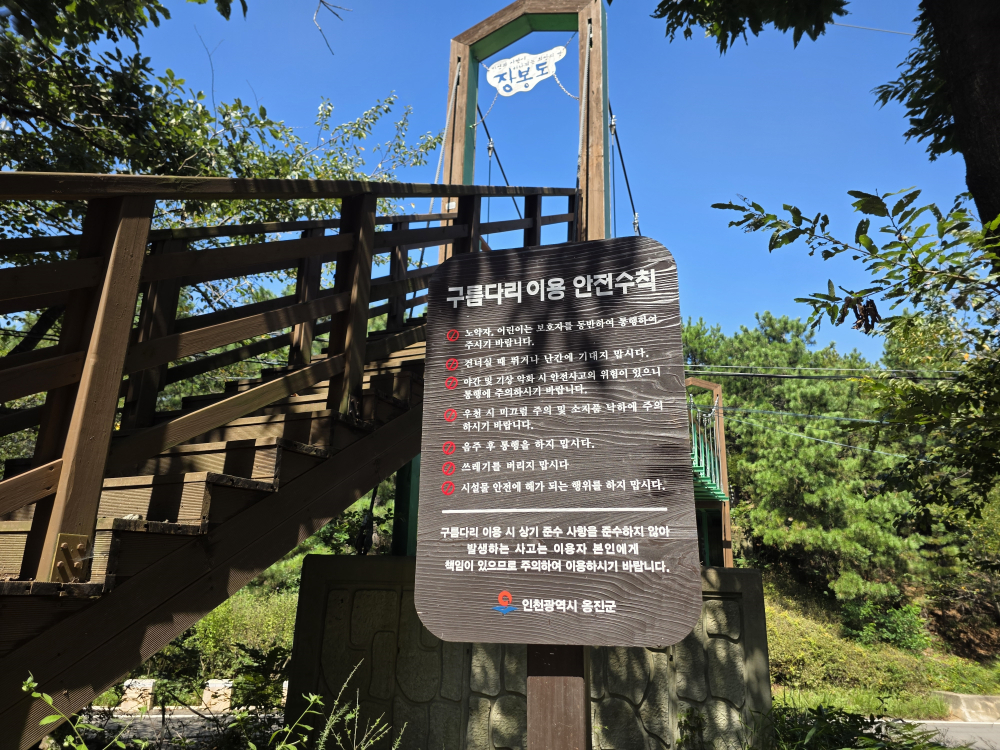
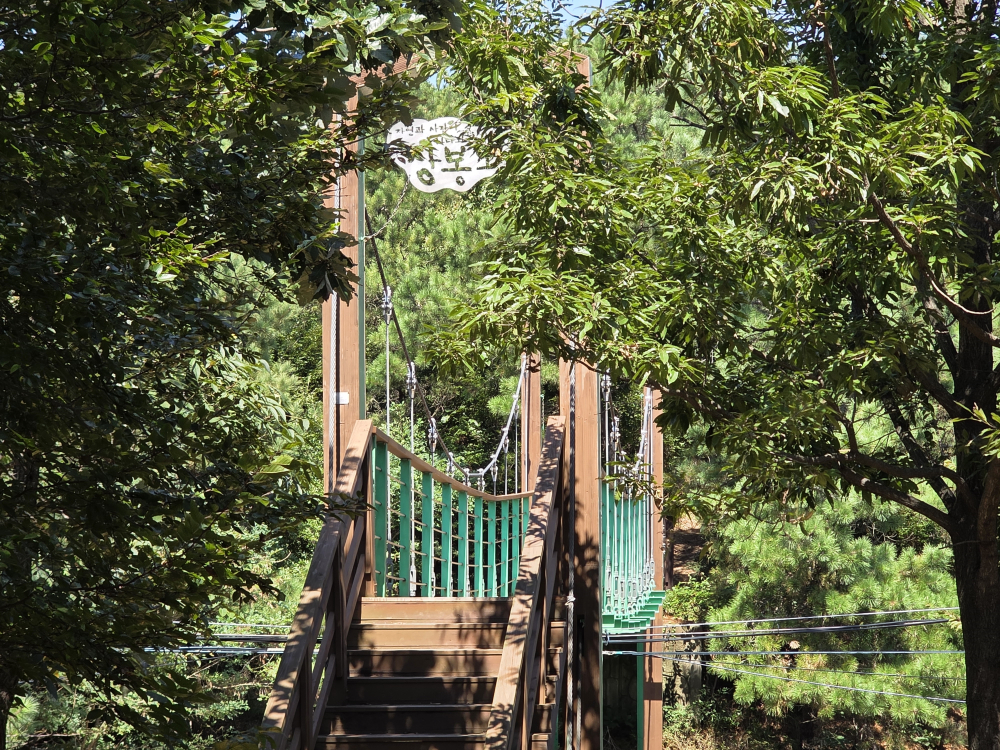
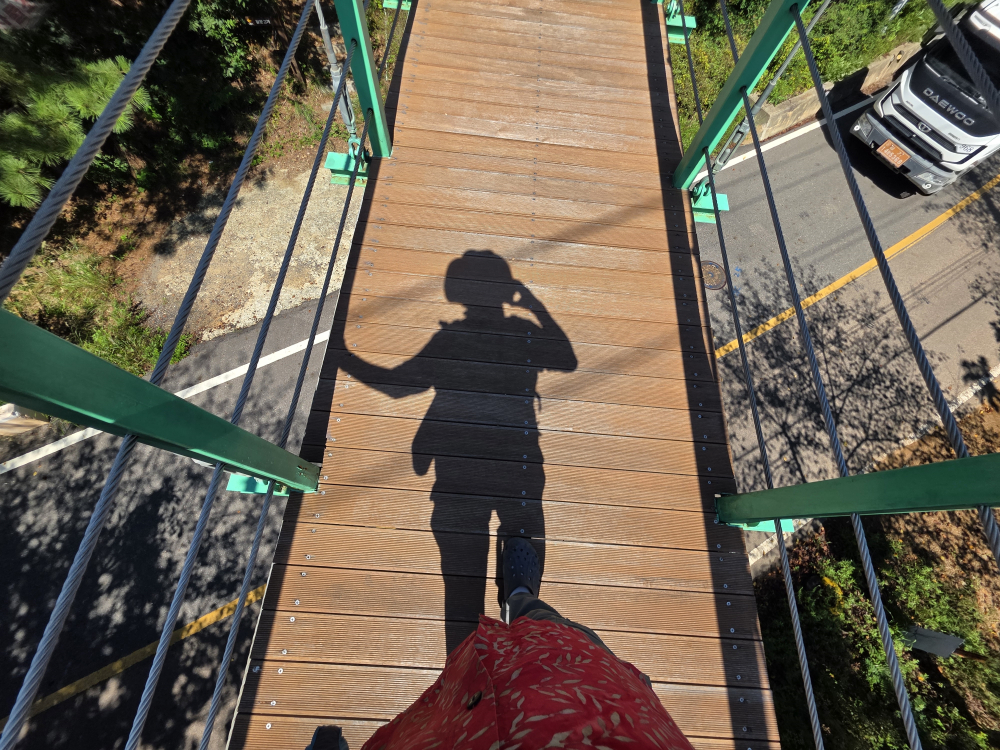
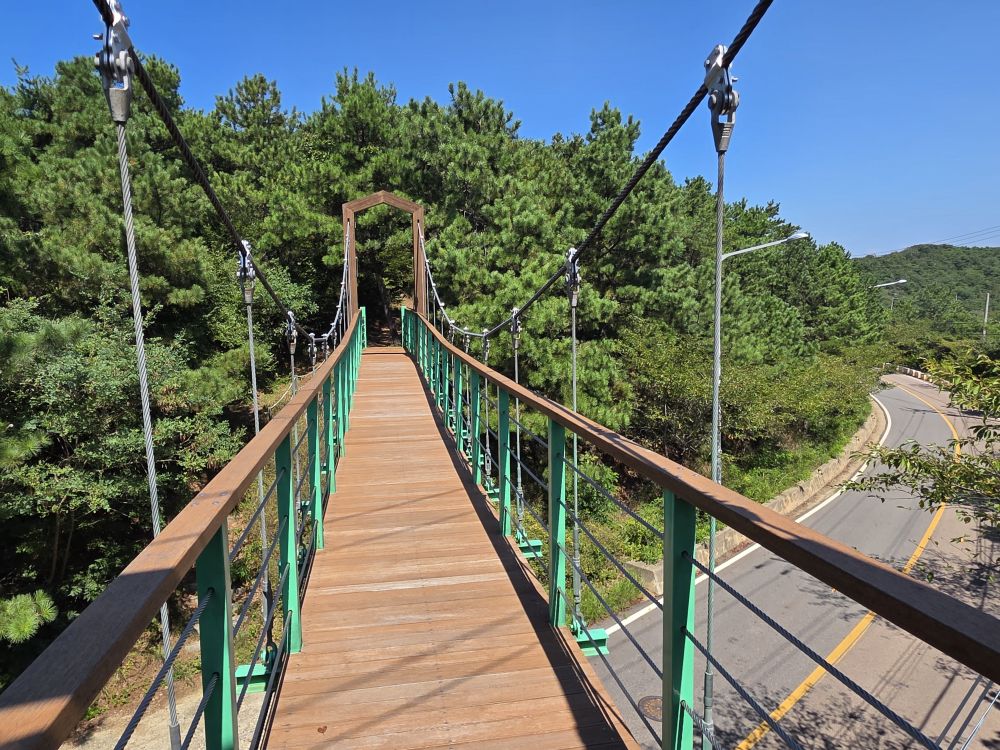
After descending Sangsanbong Peak, the trail briefly passes through a village before climbing back up Geomeojisan Mountain. The signs are well placed and clear, so the route is easy to follow. The mountain trail is even gentler and easier than the one around Sangsanbong Peak. After an easy walk over Geomeojisan Mountain, you arrive at the Cloud Bridge. The bridge crosses over Jangbong-ro, allowing hikers to continue without crossing the road, while its sleek design makes it an attraction in its own right.
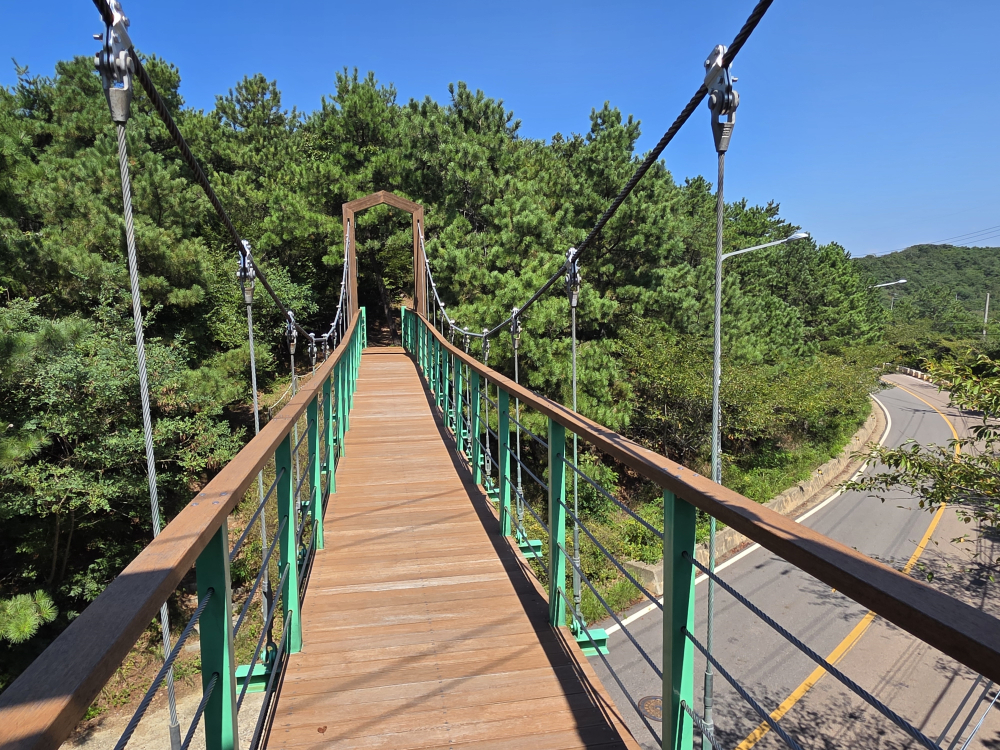
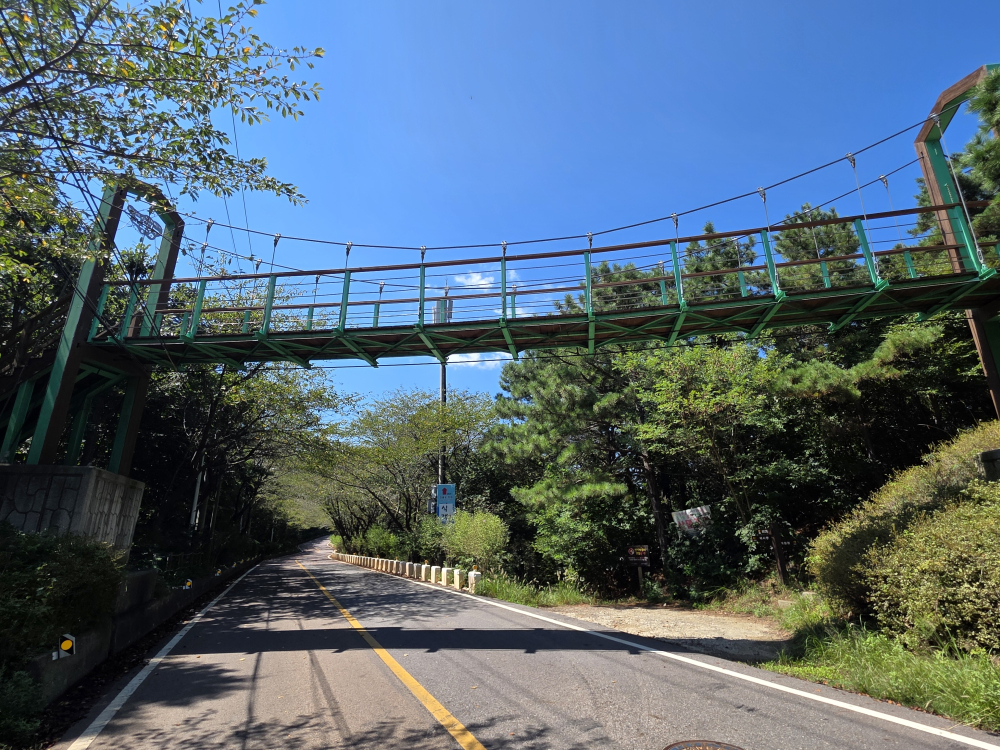
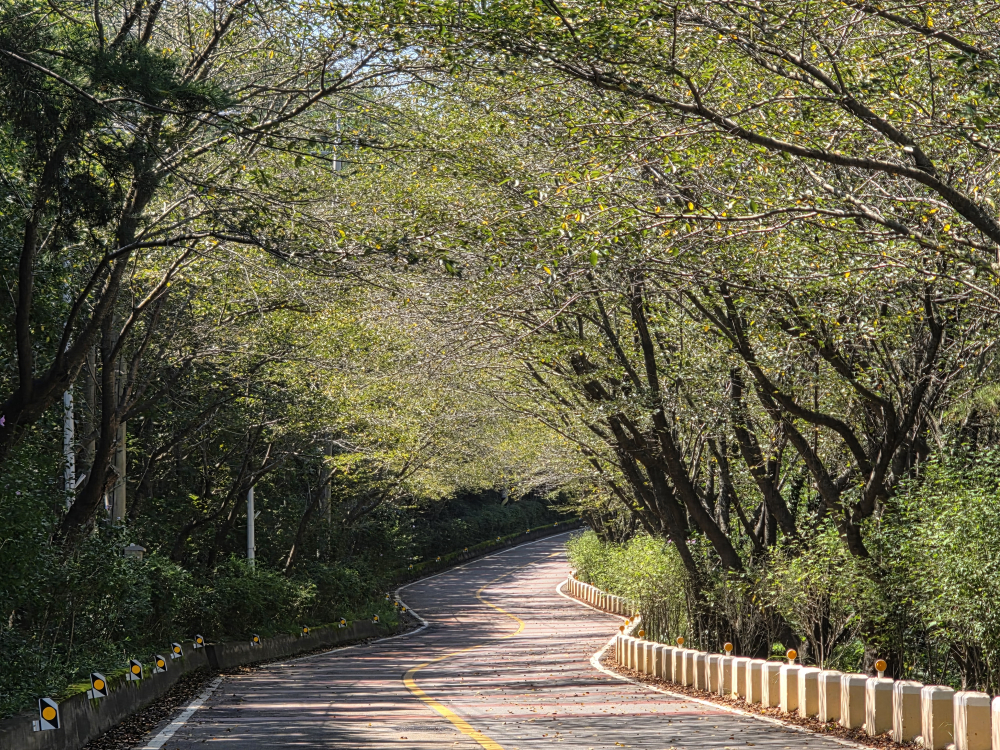
The view from the gently swaying Cloud Bridge is impressive. Below lies a quiet road lined with cherry trees that form a leafy tunnel overhead. Jangbongdo Island is also well known for its cherry blossoms. For approximately 2 km from Ongam Beach to Malmun Pass, the road runs beneath a canopy of cherry blossoms, and a festival is held when the trees are in bloom. Cherry blossoms bloom relatively late on Jangbongdo Island and can usually be enjoyed until around mid-April.
- AddressJangbong-ri, Bukdo-myeon, Ongjin-gun, Incheon
- Inquiries032-899-3570 (Jangbong Branch Office, Bukdo-myeon Office)
- Websitewww.ongjin.go.kr/tour (Ongjin-gun Culture & Tourism)
SPOT5 Jangbongdo Barrier-Free Trail
A convenient forest trail for visitors of all ages
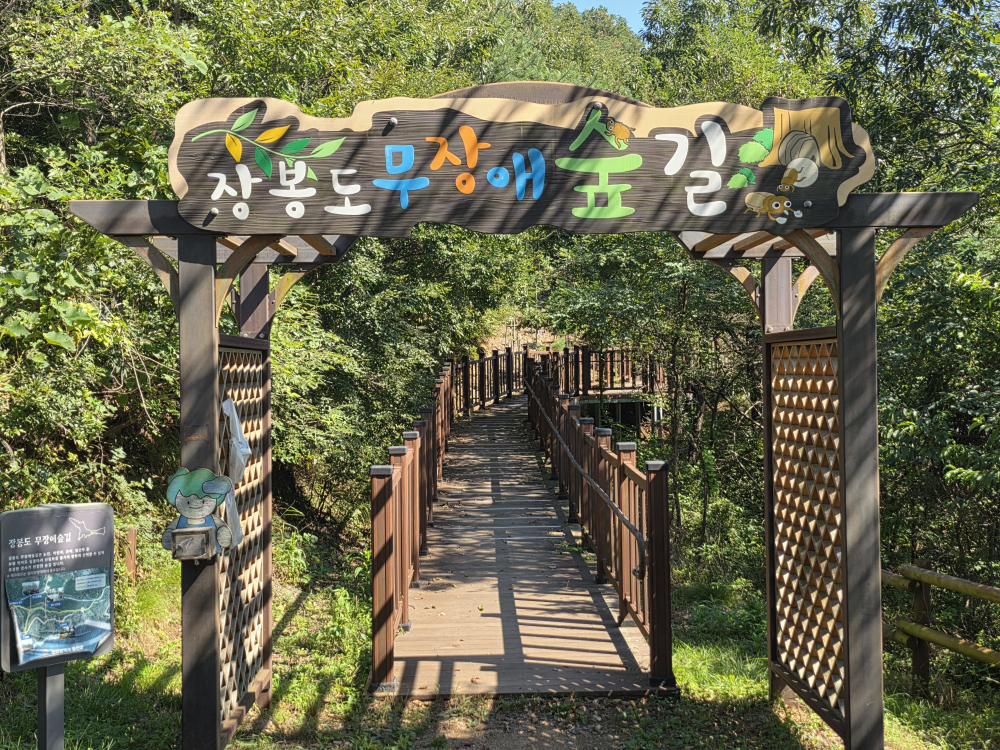
Course 16 of the Incheon Dulle-gil Trail reaches the Cloud Bridge before changing direction and returning to Jangbong Ferry Terminal via Ongam Beach. However, the Jangbongdo Barrier-Free Trail is only about 20 minutes farther from the Cloud Bridge, so I recommend taking a short detour to visit it. It also came highly recommended by Lee Sun-hee, the guide at the tourist information center.
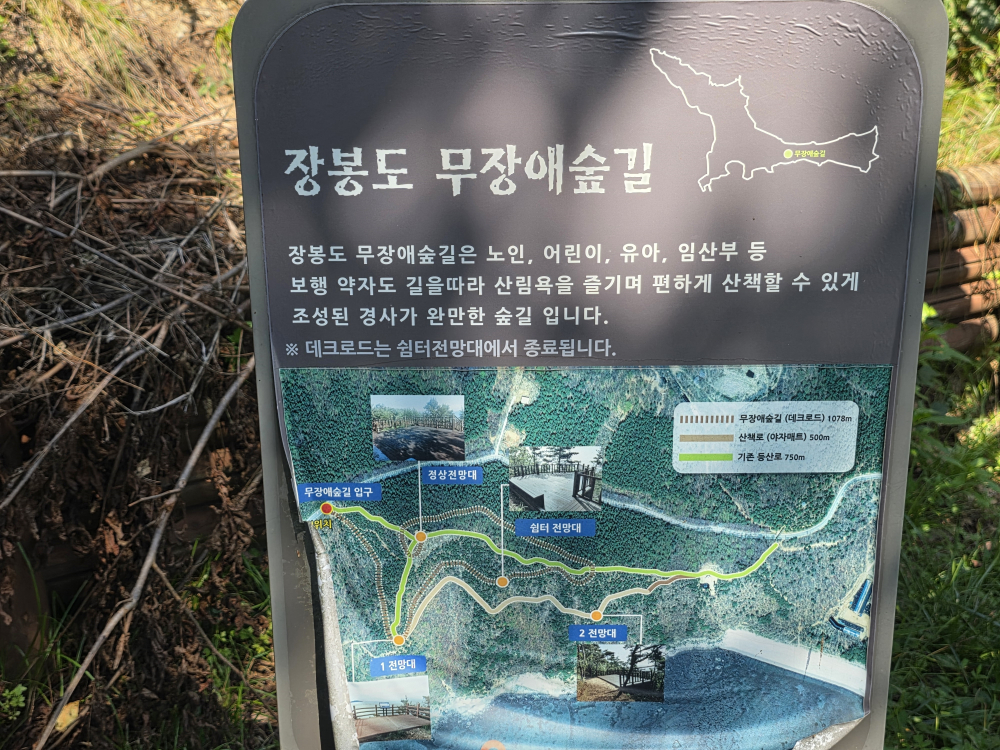
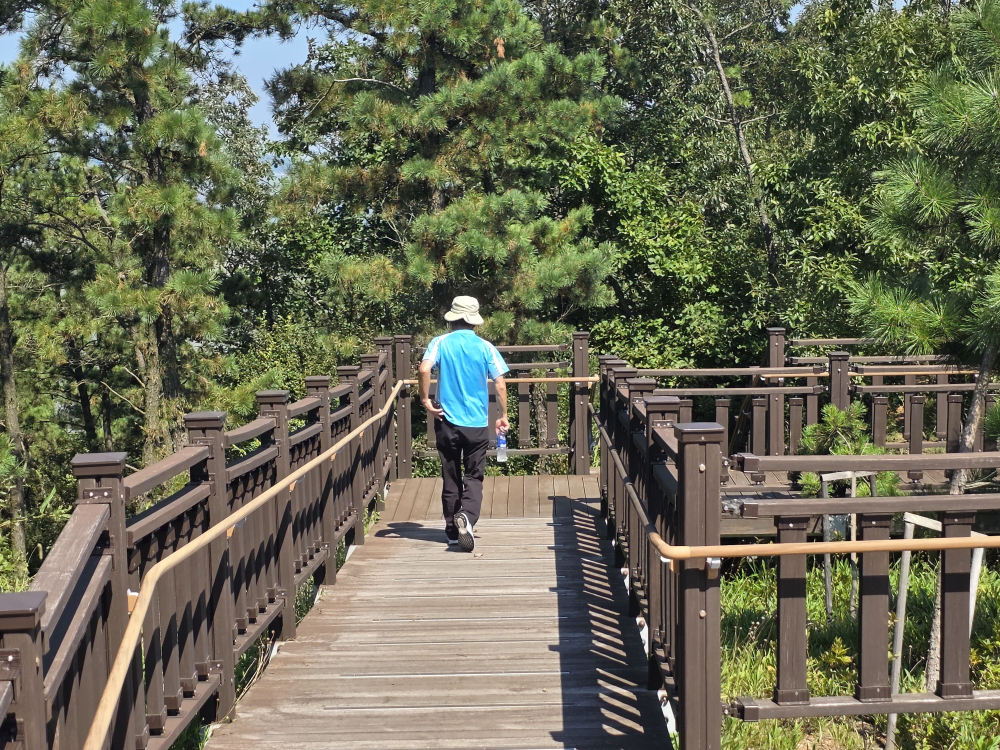
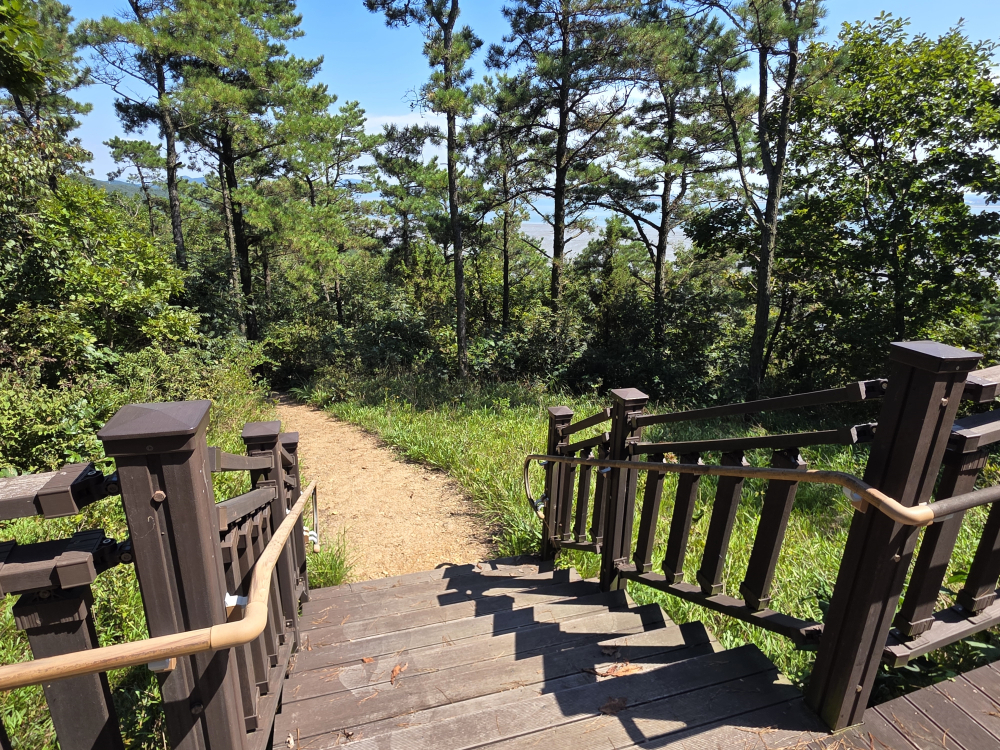
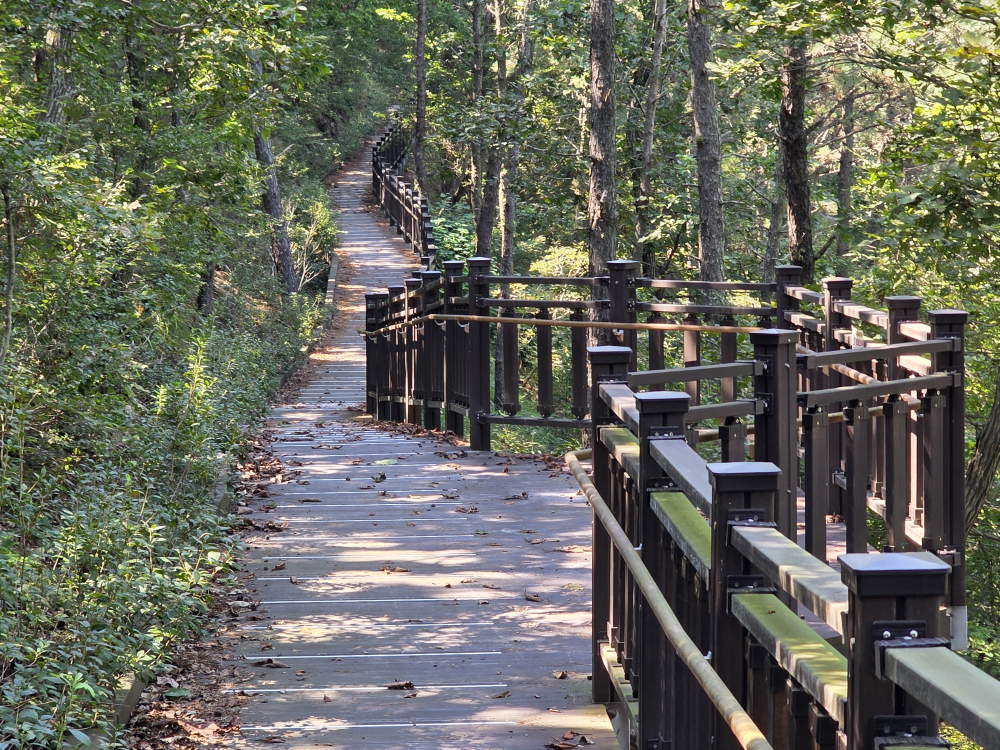
The Barrier-Free Trail stretches for approximately 1 km. An easy-to-walk boardwalk winds through the peaceful forest, creating the feeling of a relaxing forest retreat. Follow this trail, and before you know it, you’ll reach the highest point of the Barrier-Free Trail.
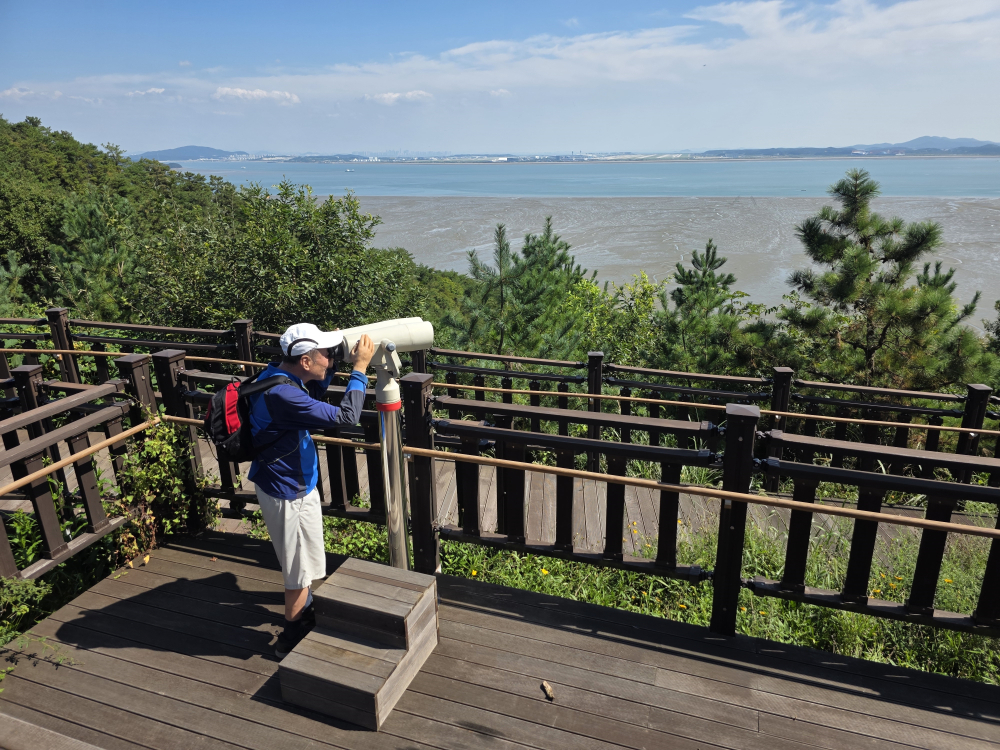
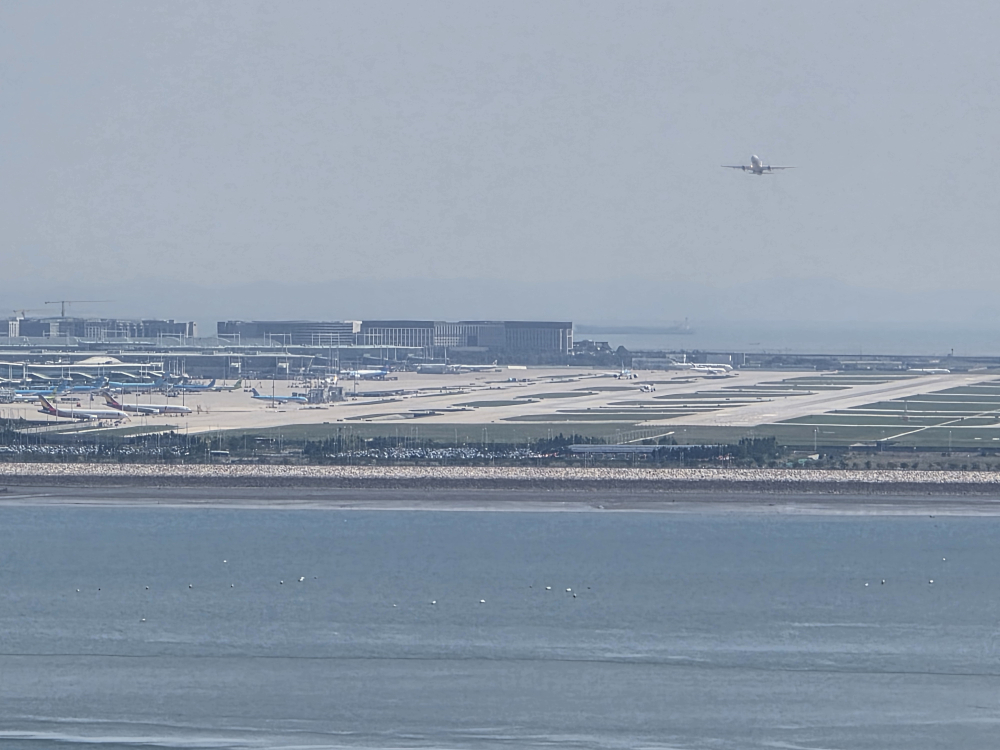
At the top, the view opens up toward Yeongjongdo Island. It could easily be called an observatory for Incheon International Airport. Through the telescope installed there, you can clearly see planes taking off from the airport runway. The planes gradually gain altitude before soaring over Jangbongdo Island. Turn your gaze toward the tidal flats, and you can also see rows of seaweed farms. Seaweed is one of Jangbongdo Island’s local specialties.
- AddressSan59, Jangbong-ri, Bukdo-myeon, Ongjin-gun, Incheon
- Inquiries032-899-3570 (Jangbong Branch Office, Bukdo-myeon Office)
- Websitewww.ongjin.go.kr/tour (Ongjin-gun Culture & Tourism)
SPOT6 Ongam Beach
An ocean-view campground beneath the pine trees
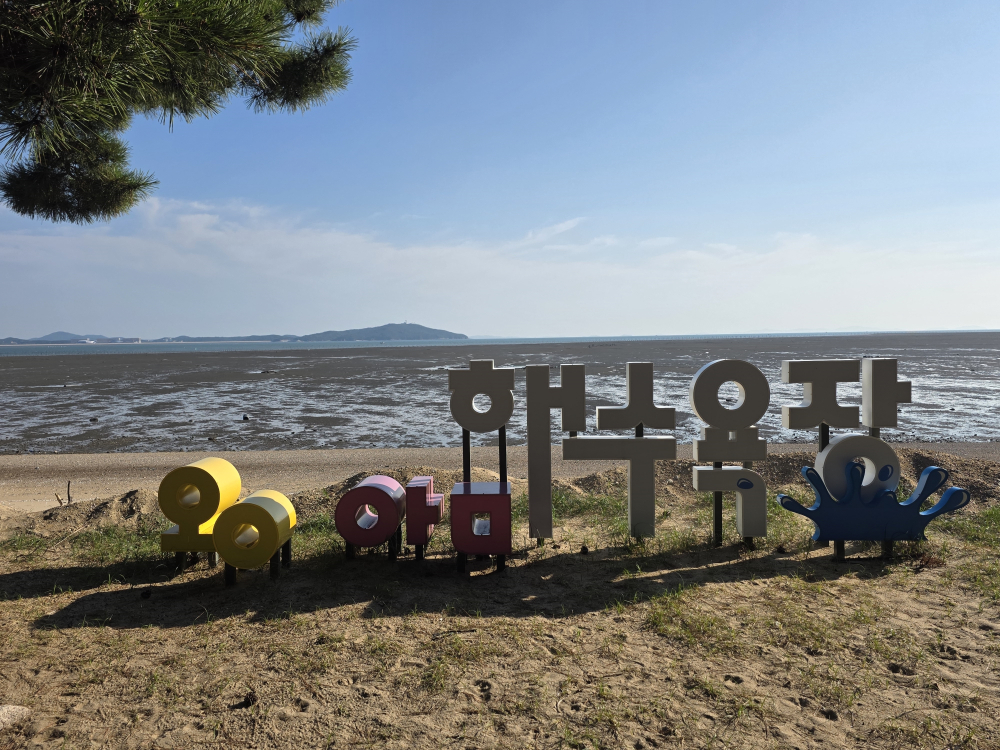
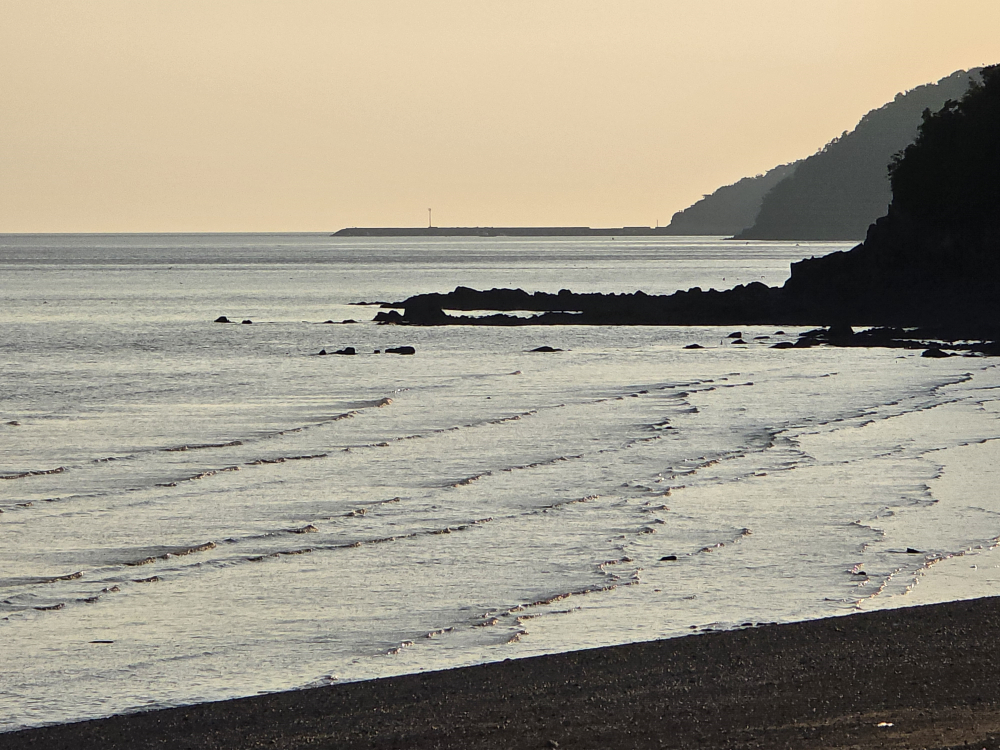
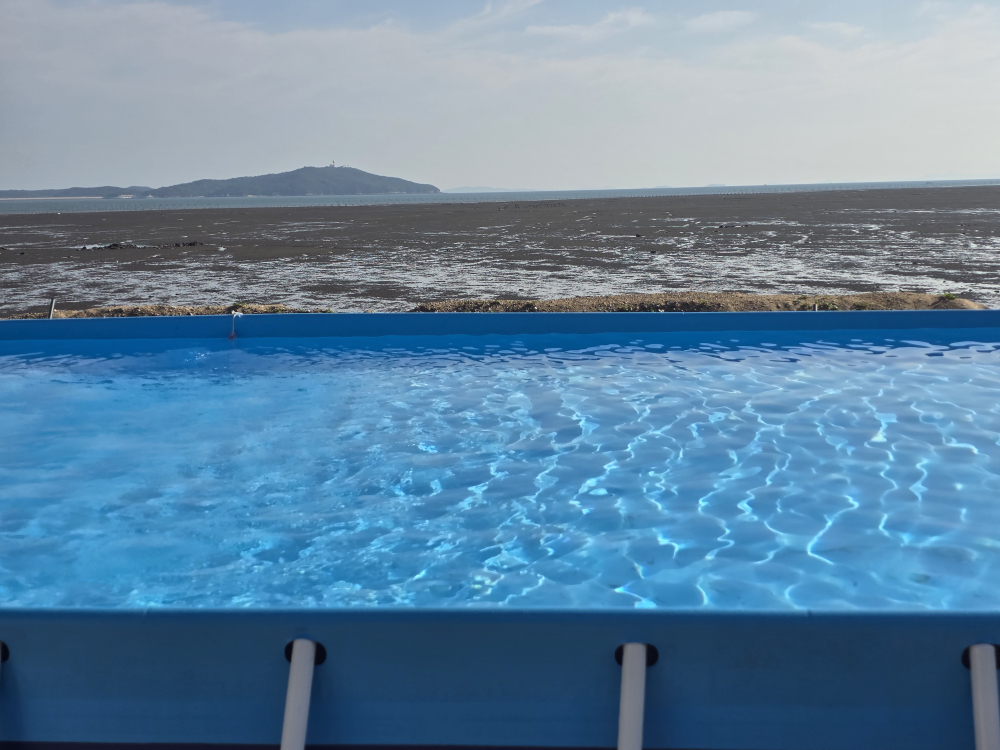
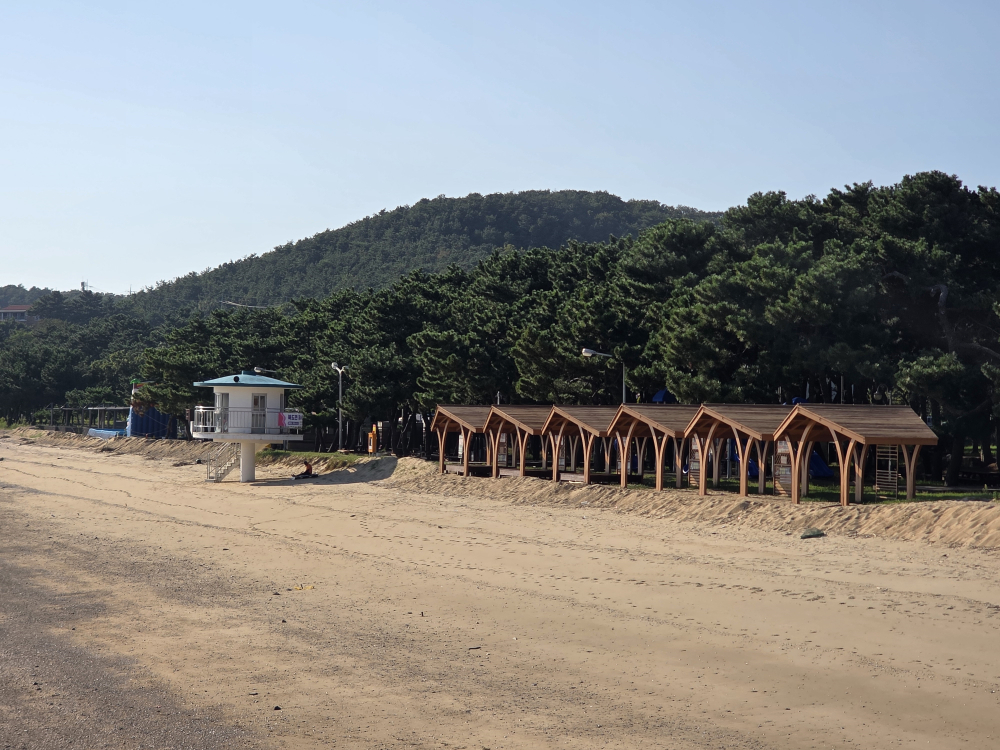
From the Barrier-Free Trail, return to the Cloud Bridge and follow the trail toward Ongam Beach. After about 15 minutes along the forest trail, you arrive at the beach. Stretching for 2 km, the beach has a gentle slope and fine sand. At low tide, the tidal flats beyond the sandy shore are exposed, making it a great place to search for shellfish and other marine life.
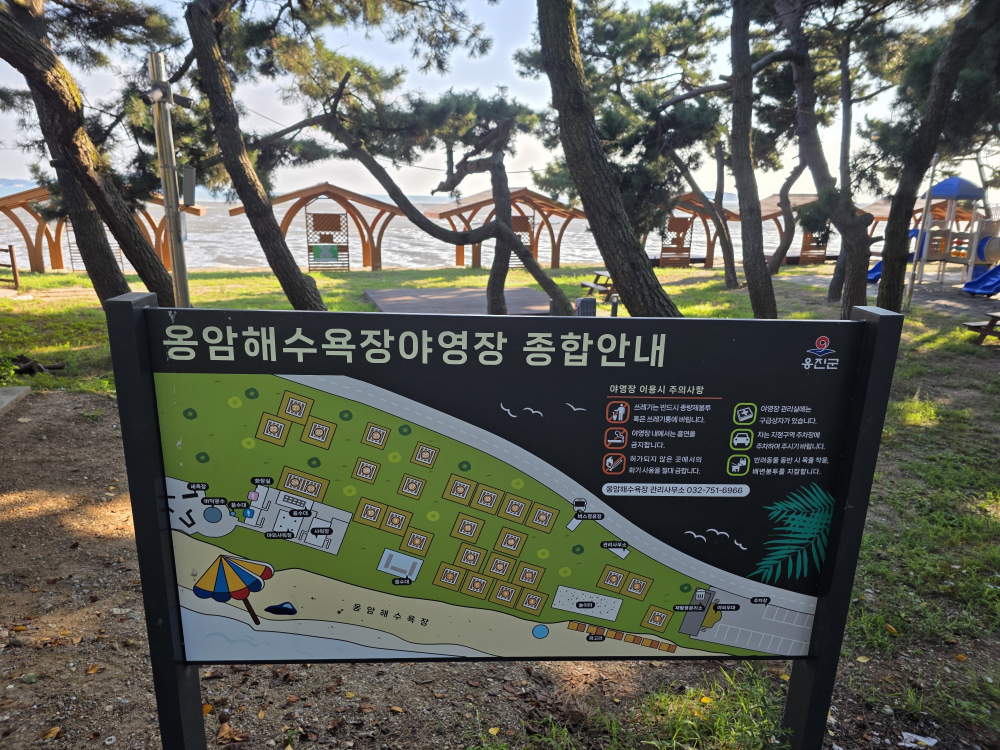
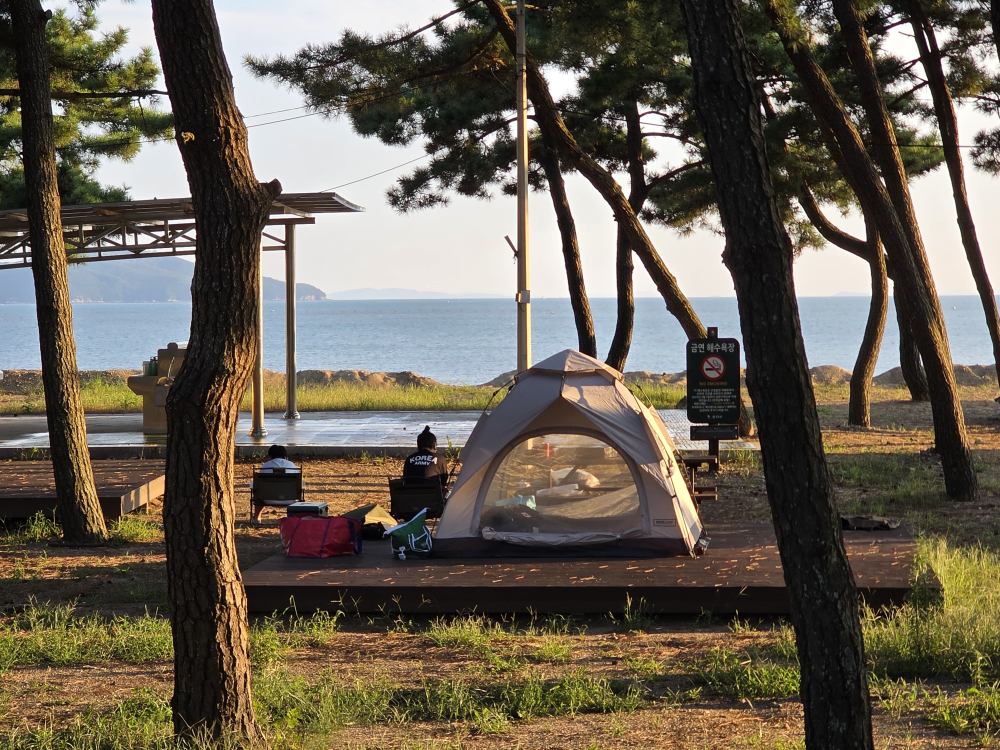
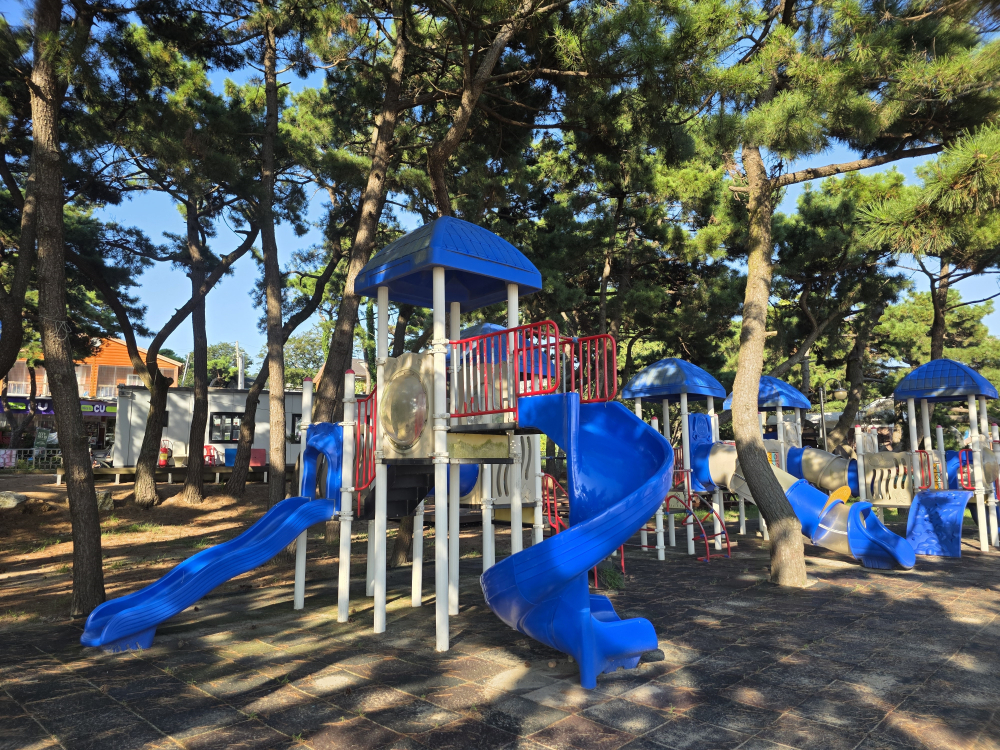
This is one of Jangbongdo Island’s greatest treasures. The beach is lined with a dense grove of towering black pine trees. Locals have turned the area into a campground, with camping decks scattered among the pines. It is rare to find a campground anywhere in Korea with such a wonderful setting. Every camping deck offers a view of the sea. With convenient facilities including restrooms, drinking water stations, and recycling areas, the campground is even known among campers as a “seven-star hotel.”
With Ongam Beach behind us, it is time to return to Jangbong Ferry Terminal. The walk takes about 20 minutes, but since the route follows the road, taking the bus is also a good option. A bus departs from the bus stop in front of the beach at around 35 minutes past the hour.
- Address154-3, Jangbong-ri, Bukdo-myeon, Ongjin-gun, Incheon
- Inquiries032-751-6966 (Ongam Beach Management Office)
- Websitewww.ongjin.go.kr/tour (Ongjin-gun Culture & Tourism)
SPOT7 Bonus Attraction: Sea Cave
A hidden wonder on Jangbongdo Island!
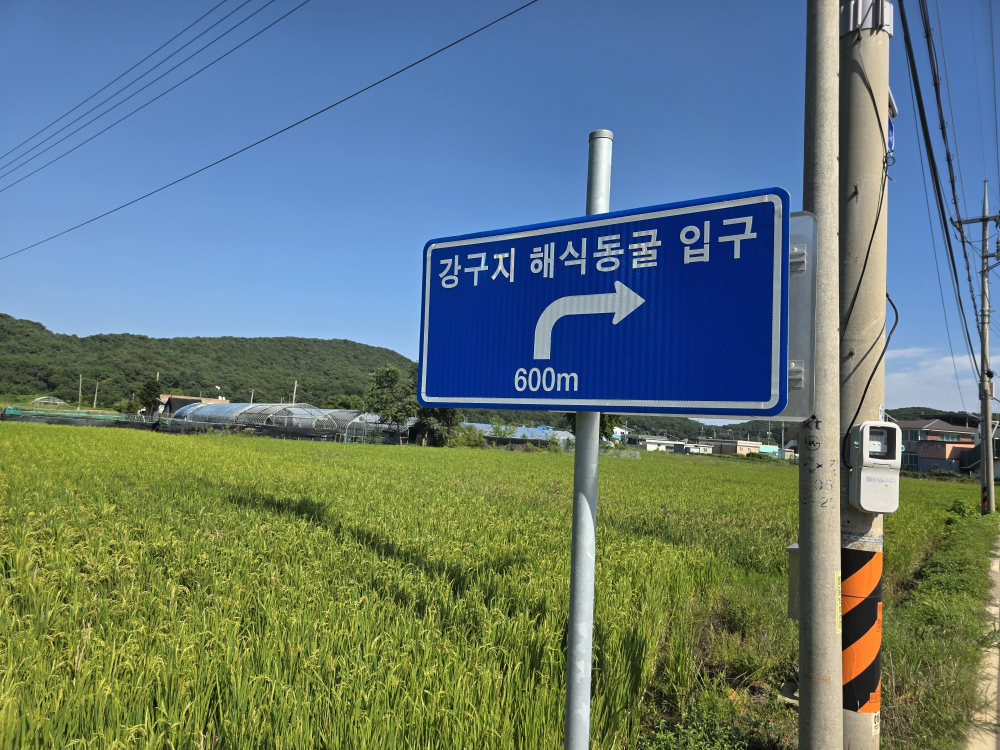
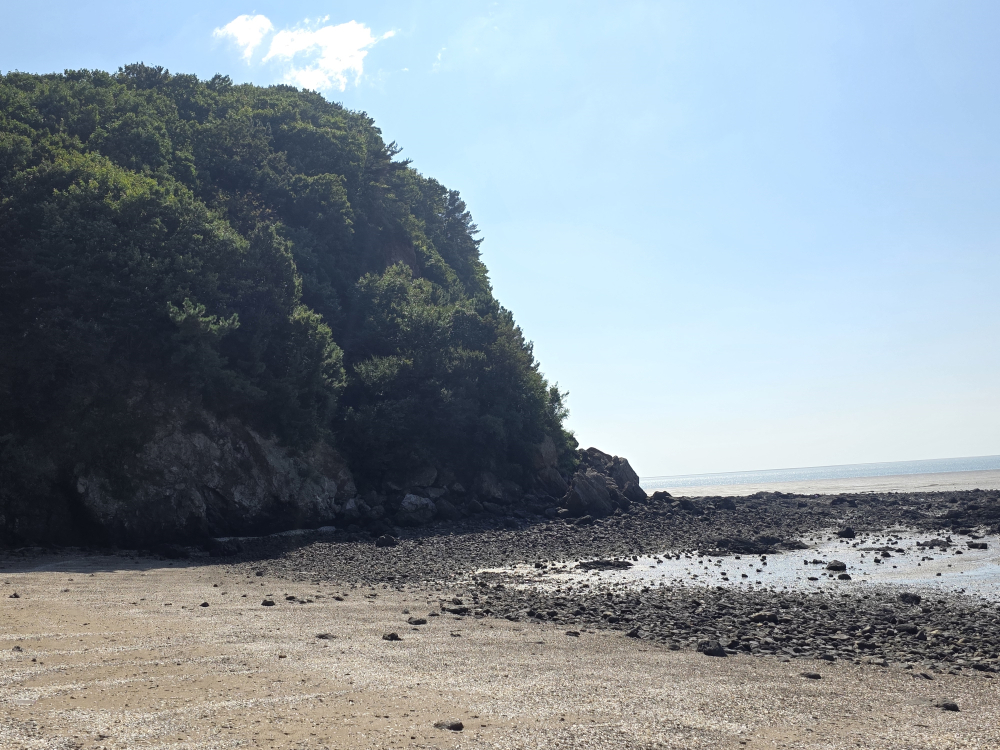
If you have some extra time, a visit to the Sea Cave is also highly recommended. This recently discovered hidden gem is still known to relatively few visitors. You can reach it by taking a bus while exploring the Barrier-Free Trail. From the highest point of the Barrier-Free Trail, walk about 150 m downhill toward Guksabong Peak until you reach the road. Take the bus from there and tell the driver you are going to the Sea Cave. The driver will drop you off just past Jangbong 2-ri. From there, follow the sign reading “Ganguji Sea Cave 600 m.” Once you reach the coast, walk about five minutes to the left to find the cave. For the return trip, you can catch a bus from Jangbong 2-ri.
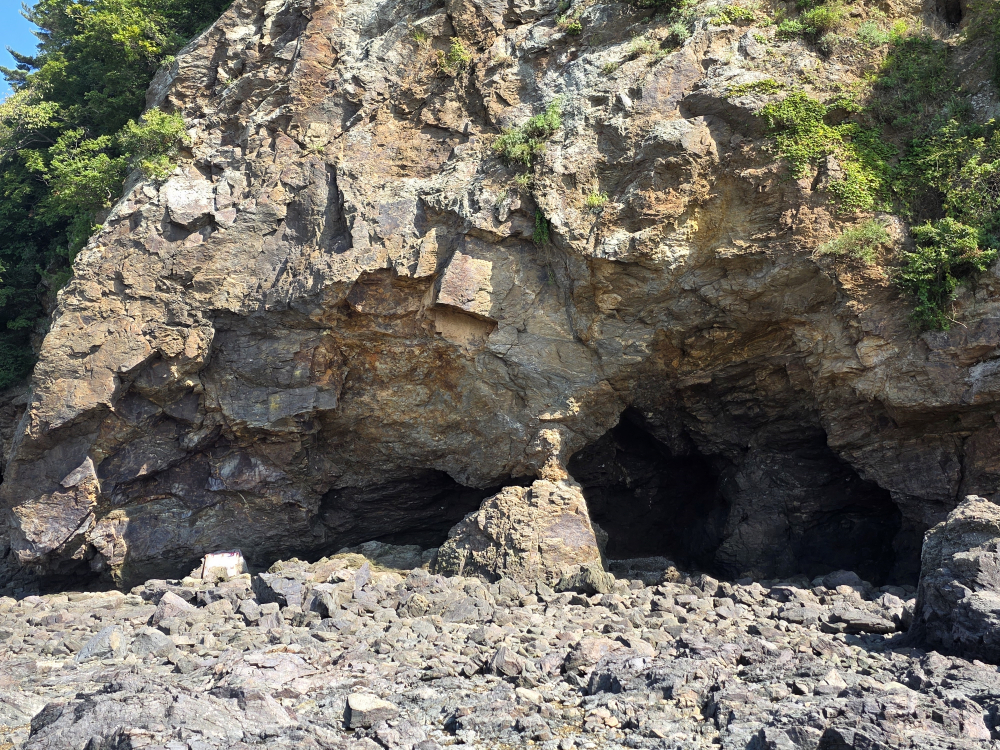
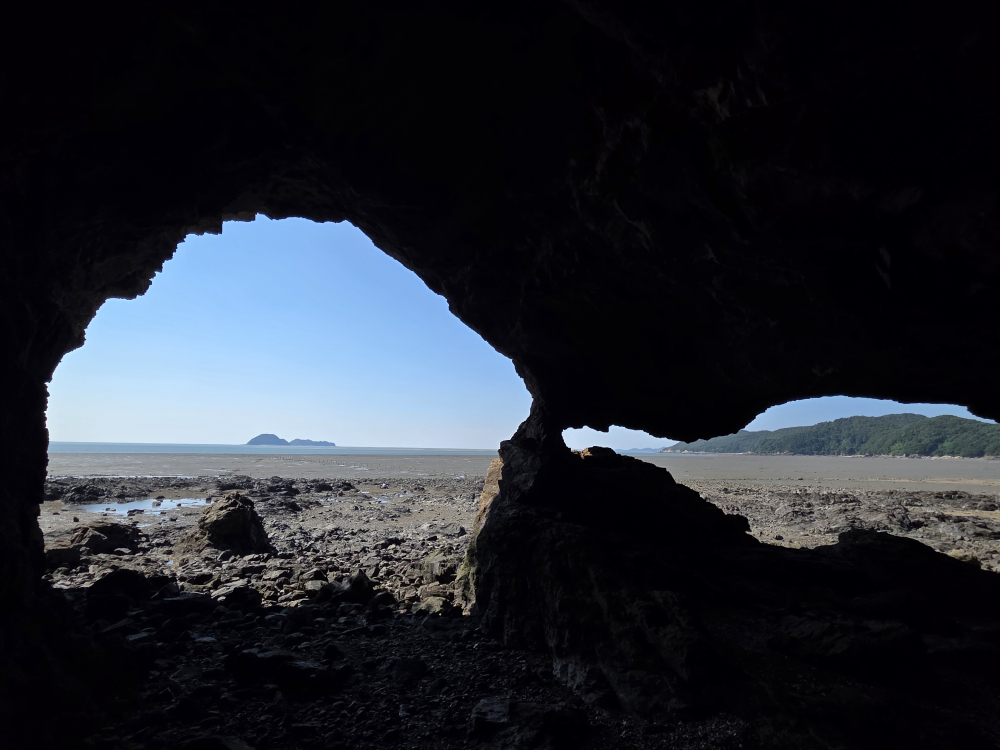
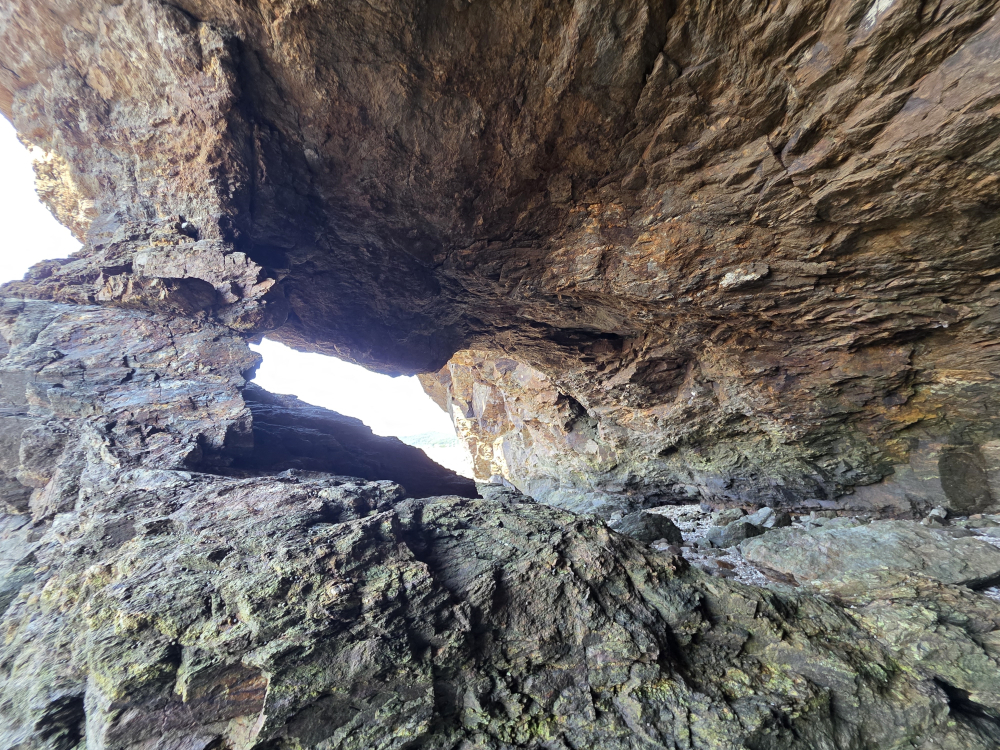
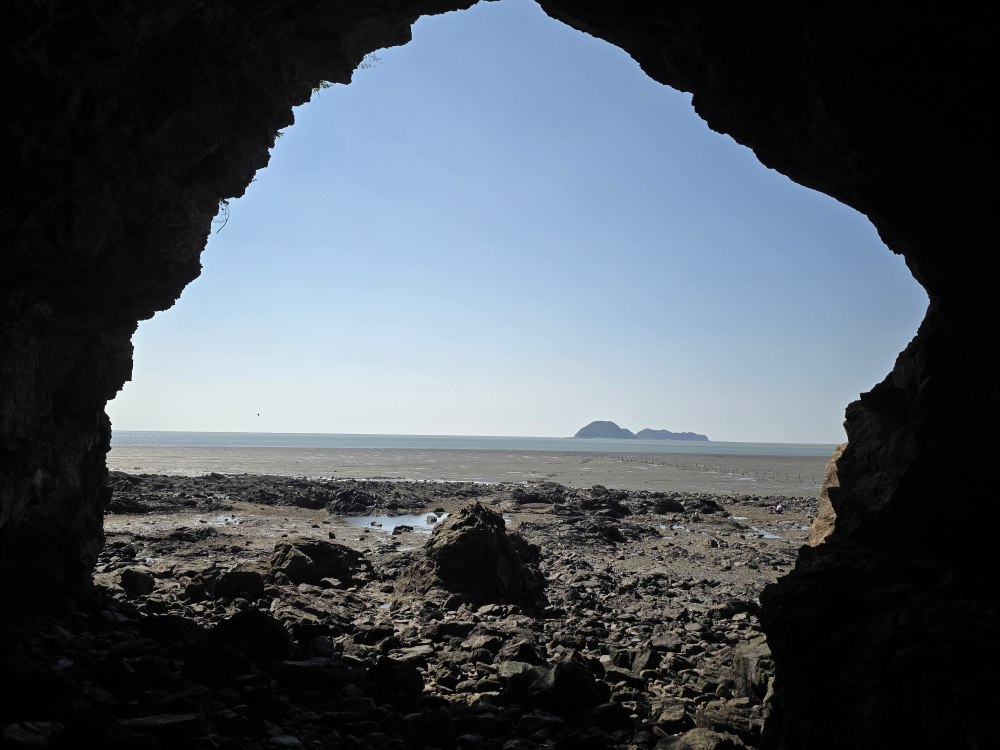
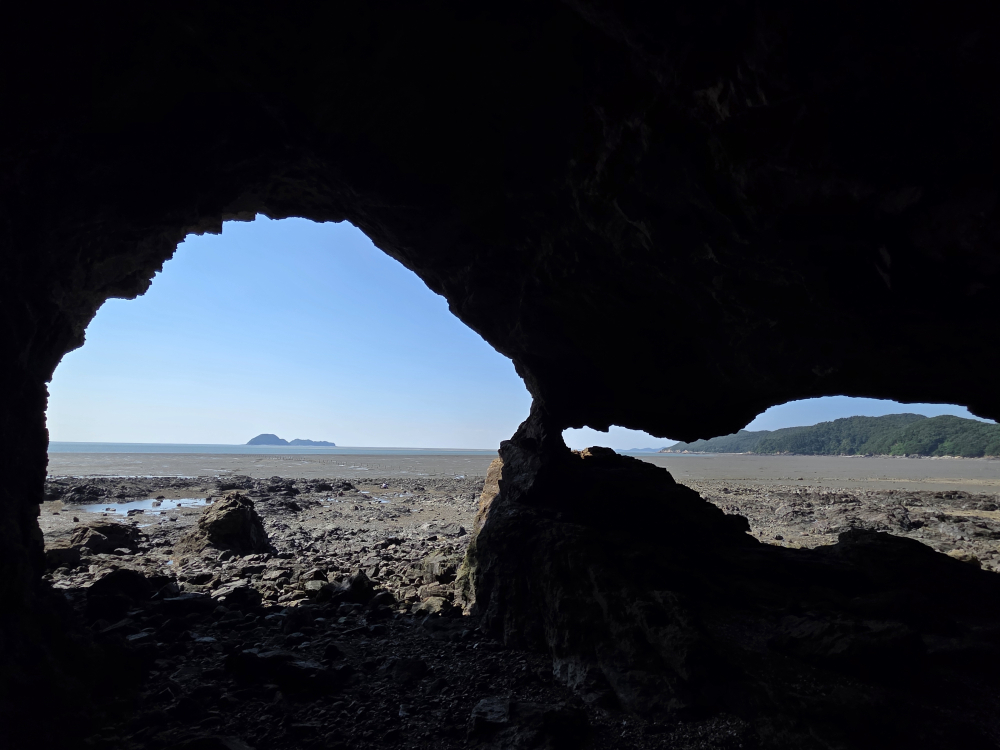
What makes the Jangbongdo Sea Cave unusual is that, unlike most sea caves, it consists of two adjoining caverns. Viewed from the sea, the formation resembles an ancient Greek helmet, with the two openings forming its eyes. From inside, the caves are also said to resemble a dinosaur, which is why the site is sometimes called the “Dinosaur Sea Cave.” Timing your visit with the tides is essential, as the caves can only be explored at low tide.
- AddressSan154-2, Jangbong-ri, Bukdo-myeon, Ongjin-gun, Incheon
- Inquiries032-899-3570 (Jangbong Branch Office, Bukdo-myeon Office)
- Websitewww.ongjin.go.kr/tour (Ongjin-gun Culture & Tourism)
🧗🏻How to Get Around Jangbongdo Island
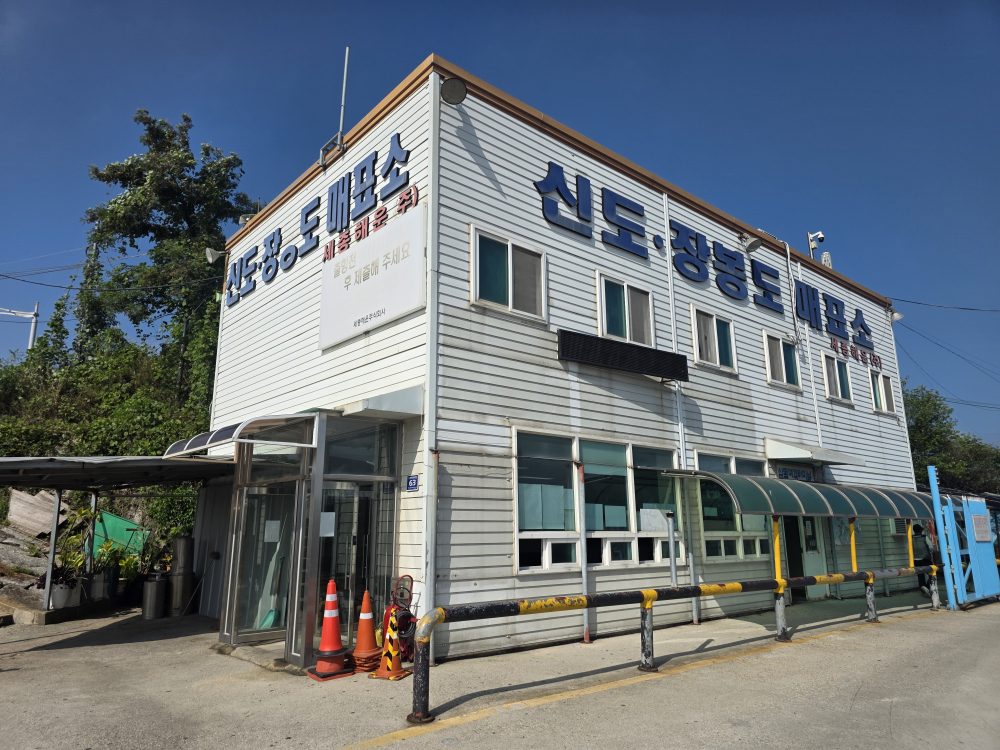
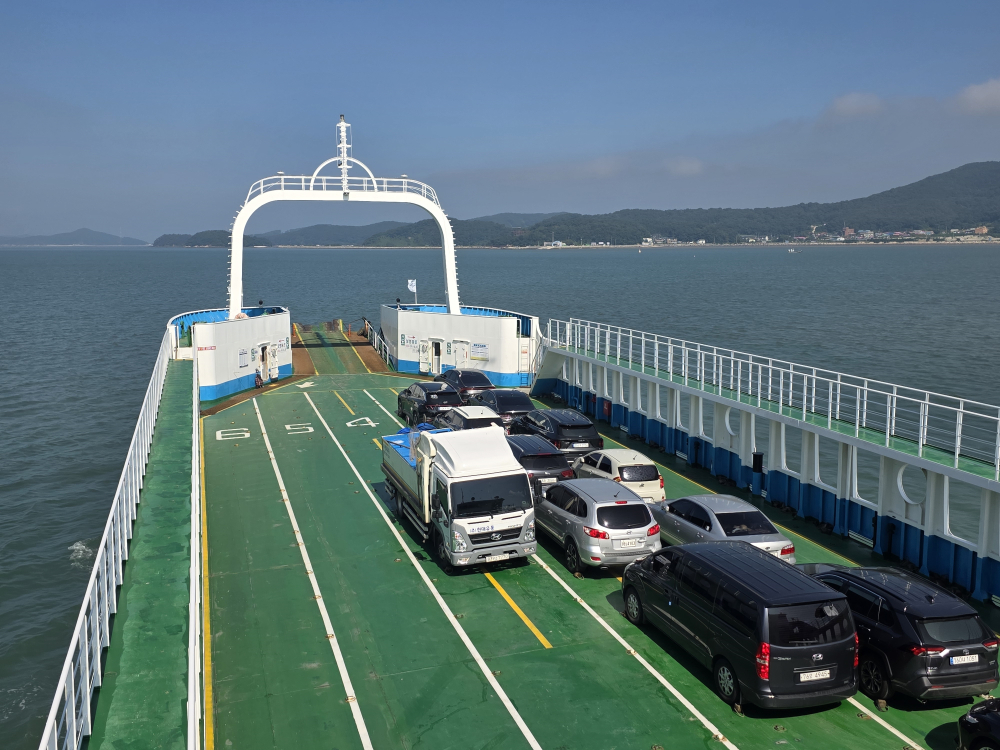
Car ferries bound for Jangbongdo Island depart from Sammok Ferry Terminal on Yeongjongdo Island every hour on the hour from 7:00 to 20:00, while ferries from Jangbong Ferry Terminal to Sammok depart every hour on the hour from 7:00 to 19:00. With frequent ferry services and a journey of just 30 minutes, Jangbongdo Island is ideal for a day trip.
Free parking is available at Sammok Ferry Terminal. Buses to the terminal operate from Incheon Station, Unseo Station, and other locations. Public buses on Jangbongdo Island run at one-hour intervals in coordination with the ferry schedule.
- Sammok Ferry Terminal inquiries: ☎️ 032-751-2211 (Sejong Shipping)
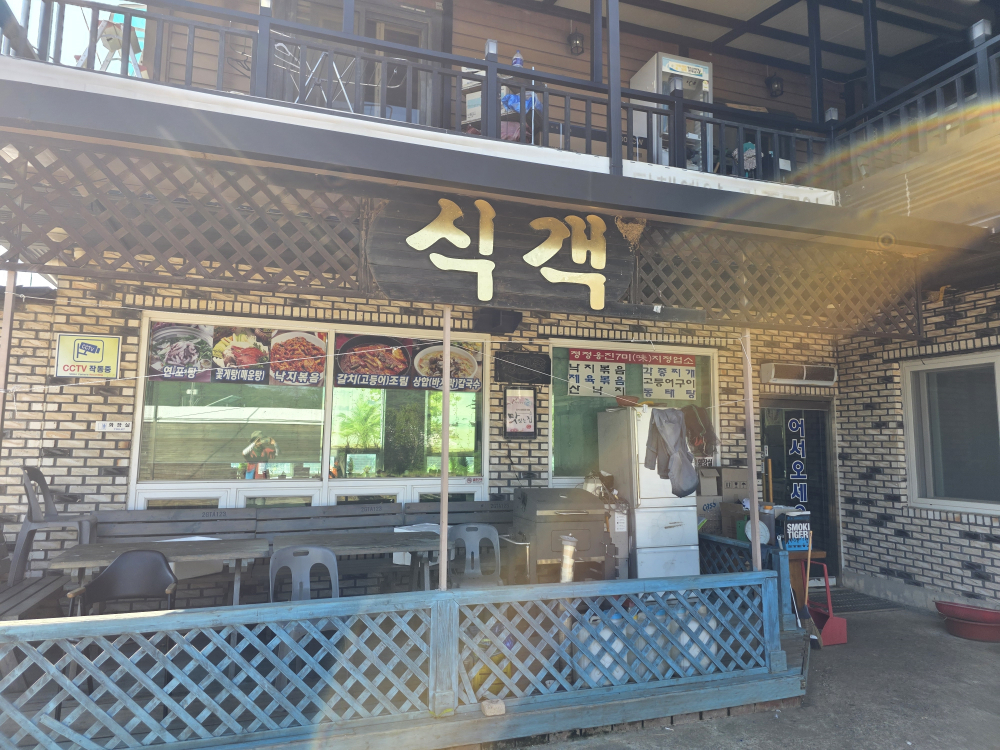
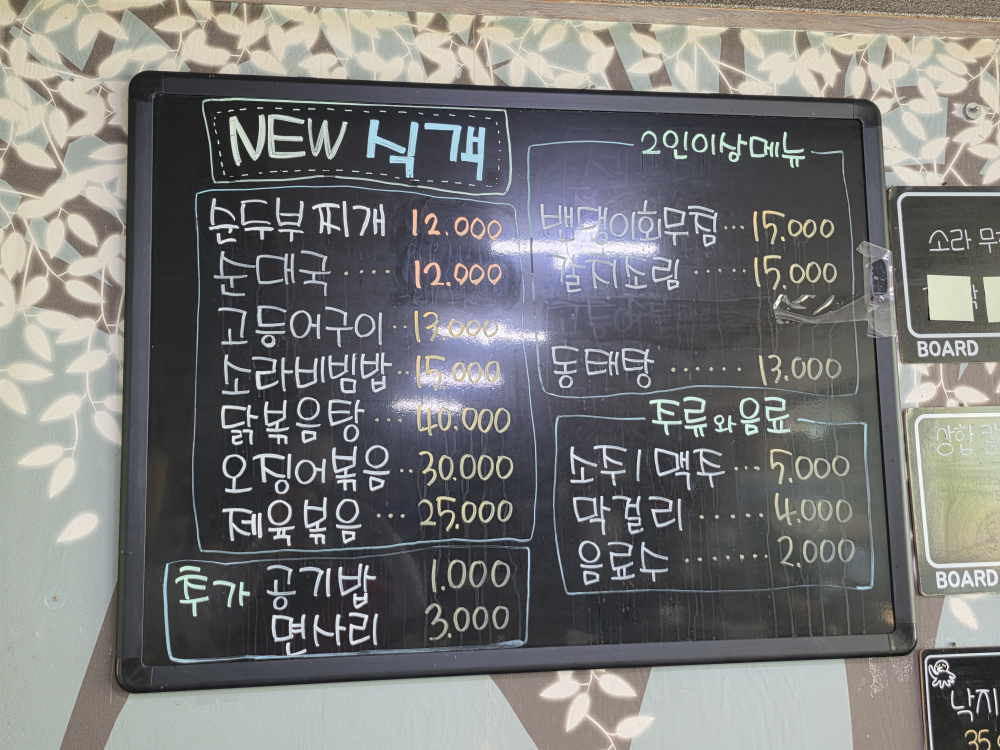
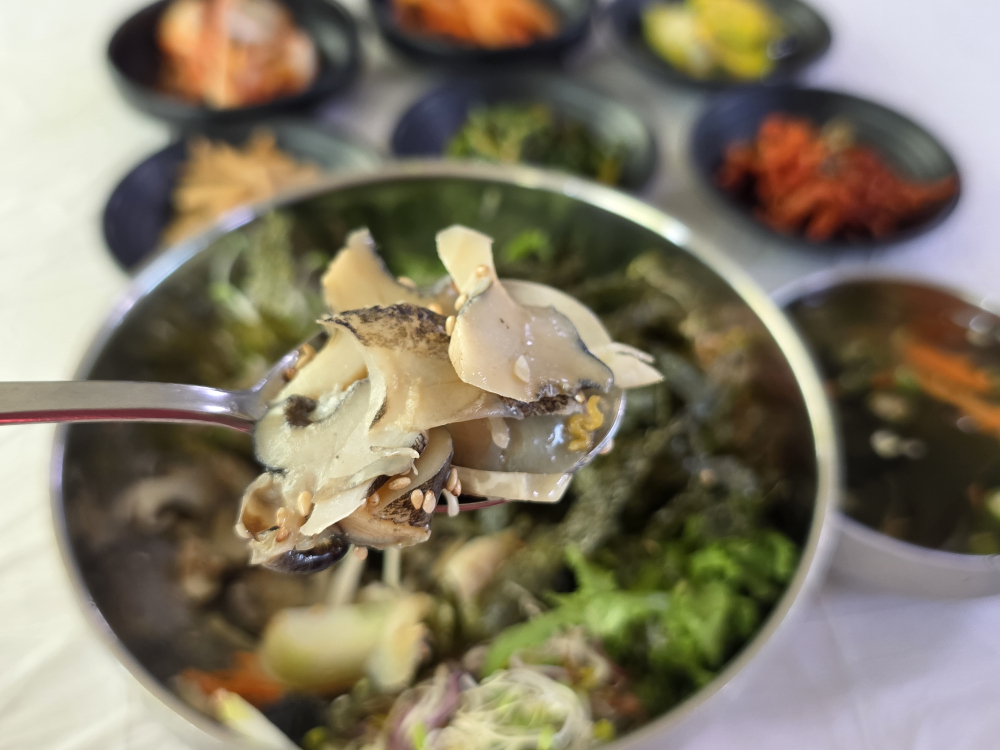
Jangbongdo Island is surrounded by rich tidal flats, home to high-quality hard clams, octopuses, conchs, and other seafood. Sikgaek, a restaurant in Jangbong 2-ri, is known for its generous selection of side dishes made with seasonal ingredients. Its specialties include clam soup, conch bibimbap, and hard clam kalguksu, with combination dishes also available.
- Address: 1F, 10, Jangbong-ro 537beon-gil, Bukdo-myeon, Ongjin-gun, Incheon (Sikgaek)
- Inquiries: 0507-1324-9398
- #Incheon
- #IncheonTour
- #IncheonTravel
- #IncheonTravelItinerary
- #TravelItineraryRecommendations
- #TravelWriter
- #IncheonIslands
- #IslandTravel
- #Jangbongdo
- #Trekking
- #IncheonTrekking
- #IncheonTrekkingCourse
- #IncheonDullegilCourse16
- #JangbongdoTrekking
- #JangbongdoCourse16
- #IncheonDullegil
- #IncheonHikingCourse
- #FallTravelDestinations
- #CarFreeTravel
- #CarFreeTrip

-
- 29 Jeonggak-ro (1138 Guwol-dong), Namdong-gu, Incheon 21554, Korea
- TEL : +82-32-120 / FAX : +82-440-3009
Copyright 2020(c) Incheon Metropolitan City.
All right reserved. -
General Tourism Inquiries
1330 / 032-832-3031 -
ITOUR SNS


